Last updated November 21, 2026
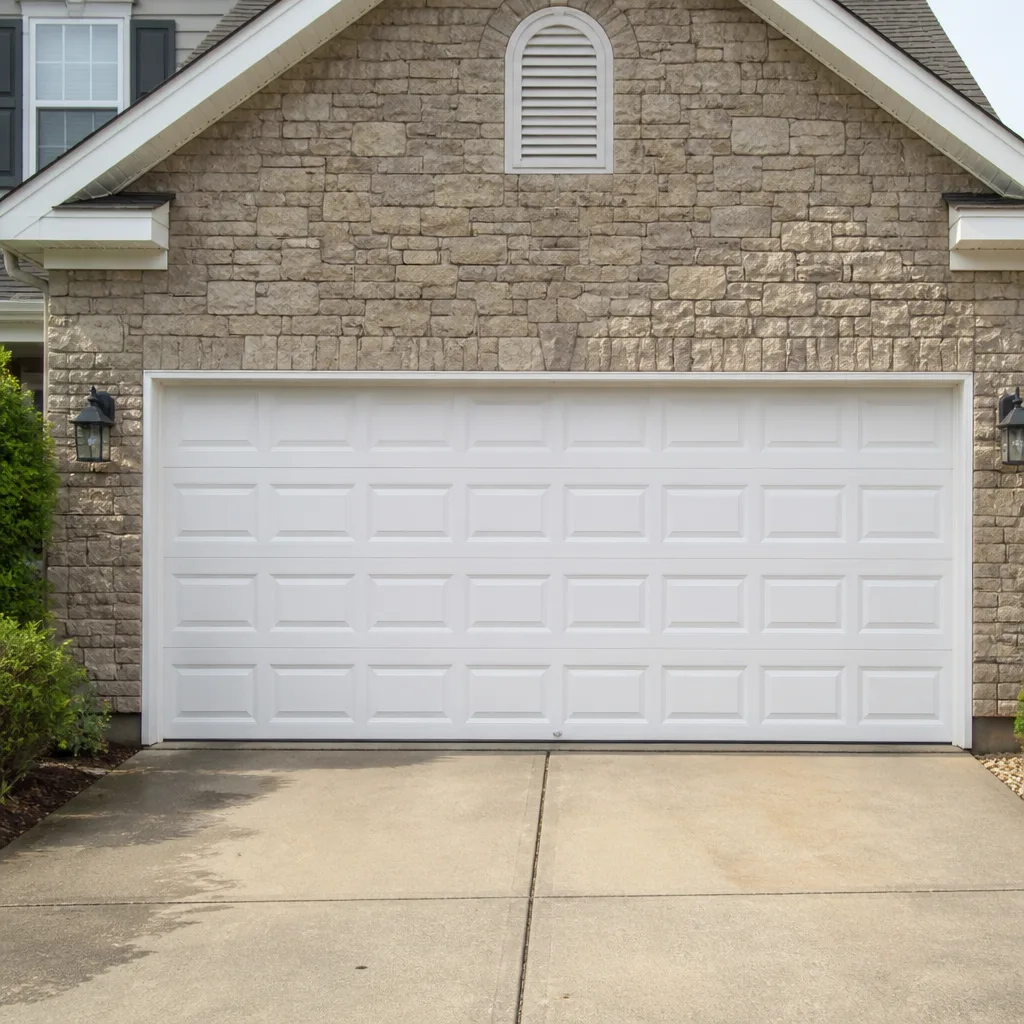 Raised-panel steel
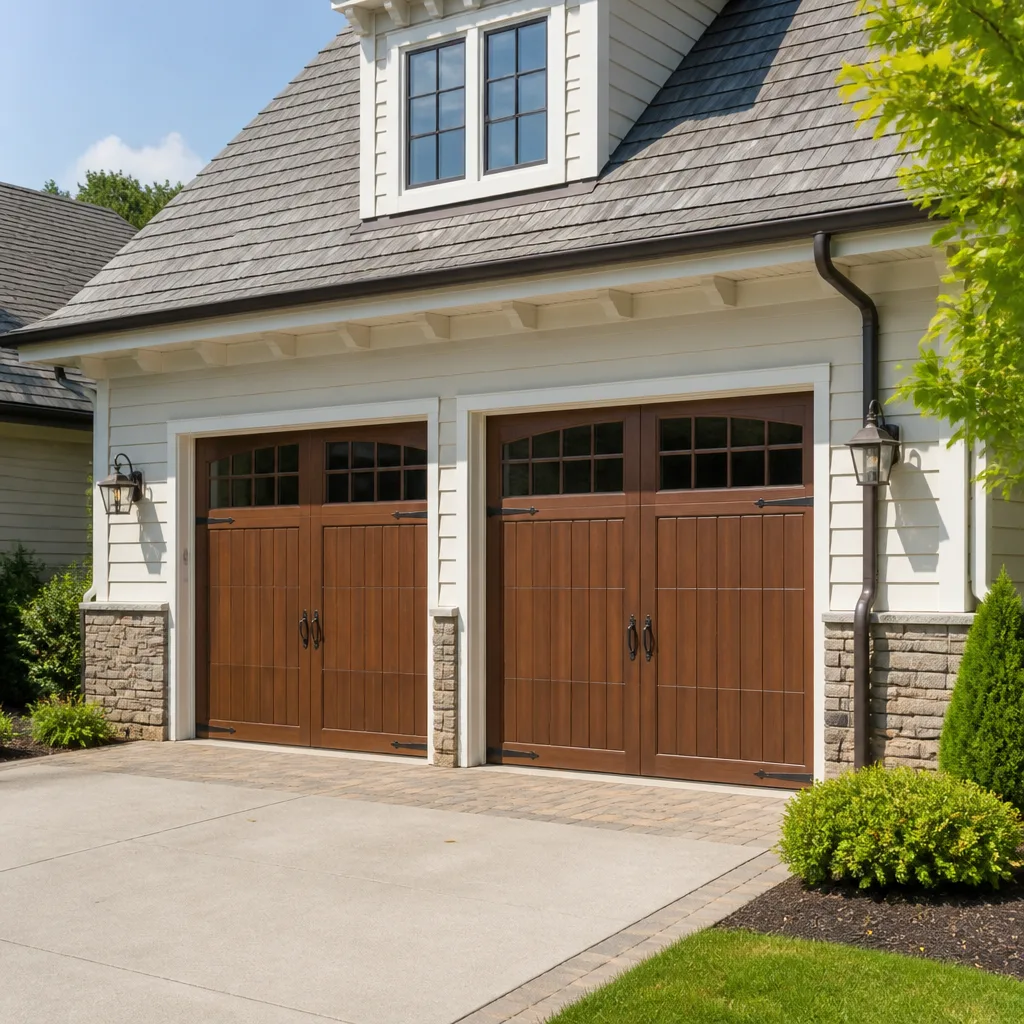 Carriage house
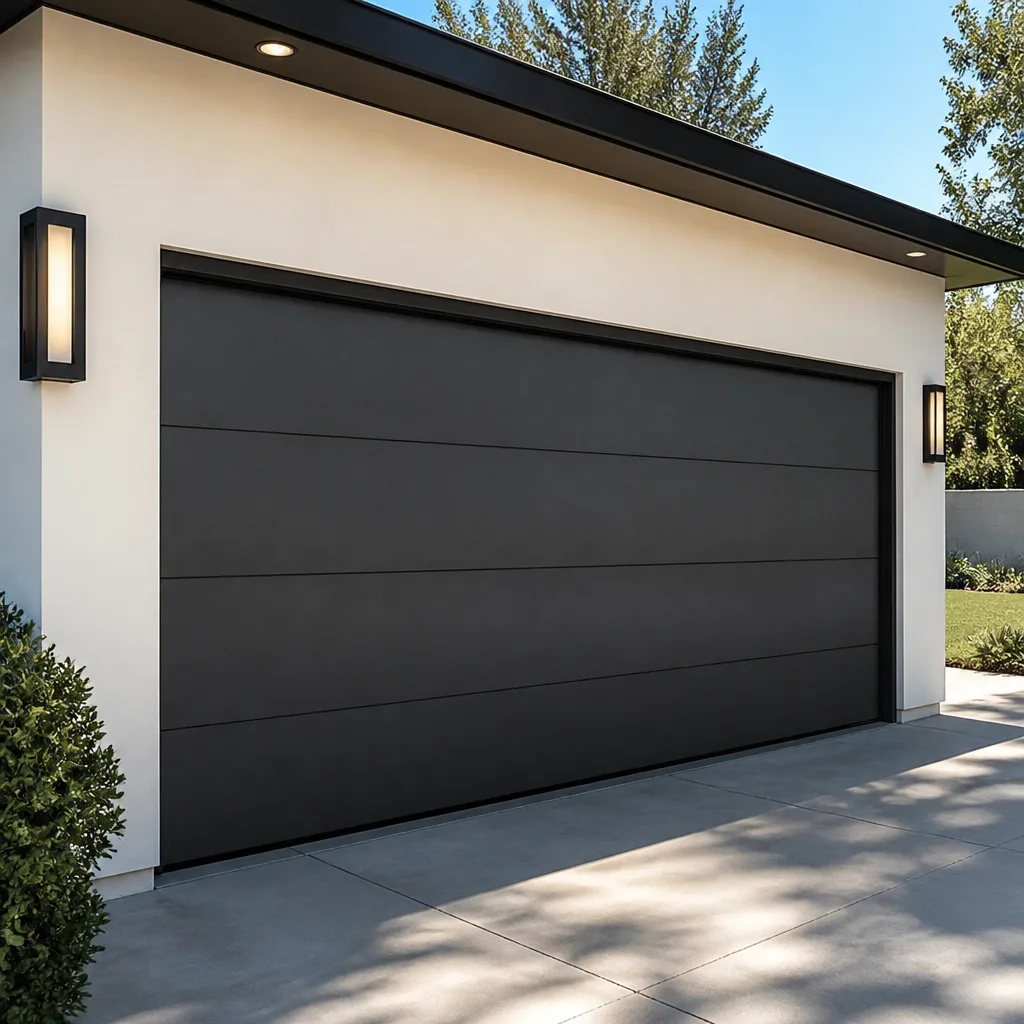 Modern flush
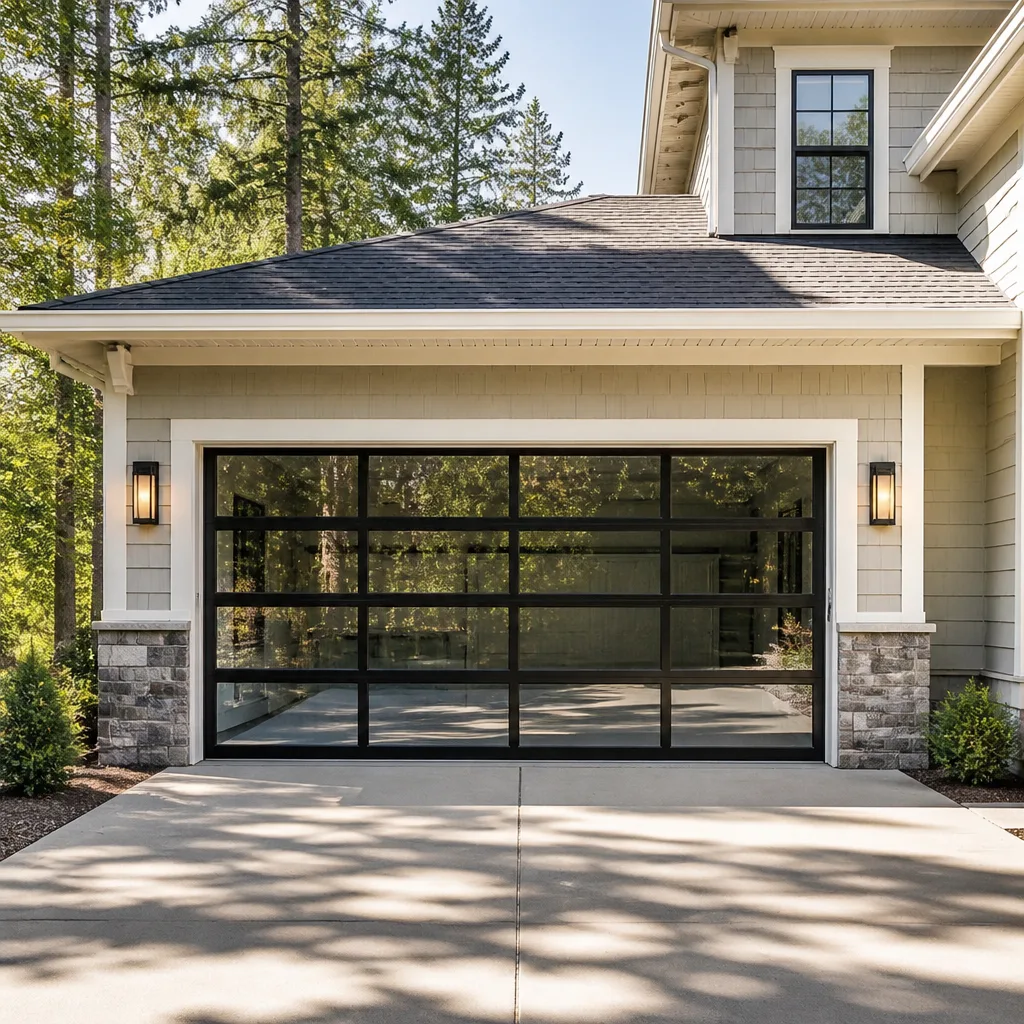 Full-view glass
 LiftMaster openers
 Chamberlain openers
Full 25-point door and opener safety check with every visit - springs, cables, rollers, tracks, and your LiftMaster or Chamberlain opener included
You get a price before we start. It does not change when the pro arrives.
Get your free estimateSeasonal Garage Door Care for Middletown Township: Year-Round Homeowner’s Guide
Spring isn’t when garage doors break in Middletown Township – it’s when you discover what winter already damaged. The failures that strand cars in February were set in motion the previous October, when lubrication dried out, weather seals shrank, and springs were never adjusted for the cold contraction that comes with every Monmouth County winter. A garage door is the largest moving object in most homes here, and it passes through four genuinely different mechanical environments each year. This guide maps the real stress each season places on specific components – springs, hardware, seals, opener logic boards – so you know what to check and when. Instead of a vague “service it twice a year” reminder, you’ll get a working calendar for Middletown Township.
Quick Answer
Seasonal garage door care in Middletown Township means focusing on different components each season rather than treating maintenance as one generic task: in fall you prep springs, lubrication, and seals before temperatures drop below 40°F; in winter you watch for cold-stressed springs and higher opener torque demand; in spring you inspect for rust, winter wear, and bottom seal damage; and in summer you guard against UV degradation of wood and fiberglass panels and heat stress on opener electronics. The single highest-value habits are keeping metal components lubricated before the first freeze and inspecting springs twice – once in October and once in March.
Styles & brands we work with
- Raised-panel steel
- Carriage house
- Modern flush
- Full-view glass
- LiftMaster openers
- Chamberlain openers
Table of Contents
- Fall Prep: What to Do Before Temperatures Drop Below 40°F
- Winter: Why Cold Makes Springs and Openers Work Harder
- Why Garage Doors Fail Most in January
- Spring: The Post-Winter Inspection Sequence
- Summer: UV, Heat, and Opener Electronics
- A Month-by-Month Calendar for Monmouth County
- Common Mistakes to Avoid
- When to Call a Professional
Fall Prep: What to Do Before Temperatures Drop Below 40°F
Fall is the most important maintenance window of the year for a Middletown Township garage door, because almost everything you do now determines how the door behaves in January. Cold does two things to a garage door system at once: it stiffens the metal in torsion springs and rollers, and it increases the effort your opener needs to move the door. Preparing for both before the first hard freeze is the whole game.
Here’s the sequence we recommend, in order:
- Lubricate every moving metal joint. Rollers, hinges, and the torsion bar bearings should get a garage-door-rated lubricant (not WD-40, which is a solvent, not a lubricant). This one task prevents more winter failures than any other.
- Look at the torsion spring closely. Note any gap, discoloration, or sag along the coil. A spring that’s starting to fatigue in October will often finish failing in the cold.
- Inspect the bottom weather seal. A cracked or shrunken seal lets cold air and moisture in, and it’s the first line of defense against snow and drafts. Fall is the right time to replace one, not February.
- Check the balance of the door. Disconnect the opener and lift the door halfway by hand. It should stay put. If it drifts down, the springs are losing tension and should be looked at before winter.
- Test the safety reverse. With the door closing, pass a board under it – the door should reverse. Same test with the photo-eye, blocked by hand.
- Clear the tracks of debris and check alignment. Leaves and grit from a Middletown Township fall yard clean-up get into tracks more than people realize.
The bottom line for fall: lubrication and spring tension are the two things cold weather will punish. Address both now, and you skip most of what January usually throws at a garage door.
Winter: Why Cold Makes Springs and Openers Work Harder
Winter is when a garage door in Middletown Township works against the metal it’s made of. Torsion springs are steel, and steel becomes more brittle and less elastic as temperatures drop. The spring that was doing its job easily in October is now cycling under a stiffer load, and if it was already fatigued, the cold is often the final straw. That’s not a defect – it’s just how the material behaves.
At the same time, your opener is being asked to do more. Cold thickens the lubricant on the rollers, stiffens the seals, and increases friction throughout the track system. Your opener’s motor is generating more torque to move the same door, which is precisely when a motor that was already near its limit – or a logic board that’s been running warm all summer – will finally trip. An opener that worked fine in October can start stalling, reversing unpredictably, or clicking without moving in January.
What to watch for in winter:
- Any new grinding, squealing, or scraping sound when the door moves.
- The door reversing before it fully closes (safety system or torque limit).
- The opener running but the door not moving (possible stripped gear or travel limit).
- Visible gaps around the bottom or sides letting cold air in.
- A door that feels heavier than usual when lifted by hand.
Don’t force a door that’s struggling in the cold. Repeated cycling of a stiff, heavy door accelerates wear on both the springs and the opener. If the door feels wrong, it’s worth a diagnosis rather than another month of use.
Why Garage Doors Fail Most in January
January is the month Middletown Township homeowners call us most, and it’s not bad luck. It’s the intersection of three things that all peak at once: the coldest metal of the year, the highest number of daily open/close cycles (everyone’s driving, everyone’s home, packages are arriving), and a system that has already absorbed three months of cold stress since fall. The failures you see in January were mostly set up in October and November, when the components that would eventually fail were already showing small signs nobody checked for.
In practical terms, the January call usually involves one of these:
- A broken torsion spring. The classic “loud bang from the garage, door won’t lift” failure. A trained technician handles this – torsion springs are under extreme tension and, along with the cables, are the most dangerous part of a garage door. Don’t attempt this yourself.
- An opener that stops responding. Cold-related torque over-demand or a failed logic board or capacitor. See our garage door opener repair page for what’s involved.
- A door that’s off-track or stuck. Often caused by frozen or warped rollers or a track that’s shifted with the freeze-thaw cycle.
- A door that won’t stay closed. Cold-shrunk seals, or a safety reverse sensor knocked out of alignment by debris.
Knowing January is the peak month is useful – it means you can treat late October and early November as your pre-season appointment window, so you’re not stuck waiting when every other Middletown Township homeowner is calling at once.
Spring: The Post-Winter Inspection Sequence
Spring in Middletown Township is when you find out what winter did. The ground thaws, temperatures swing wildly between cold mornings and mild afternoons, and every metal component on the door has just been through its hardest few months. This is the right time for a full inspection – not a spot check. Here’s the sequence:
- Inspect all hardware for rust. Hinges, rollers, track brackets, and the bottom bracket. Surface rust is cosmetic; pitting or flaking on moving parts means replacement.
- Look at the torsion springs again. A spring that made it through winter may still be fatigued. Note any gap in the coil or loss of lift.
- Check the bottom seal and replace if worn. Spring is the correct timing for bottom seal replacement – the seal has just spent the winter compressed against a cold, often wet floor, and a fresh seal will hold up better through the next cold season than one installed in autumn.
- Re-lubricate all moving joints. Winter has dried out whatever you applied in fall.
- Check for water intrusion and drainage at the threshold. Spring rain in Middletown Township often finds its way under a garage door if the slope is off.
- Test the safety reverse and photo-eye. Do it again – winter can knock sensor alignment loose.
Fiberglass and wood doors deserve extra attention in spring – winter moisture hides small cracks that are easier to address before summer heat. Wood panels may hold moisture in spring and then expand under summer sun, which is the cycle that causes most panel warping and finish failures over time.
Summer: UV, Heat, and Opener Electronics
Summer is when the garage door system faces stresses that are easy to overlook. Heat affects two things: the door material and the electronics. On the material side, UV is the main threat. Wood and fiberglass panels degrade under months of summer sun – the finish fades, the wood dries and checks, and fiberglass can chalk. Steel panels fare better, but their paint finish still needs to be intact to prevent rust. Raynor and Clopay doors in particular often show their age first in the panel finish rather than the hardware, so a quick look at the panels in early summer tells you a lot.
On the electronics side, garage attics and garages in Monmouth County get hot in summer, and opener logic boards are sensitive to it. Symptoms include intermittent opener operation, phantom opening and closing, or an opener that works in the morning but fails in the afternoon heat. If your opener is behaving strangely only on hot days, heat is the likely cause. Ventilation helps – a garage door with a vented top panel, or just keeping the garage door cracked during the day, reduces the temperature the opener’s housing sits at. A garage door repair visit is worth it if the behavior persists, since intermittent opener faults can also come from loosening wiring or a failing board rather than heat alone.
Summer also brings storm season. High winds and fallen branches are a common cause of off-track doors and dented panels in this region. Do a quick visual check of the tracks and the door alignment after any significant storm.
A Month-by-Month Calendar for Monmouth County
Monmouth County’s climate sits in a zone with genuinely distinct seasons – cold winters with hard freezes, warm humid summers, and a real spring thaw. That means a maintenance calendar here looks different than it would in a milder climate. Here’s what we recommend, tailored to Middletown Township:
- September: Full clean of tracks and rollers; start planning fall maintenance.
- October: The most important maintenance month. Lubricate all moving metal, inspect springs and bottom seal, check the balance of the door, and test the safety reverse. This is your pre-winter tune-up.
- November: Address anything found in October (springs, seals, opener wear) before the first hard freeze. Clear the track area of leaf debris.
- December: Light months for maintenance. Watch for the first cold-weather symptoms – new noises, opener hesitation, frozen seals.
- January: The highest-risk month. Expect spring and opener issues to surface. Don’t force a struggling door.
- February: Watch for the same; a mid-winter re-lubrication of the rollers and hinges on a mild day helps.
- March: Full spring inspection sequence – hardware rust, springs, bottom seal, water intrusion.
- April: Replace a worn bottom seal; re-lubricate; test safety reverse and photo-eye; check for storm damage.
- May: Inspect panel finish for UV wear; touch up paint on steel doors; check opener behavior as garage temperatures rise.
- June: Watch for heat-related opener faults; keep the garage ventilated where possible.
- July: Post-storm checks; look at wood or fiberglass panels for fading or checking.
- August: Same as July, plus check fire door hardware and bottom seal again before fall.
You don’t need to do everything every month. The two anchor months are October and March – get those right and the rest is minor upkeep.
Common Mistakes to Avoid
- Using oil-based or generic lubricants on the tracks. Tracks should be kept clean and dry, not greasy – grease attracts grit and thickens in the cold. Lubricant belongs on the rollers, hinges, and torsion bar bearings, not the tracks themselves.
- Adjusting torsion springs yourself. Torsion springs are under extreme tension and are the most dangerous component on a garage door, along with the cables. This is a job for a technician. If a spring looks off, call – don’t touch.
- Skipping the fall tune-up. October and November are when Middletown Township homeowners should do the maintenance that prevents January failures. Skipping it doesn’t avoid the repair; it just moves it to the coldest, most inconvenient week.
- Ignoring small opener symptoms in summer. An opener that works irregularly in hot weather is giving you a warning. Waiting until winter, when the demand on it is highest, is when it fails.
- Replacing a bottom seal in winter. Spring is the right time for a bottom seal replacement – the seal has just been compressed against a cold, wet floor for months, and a cool-season install holds up less well than one done as temperatures rise.
- Washing the wooden door with a pressure washer. Pressure washing can drive water into wood panel joints and speed up checking and warping. A normal hose and mild soap is plenty.
- Assuming a “big-box installer” and a garage door specialist are the same thing. Garage doors and openers are a specialized system with real mechanical risk. A technician who works on doors and openers all day will catch spring, track, and opener issues a generalist won’t.
When to Call a Professional
For most seasonal maintenance, a homeowner can handle lubrication, visual inspection, and the safety reverse test. Call a professional when the task involves the springs or cables (a genuine safety matter, not a DIY job), when the door is off-track or stuck, when the opener is failing, when you’ve found rust or wear on load-bearing hardware, or when you want a full seasonal inspection. If your door is older and showing multiple issues at once, it’s often worth talking through repair versus replacement rather than fixing components one at a time.
Middletown Garage Door Repair Pros offers free estimates in Middletown Township – call (855) 425-4845. As a garage door specialist (not a generalist contractor), we handle garage door spring repair, opener repair, and full door installation, so one call covers the whole door. Our technicians have up to 13 years of experience, and we’re familiar with the brands already in your garage, including Genie, Clopay, and Amarr systems.
See the difference
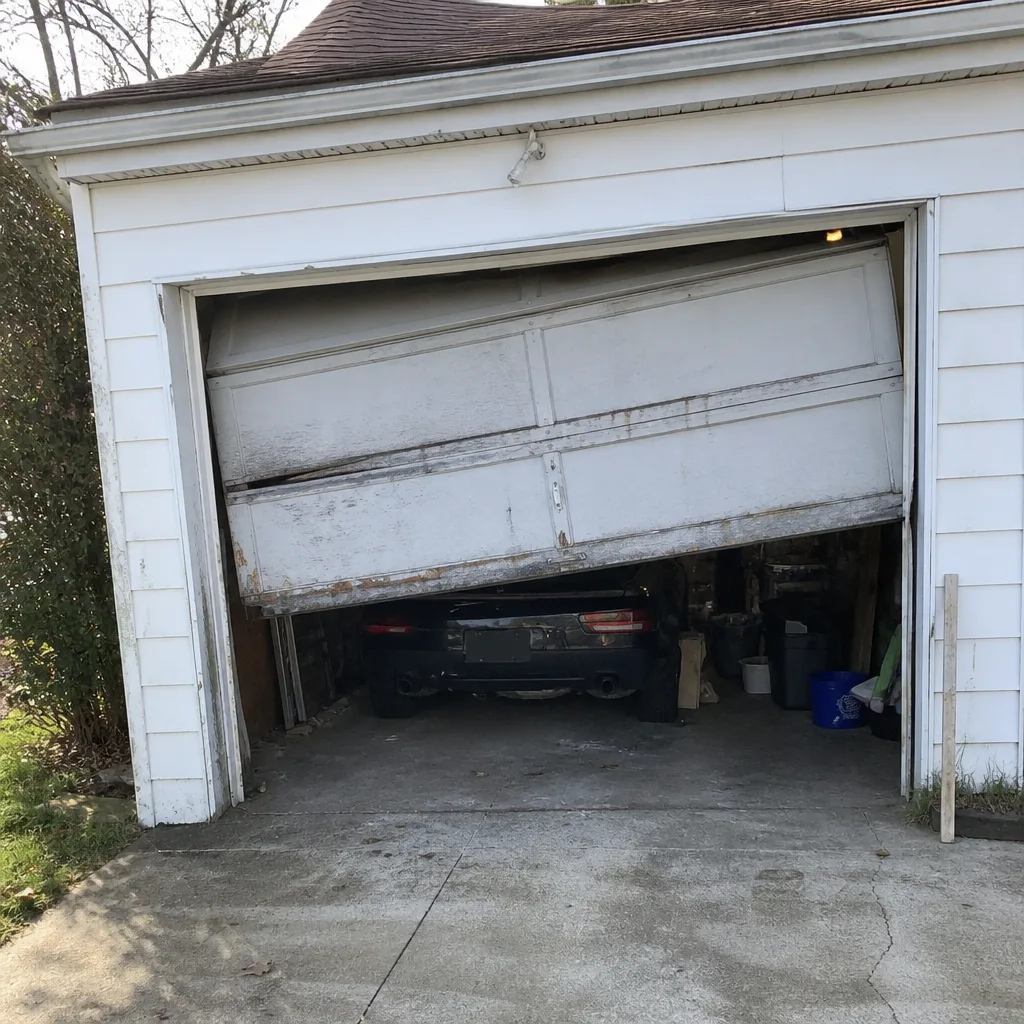 Before
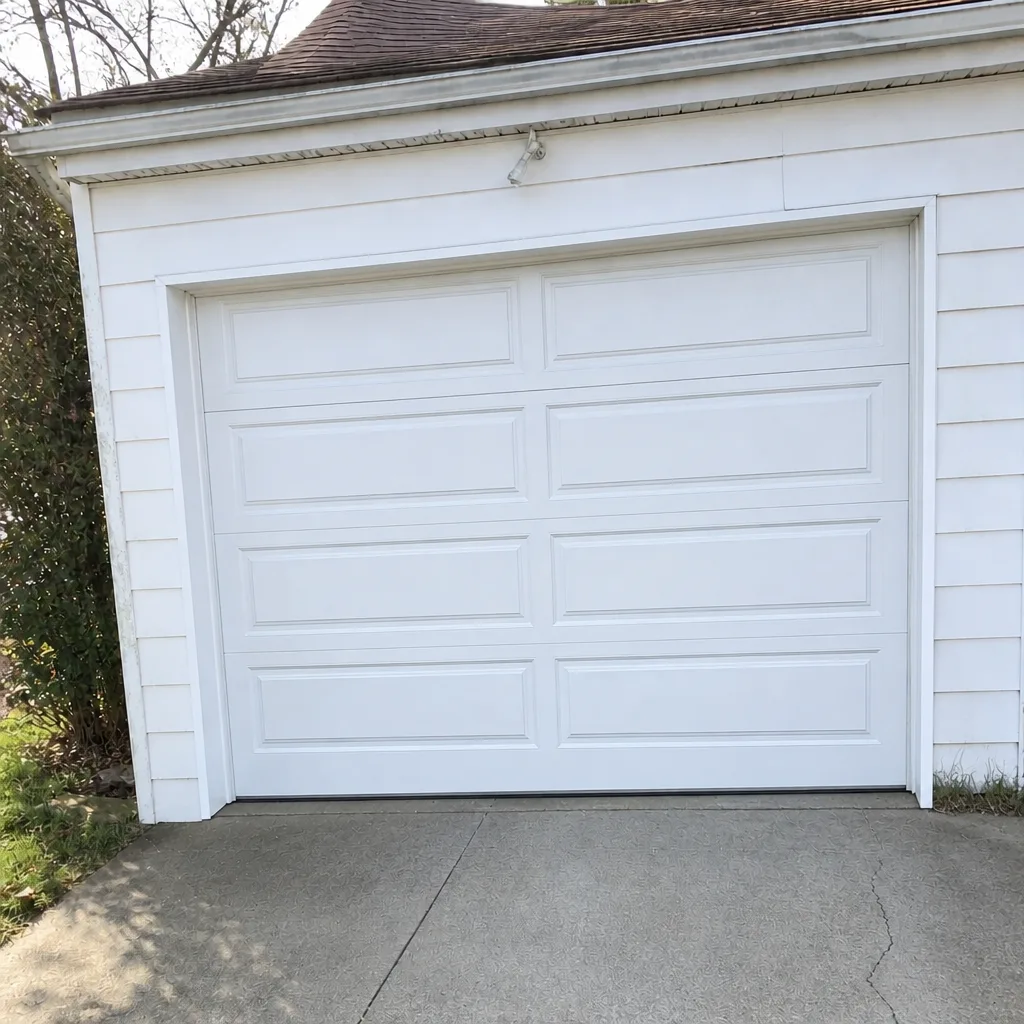 After
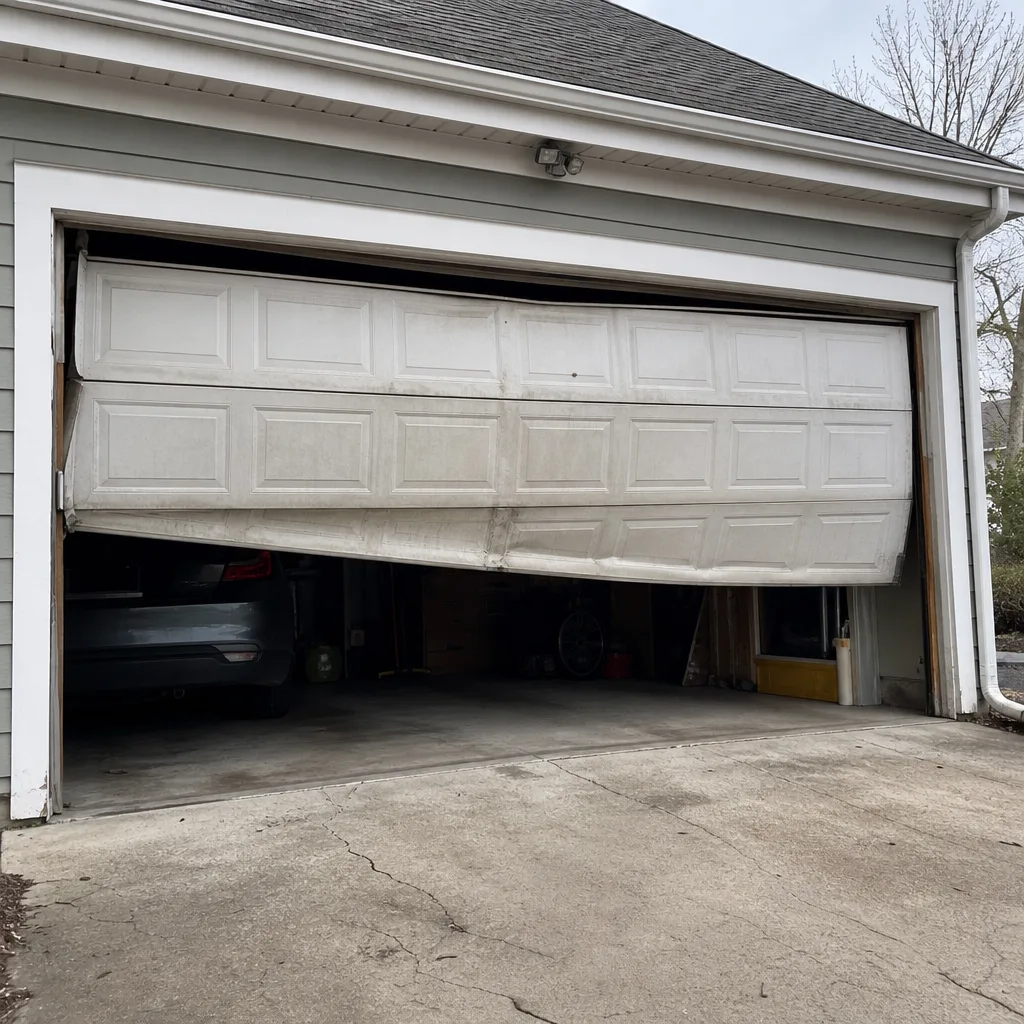 Before
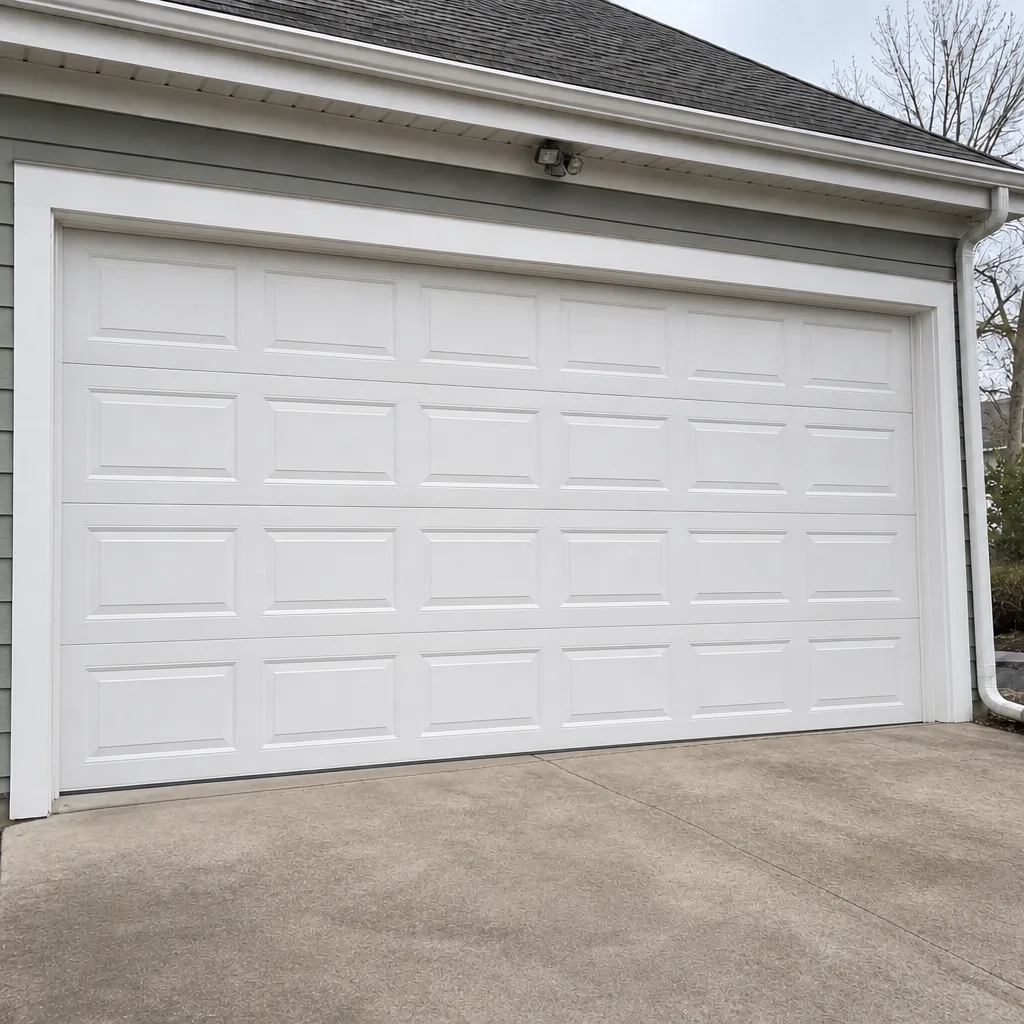 After
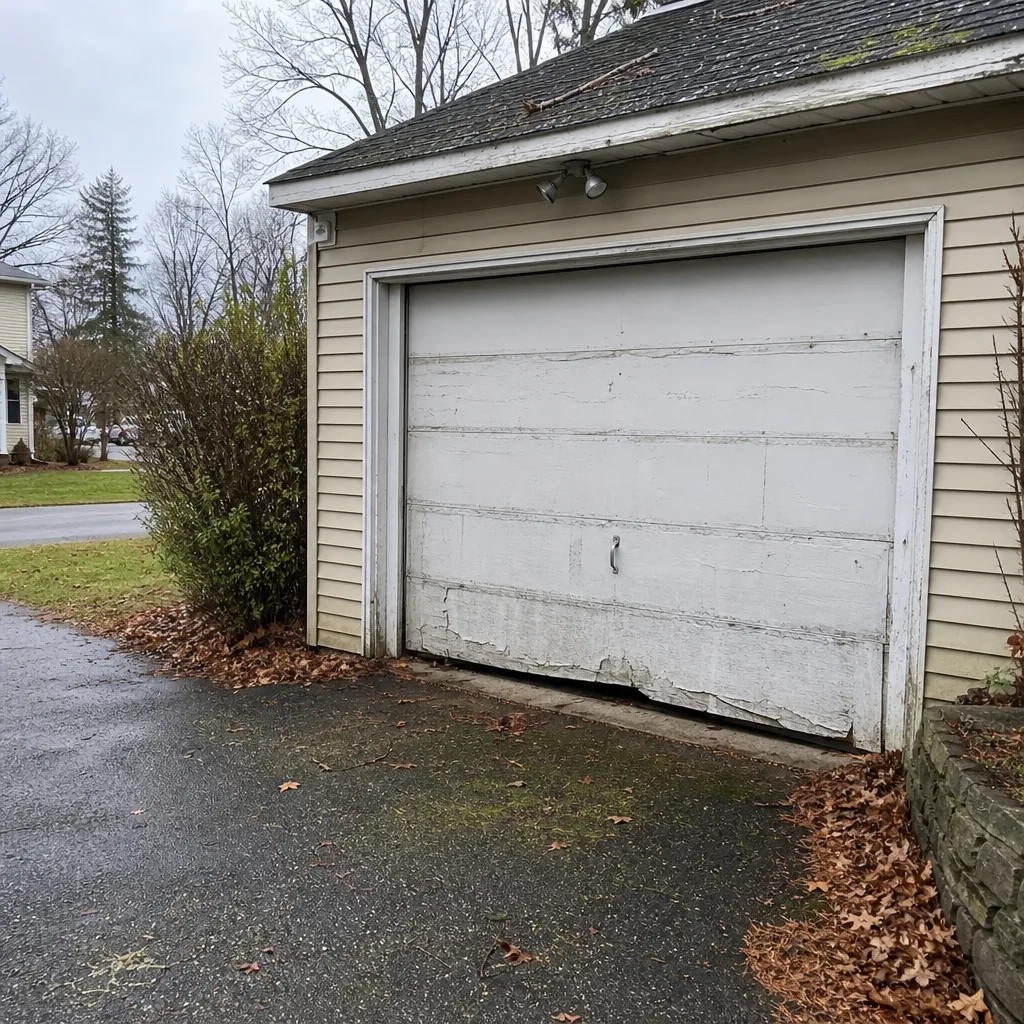 Before
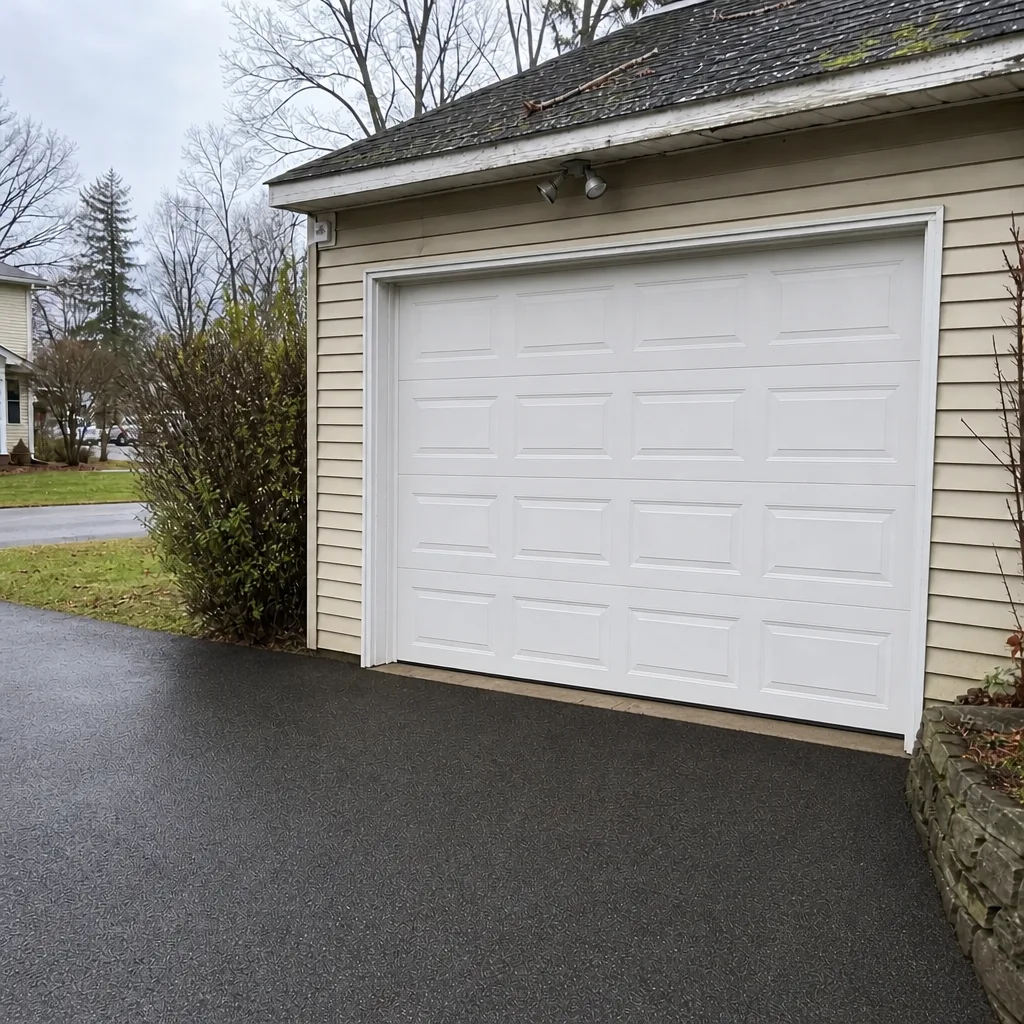 After
Frequently Asked Questions
Twice a year is the honest minimum, and the two dates that matter most are in October (before the first freeze) and March (as winter ends). Those correspond to the two seasonal stress points for this climate. Everything else is light upkeep: a re-lubrication in mid-winter and a post-storm visual check in summer.
January combines the coldest metal of the year, the highest number of open/close cycles, and a system that’s been carrying cold stress since fall. Torsion springs become more brittle, seals stiffen, and openers face the heaviest load – so problems that were set up in October tend to surface in January.
No – torsion springs and cables are under extreme tension and are the most dangerous parts of a garage door. This is not a homeowner task. A trained technician knows how to release and re-tension the system safely. If a spring has visibly broken or a door won’t lift, call (855) 425-4845.
Summer heat stresses opener electronics, especially logic boards and capacitors in hot garages. Symptoms include intermittent operation, phantom opening/closing, or an opener that works in the morning but fails in the afternoon heat. Better ventilation helps; persistent intermittent faults are worth a diagnosis.
Spring is the better window for a bottom seal replacement. The seal has just spent the winter compressed against a cold, often wet floor, and installing a fresh one as temperatures rise gives it the best start for the next cold season. Fall is the second-best time.
Lubrication and inspection. Apply a garage-door-rated lubricant to rollers, hinges, and torsion bar bearings (not the tracks), and do a visual look for rust, spring wear, seal damage, and opener symptoms each season. The safety reverse and photo-eye tests are also easy to run yourself – just don’t touch the springs or cables.
The Bottom Line
The seasonal garage door story in Middletown Township is genuinely a four-part cycle: fall is when you prepare, winter is when you survive, spring is when you inspect, and summer is when you protect. The components that fail hardest in January (springs, openers, seals) usually had small warning signs in October. If you take away one habit from this guide, make it the October lubrication and spring check – it’s the single highest-value task of the year. And when something is over your head, especially anything involving springs or cables, don’t improvise. Middletown Garage Door Repair Pros handles the whole door, and estimates are free.
For same-day emergency service when your garage won’t open or close, or to schedule a seasonal inspection, call (855) 425-4845 or start at Middletown Garage Door Repair Pros. We’ll give you a written price before any work starts, so the number you agree to is the number on the invoice.
Written by the team at Middletown Garage Door Repair Pros.