Last updated November 21, 2026
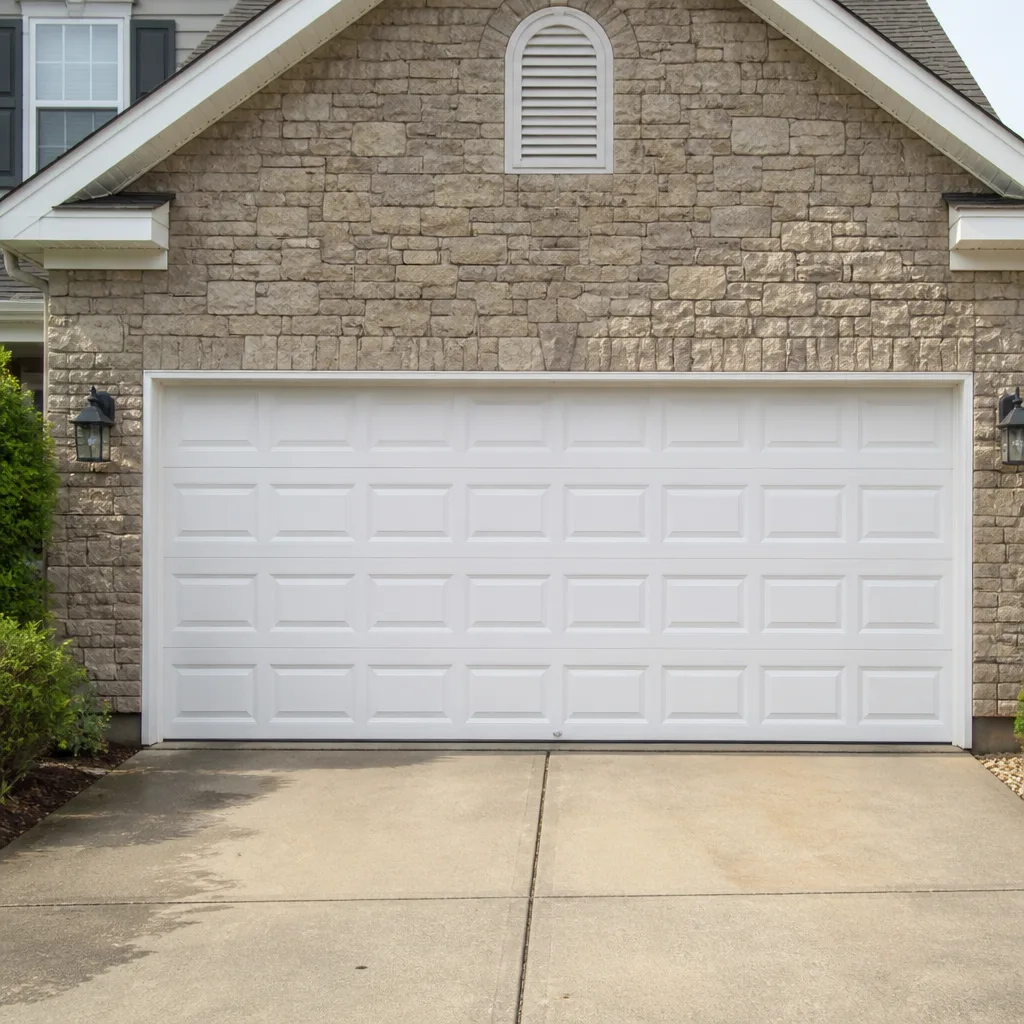 Raised-panel steel
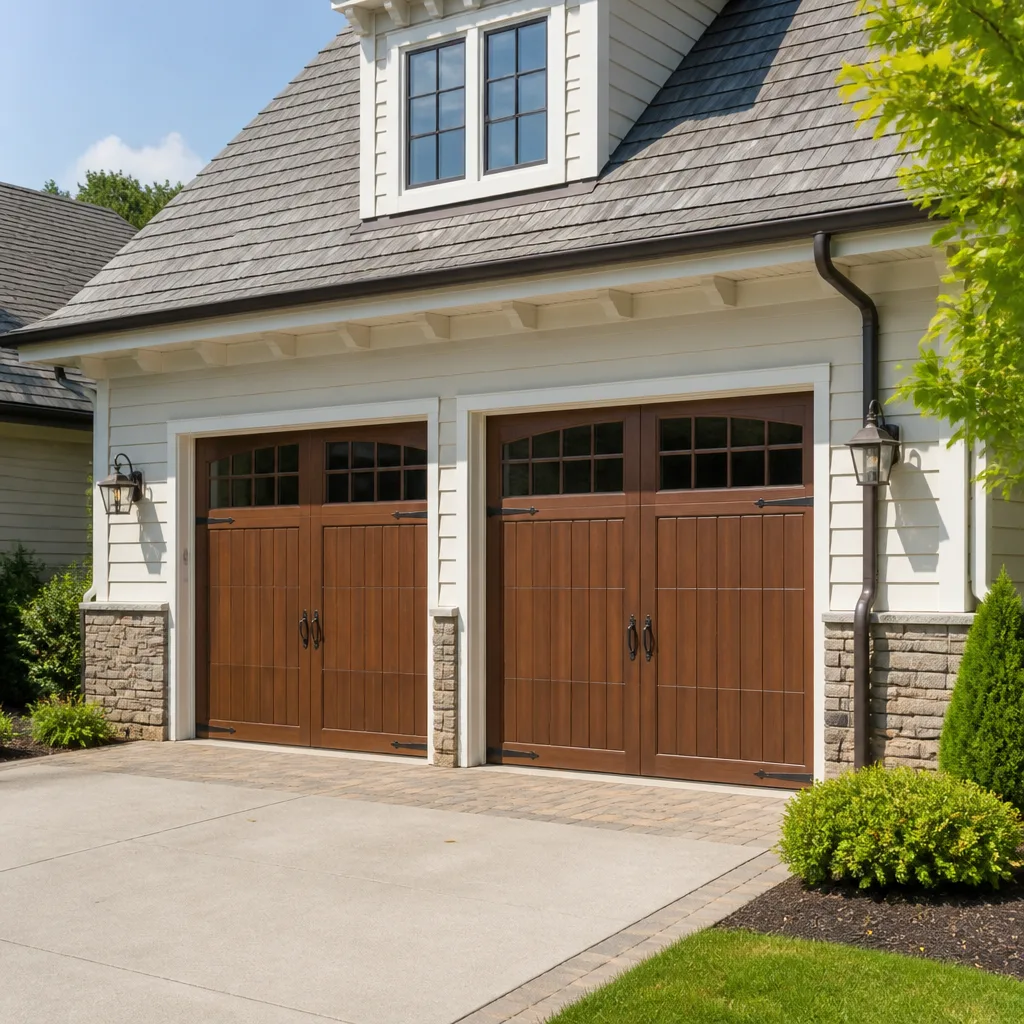 Carriage house
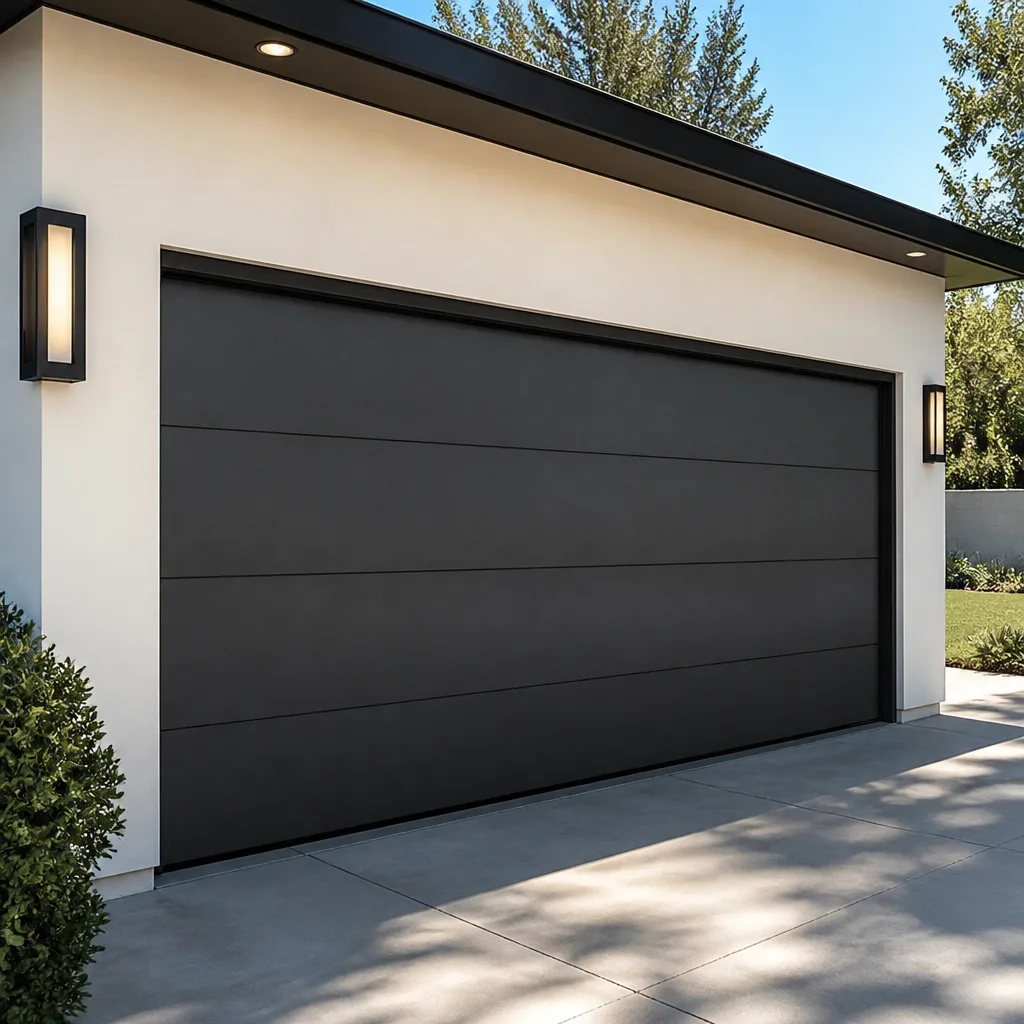 Modern flush
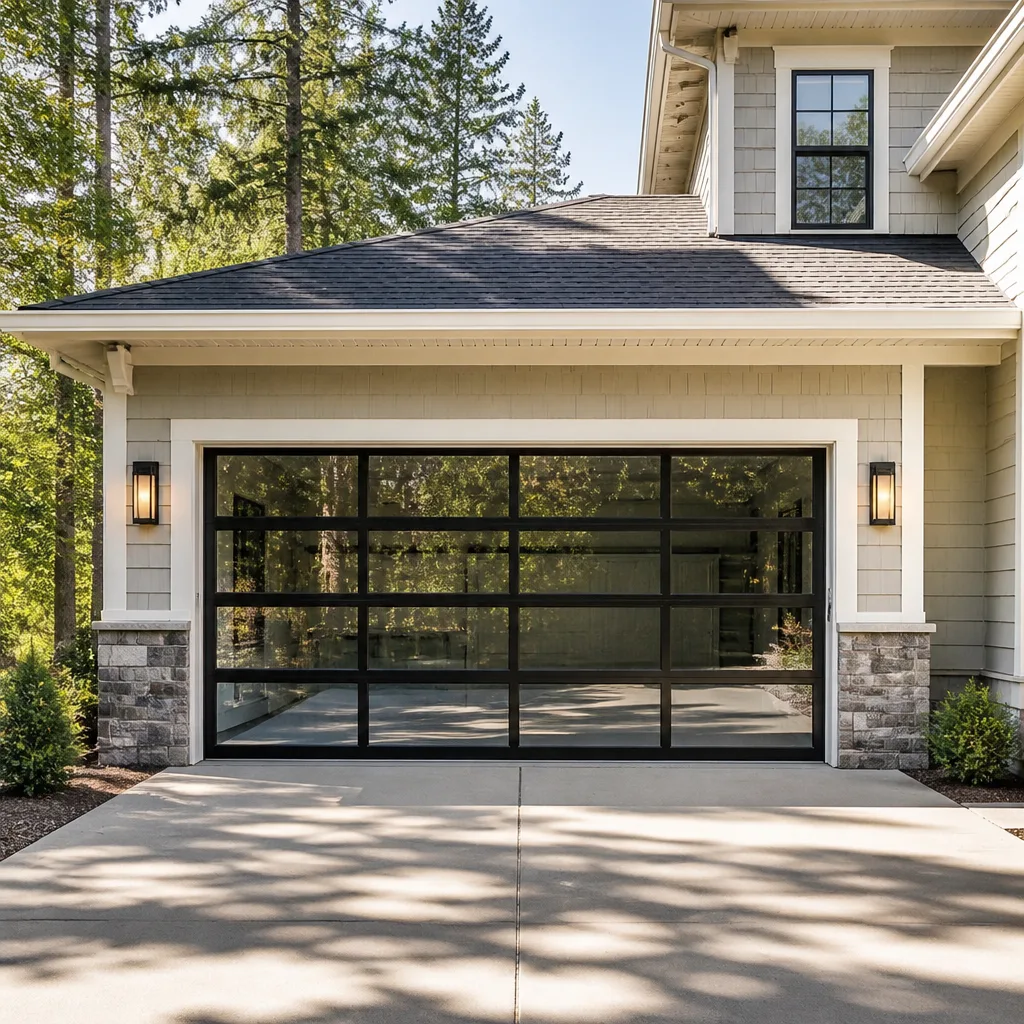 Full-view glass
 LiftMaster openers
 Chamberlain openers
Full 25-point door and opener safety check with every visit - springs, cables, rollers, tracks, and your LiftMaster or Chamberlain opener included
You get a price before we start. It does not change when the pro arrives.
Get your free estimateThe Complete Guide to Garage Doors in Middletown Township
Most garage door guides are written for a fictional average homeowner in a fictional average climate. That homeowner doesn’t live here. In Middletown Township, one side of town sits close enough to Raritan Bay that salt in the air works on hinges, springs and panel edges year round, and the other side faces the open wind that comes with a nor’easter. The housing stock is just as varied: 1960s ranches, brick-front colonials, bi-levels, and newer construction near the water each put different demands on a door. This guide treats Middletown Township as its own environment. You’ll learn how the local climate affects your door, which materials and styles fit the housing stock, when repair makes more sense than replacement in this resale market, and what the permitting picture looks like for a new install.
Quick Answer
In Middletown Township, a garage door lasts longest when the hardware is chosen for salt exposure and the panels are rated for wind, and the door is serviced before corrosion and misalignment compound. Most repairs cost far less than replacement, and repair is usually the right call unless the door is showing multiple structural failures at once. New installations require a permit from the township, while repairs typically don’t – always confirm with the township’s building department before work begins.
Styles & brands we work with
- Raised-panel steel
- Carriage house
- Modern flush
- Full-view glass
- LiftMaster openers
- Chamberlain openers
Table of Contents
- Why Middletown Township Doors Age Differently
- Which Materials Hold Up in This Climate
- Door Styles That Fit Middletown Township Homes
- Why Insulation Matters More Here
- Repair or Replace? A Practical Decision Framework
- Local Permitting Realities for Garage Door Work
- Matching Parts to the Brand Already in Your Garage
- A Seasonal Maintenance Routine for This Township
Why Middletown Township Doors Age Differently
A garage door is a large moving assembly of steel, aluminum, and sometimes wood, held together by hundreds of fasteners, hinges, rollers, and two heavy springs. Every one of those components is exposed to whatever the weather throws at it. In Middletown Township, that weather is unusually varied because the township stretches from bay-side neighborhoods out toward the more sheltered inland streets.
What we see on doors here follows from that geography. Homes close to the waterfront tend to show hardware wear first: rusty fasteners, hinges, and rollers that corrode before the panels themselves fail. Homes on more open lots show the effects of wind more clearly: sagging panels, brackets that work themselves loose over time, and doors that struggle against a stiff crosswind. Homes on older residential streets often have doors that have simply been carrying the same springs for many years, which is a wear issue rather than a weather issue.
The common thread is that a garage door doesn’t fail all at once. It warns you. A little noise here, a slight wobble there, a door that closes a fraction late. In a forgiving climate you can ignore those warnings for years. In Middletown Township, with salt accelerating decay on one side of town and wind stressing hardware on the other, those warnings move faster than they sound like they move.
Which Materials Hold Up in This Climate
The material you choose is the single biggest factor in how long your garage door lasts here, and it’s where a lot of buying advice goes wrong. Most comparison charts rank materials by price and nothing else. For Middletown Township, the ranking needs to weigh corrosion resistance against wind performance against appearance.
Here’s how the main options actually behave:
- Steel: Strong, cost-effective, and available in almost any style. The panels themselves hold up well, but paint chips and screw holes become rust points more quickly on the bay side of town. Choose steel that’s factory-finished and touch up any scratch promptly.
- Aluminum: Naturally resistant to corrosion, so it’s a strong fit for homes where salt exposure is a real factor. Lighter gauge panels can dent, so weigh durability against the visual you want.
- Composite and clad wood: Give you the wood look that suits older colonials without the annual repainting real wood demands. Composite avoids the rot problem entirely, which is why it’s worth a serious look for anyone replacing a wood door the salt air has beaten up.
- Solid wood: The right choice only if you enjoy repainting. In this climate, wood needs regular protection or it rots at the bottom edge and the joints. It’s a romantic choice, not a low-maintenance one.
If your home sits close to Raritan Bay, weight your decision toward the corrosion-resistant end of the list. If you’re more inland and your concern is visual fit, the range of options widens.
Door Styles That Fit Middletown Township Homes
Middletown Township’s housing stock spans ranches from the 1960s, brick-front colonials, bi-levels, and newer construction, and a door that looks right on one type can look out of place on another. Matching the door to the house matters for more than curb appeal – it’s part of what makes the home read as cared for when you sell.
Some practical pairings:
- Colonials: A sectional steel or composite door with raised panel detailing usually reads as the natural fit. Keep the panel proportions in line with the house’s front elevations rather than choosing a busier design than the brick or siding.
- Ranches: One-car and compact two-car openings do well with a low-key carriage-style or simple flush panel. Overcomplicating a small opening makes it feel cramped.
- Bi-levels: Because the garage often dominates the front of these homes, the door is unusually prominent. A well-finished sectional door with a clean horizontal orientation gives the house balance.
- Newer waterfront construction: Larger openings and bigger windows on the house allow more design latitude. Composite and aluminum doors with modern panel layouts tend to match the architecture here.
One honest limitation: any appearance guide should be read with resale in mind. A door that looks special to you can be a liability to a buyer. If you’re planning to sell within a few years, leaning toward the conservative style for your home type is the safer bet.
Why Insulation Matters More Here
A garage door is often the largest single opening in the building envelope, and what it’s rated for matters in this township in a way it doesn’t in sheltered inland towns. The reason is straightforward: this is a windy part of the region, and wind drives more than temperature alone.
There are three things to know before choosing an insulated door:
- Wind pushes air through gaps. An uninsulated sectional door with a loose bottom seal will leak air along the entire width of the opening. Under a stiff nor’easter, that air movement can matter more than simple heat loss.
- Insulation helps with weatherproofing as much as warmth. A more solid door and a proper seal together cut down on drafts and the associated moisture. That’s an important secondary benefit in a salt-air climate.
- Insulation isn’t a substitute for weatherstripping. Even the best insulated door underperforms if the bottom seal, side seals, and top seal aren’t in good condition. Seals are a cheap fix and often the place to start before considering a new door.
You don’t need to chase a specific rating to get real value. What matters in Middletown Township is a reasonably insulated panel combined with well-maintained sealing at all edges. If your current door is uninsulated and your garage is used as a workshop or a space people actually occupy, an insulated door is worth serious consideration. If it’s a simple parking space, the seals and wind resistance are the priority.
Repair or Replace? A Practical Decision Framework
This is the decision most homeowners get wrong, in both directions. Sometimes people replace a door that needed an inexpensive repair. Sometimes people keep throwing repairs at a door that should have been replaced two years ago. In the Middletown Township resale market, the decision has a financial dimension too: a well-kept door reads as a well-kept home, and a failing door does the opposite.
Here’s how a garage door professional actually thinks through the decision:
- Is the door structurally sound? A door with cracked panels, a bent track, or damaged end hinges is telling you it’s tired. If multiple structural parts are failing at once, replacement often costs less over time than correcting them one by one.
- How old is the door? Doors near the end of their expected service life are usually poor candidates for extensive repair, though a single broken spring can still be a simple fix regardless of age.
- What’s the cost ratio? A single component repair is almost always the right call. If the cost of repairs climbs close to a meaningful fraction of a new door, replacement starts to make sense.
- Does the repair make sense cosmetically? If the finish is failing all over, you’re not just fixing one panel, you’re caring for a whole surface. At that point a new door solves more problems in one step.
- Where does resale fit in? If you’re planning to sell in the next couple of years, a door that’s clean and functioning is the goal. Unless the door is genuinely at the end of its life, repair usually serves that goal better than replacement.
If you’re on the fence, a garage door repair assessment is the right starting point. A technician can tell you whether the structure is sound and whether repairs will hold, and that answer is usually worth more than a guess.
Local Permitting Realities for Garage Door Work
One of the most common surprises when replacing a door is discovering that the project has a permit attached. The honest answer here is that the specific rules belong to the township, and the person to ask is the township’s building department.
What generally holds:
- Repairs typically do not require a permit. Replacing a spring, opener, hinge, or roller – fixing what’s already there – is usually considered maintenance.
- Full door replacements often do require a permit. Because a new installation involves the door assembly, the track system, and the opener, the township may want to review it against its building and safety requirements.
- Wind-related requirements may apply. In a coastal-adjacent community, doors and hardware may need to meet wind-resistance standards. Ask the township’s building department which requirements apply to your address; the answer can differ by location.
- The town determines the scope. Don’t guess. Ask about the permit process before any work is scheduled, and get the answer in writing if you can.
We don’t quote specific code sections or tell homeowners “this is the rule” – rules change and can vary even within a township. Call the building department with your address and your project. That’s the single step that keeps a new installation from turning into a mess.
Matching Parts to the Brand Already in Your Garage
Garage doors and openers are almost always brand-name systems, and brand matters for service in two ways: knowing how the system is built, and knowing which parts are compatible. A technician who works on a Clopay door regularly knows the way that door’s panels, hinges, and end brackets come apart. Someone unfamiliar might have to figure it out on your driveway.
This is where being a specialist instead of a generalist pays off. We work on the brand already in your garage, which means:
- Faster diagnosis. A technician familiar with the specific system doesn’t spend time learning how the opener needs to be programmed or how the door’s safety sensors are wired.
- Correct part fit. Track, hinge, and opener parts aren’t interchangeable across brands in the same way. Working from your actual system avoids any guessing.
- Emergency accuracy. When the garage won’t open or close and you need it fixed that day, familiarity with the system is the difference between a fix and another guess.
We service equipment from LiftMaster, Chamberlain, Genie, Clopay, Amarr, Wayne Dalton, Craftsman, and Raynor. If you don’t know the brand of your current door or opener, a technician can usually identify it from the motor unit, the springs, or the door’s construction – so don’t worry if you’ve never looked.
A Seasonal Maintenance Routine for This Township
Most garage door problems start small and are cheap to fix while they’re small. In Middletown Township, the maintenance routine worth keeping is short, but it should account for both salt exposure and wind.
What we recommend homeowners do, and what to watch for:
- Look at your hardware each season. Rusty hinges and fasteners, especially on bay-side homes, are the first sign of a problem. A touch of rust is manageable; a hinge that won’t move without force is a call.
- Check the bottom seal. It’s the most commonly neglected part on any door, and it’s also the piece most affected by weather and wind. A cracked or missing seal lets in moisture and drafts.
- Listen to the door. A door that suddenly gets noisier, wobbles, or lags on one side is telling you something needs attention. Those are the early signals.
- Test the opener’s safety reverse once a month. If the door doesn’t reverse, the opener has a problem and could become a safety issue. Call for service rather than continuing to use it.
- After any major storm, look before you drive in. A nor’easter can shift a track or drop a panel. A quick visual check before using the door is cheap insurance.
One piece of maintenance you should never do yourself is working on the springs. We’ll come back to that – it’s the most important warning in this guide.
Common Mistakes to Avoid
- Trying to adjust or replace springs yourself. The torsion springs that balance your door are under extreme tension, and the tools that fail are the tools that injure people. This is the one job that should always go to a trained technician – garage door spring repair is best handled by someone with the right process.
- Replacing only one spring in a matched pair. Springs are installed in paired sets that have been cycling together. Replacing just one leaves the other older spring to carry an uneven load, and both typically get replaced together. Price a pair, not a single spring, when you’re planning.
- Choosing a door based on price alone. In the bay-side sections of Middletown Township, the cheapest steel door will usually age faster than a corrosion-resistant one. The saving up front can cost more over the life of the door.
- Ignoring a worn bottom seal. It’s the least expensive part of the door and one of the most important in a windy climate. A missing or cracked seal lets in moisture and drafts, and it’s the easiest fix in this guide.
- Assuming a repair always means a future replacement. A spring, opener, or roller fix keeps the door going for years. Jumping to replacement when a repair would do is the more expensive mistake.
- Not asking about permits before a new installation. A door replacement may need township review, and scheduling work before you’ve checked can lead to delays or rework. Call the building department first.
- Putting off a failing opener. An opener that won’t reverse, or a remote that only works up close, is an early warning. Diagnosing these problems early is garage door opener repair territory, and delaying it risks a bigger problem later.
See the difference
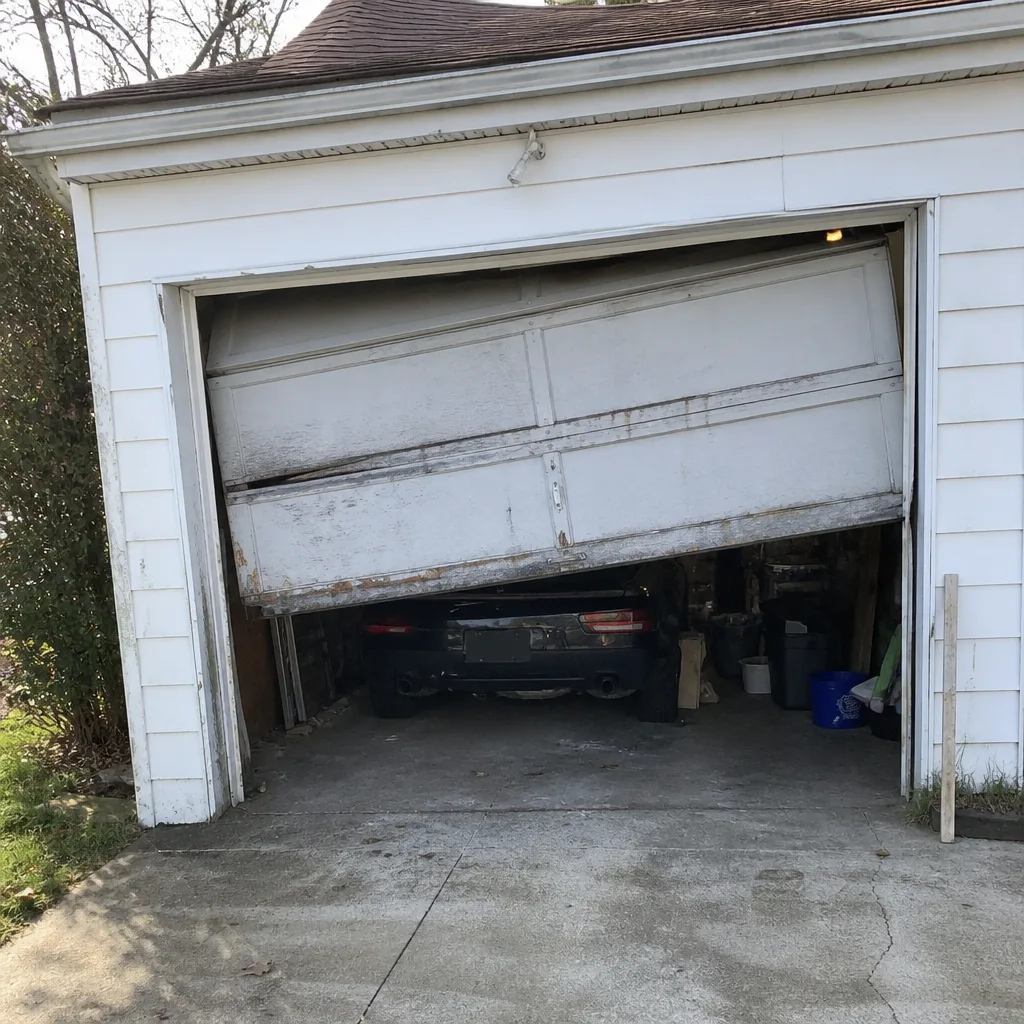 Before
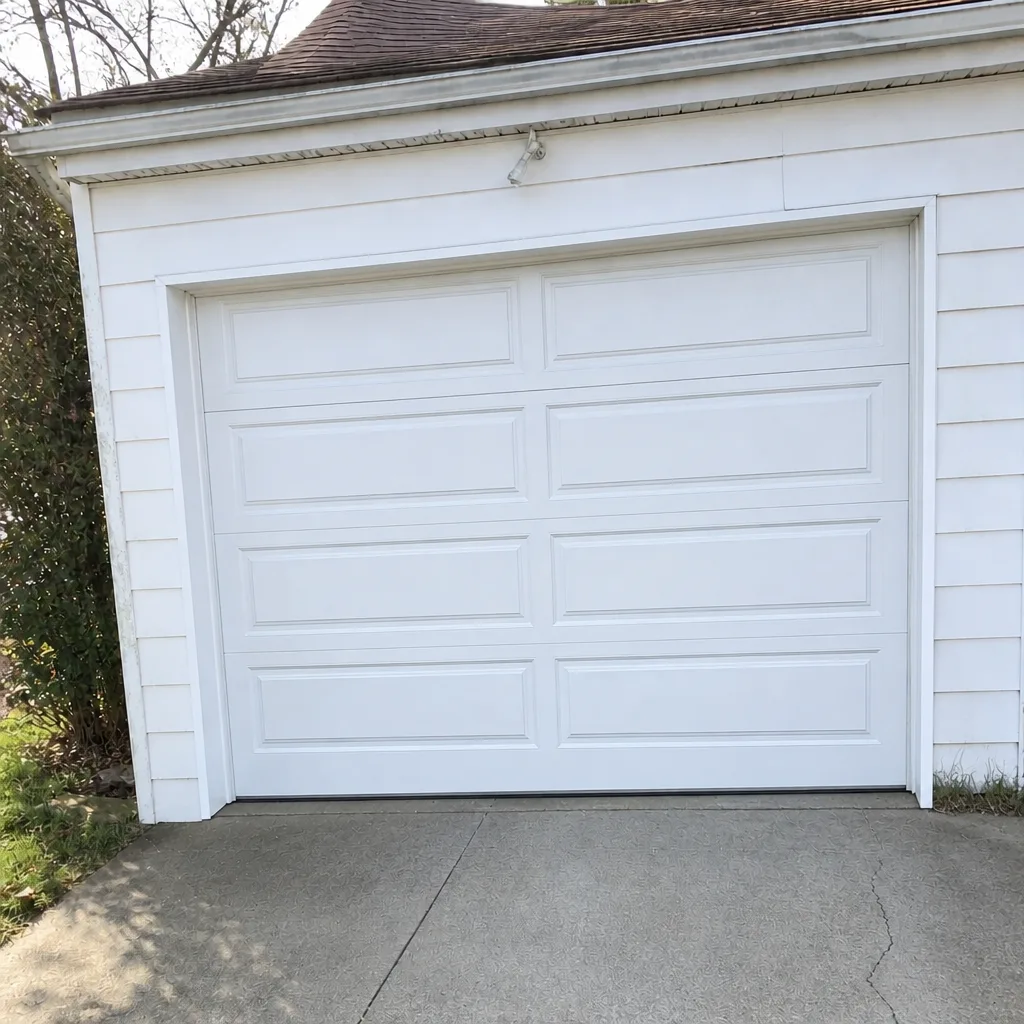 After
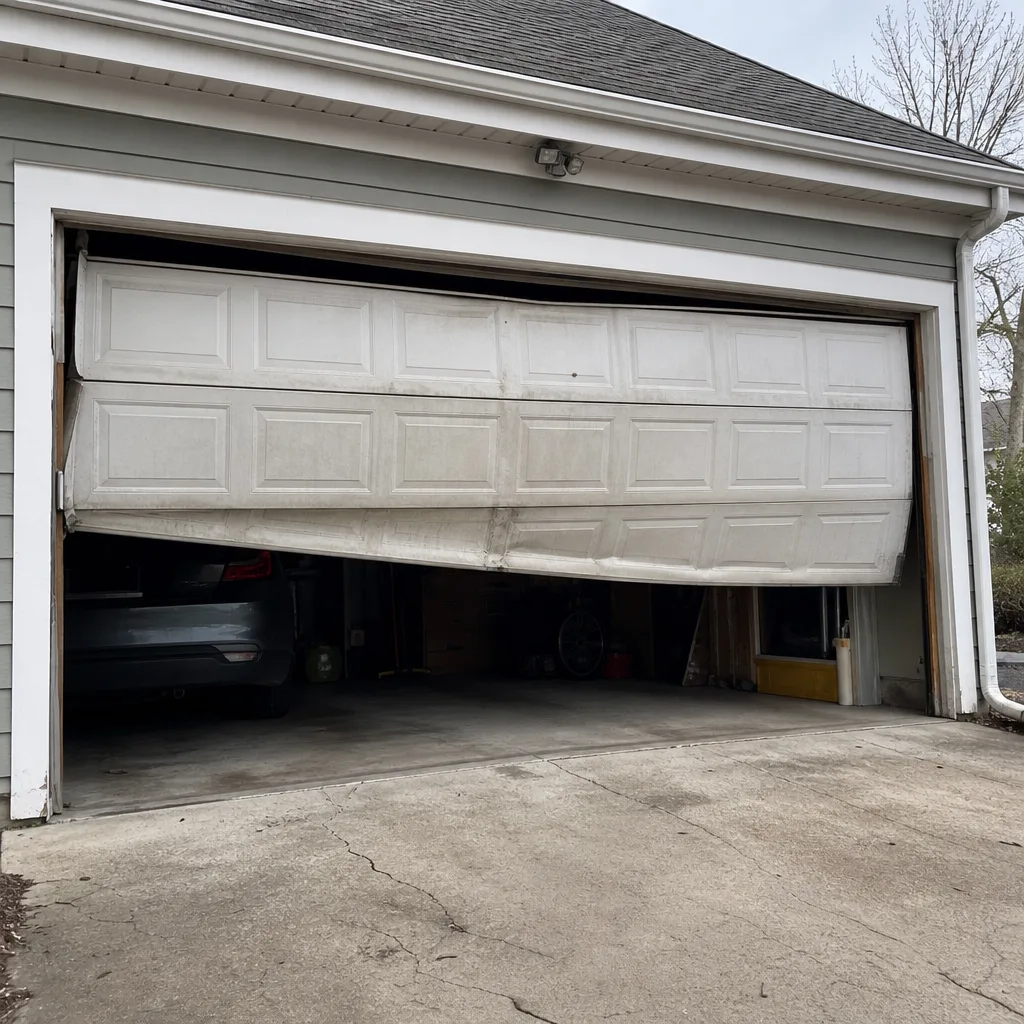 Before
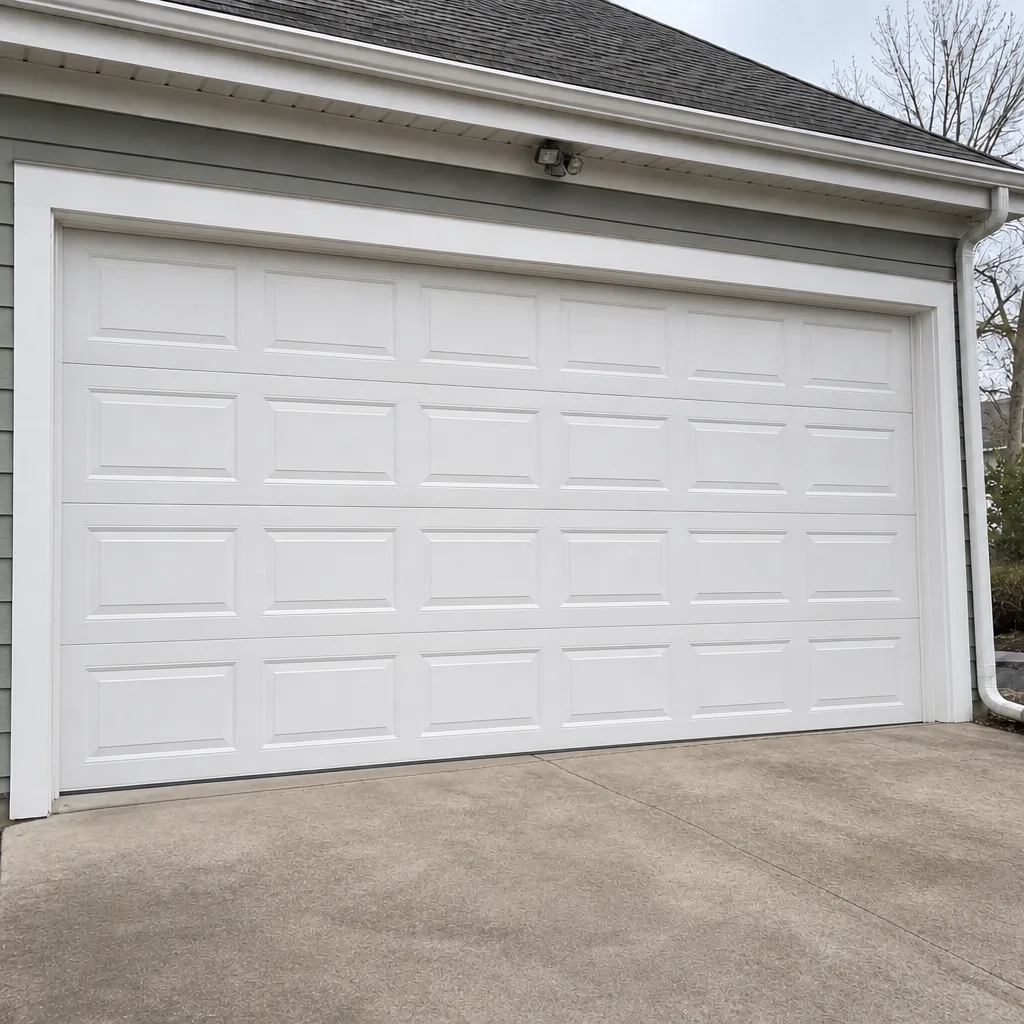 After
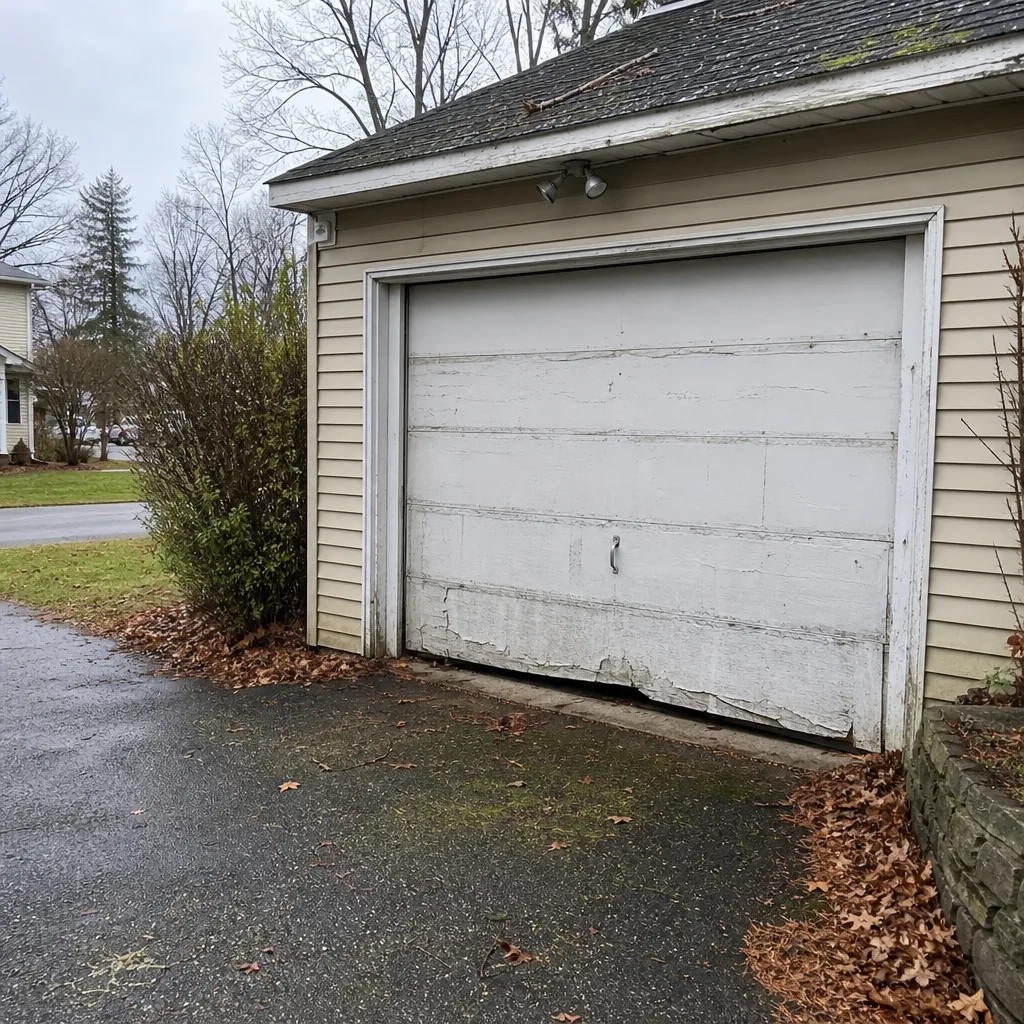 Before
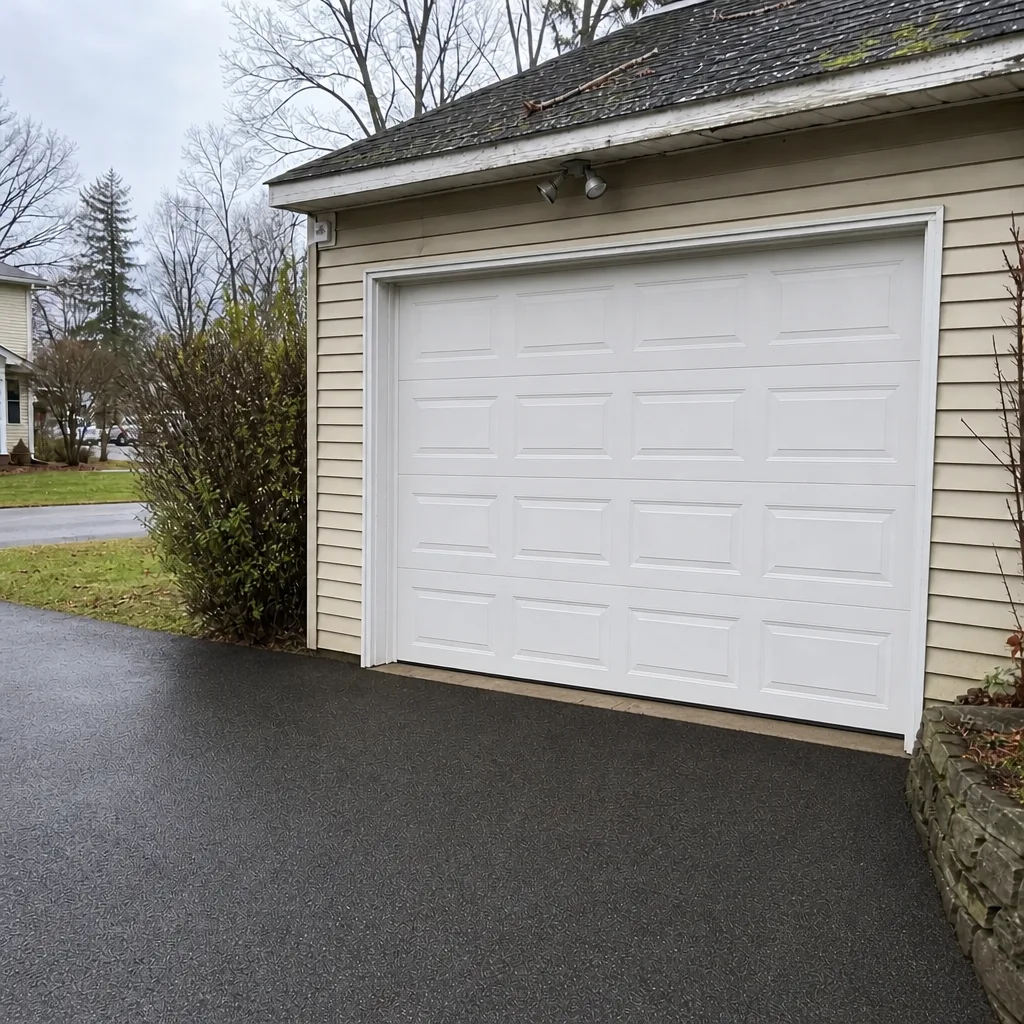 After
When to Call a Professional
There are two clear categories where you should stop what you’re doing and call. The first is anything involving the springs, cables, or torsion system. Garage door springs and cables are under extreme tension, and the injuries they cause happen to people who thought they were being careful. The second is any safety concern: an opener that won’t reverse, a door that closes on its own, or a track that has bent and allowed the door to sit at an angle.
Beyond those, call for anything that’s outside your comfort level: a door that won’t stay closed, a sticking opener, a broken hinge or roller you can’t safely reach. And if you need a same-day fix because the garage won’t open or close, emergency garage door service is part of what we offer. Middletown Garage Door Repair Pros offers free estimates in Middletown Township – call (855) 425-4845 and we’ll get you a straight answer on what needs doing.
Frequently Asked Questions
Garage door repairs in Middletown Township typically range from a small fix like a hinge or roller to a full spring replacement, and the exact number depends on what fails. The written estimate you get before any work begins is the price. Call (855) 425-4845 – estimates are free.
Full replacements often require a permit, while repairs typically don’t. The township’s building department is the authority for your address – ask them directly before scheduling work. Call (855) 425-4845 and we’ll walk through the permit step with you.
Aluminum and composite doors resist corrosion far better than standard steel or wood in a salt-air environment. If you’re replacing a door on a bay-side street, weighting your choice toward corrosion-resistant materials saves you maintenance later. Call (855) 425-4845 for a free measure and a written price.
Yes, for many repairs, same-day service is available. When a broken door creates a security or access problem, emergency garage door service means you’re not waiting days for a scheduled appointment. Call (855) 425-4845 to get on the schedule.
No. The price you’re quoted is agreed before any work starts, so the invoice matches the quote. What you’re told is what you pay. Call (855) 425-4845 for an exact quote – estimates are free.
Often, yes, especially if the panels and structure are still sound and the problem is a spring, opener, or hinge. A technician will tell you plainly whether the door has enough life left to justify the repair. Call (855) 425-4845 to get an honest assessment.
The Bottom Line
Garage doors in Middletown Township need more consideration than the generic buying guides suggest. The climate on the bay side of town works on hardware and finishes year round, so choosing corrosion-resistant materials and staying ahead of maintenance matters. On the wind-exposed streets, insulation and sealing are what keep the door functioning and the garage dry. If your door is generally sound, repair is usually the right call, and a specialist who works on the brand already in your garage can tell you the difference between fixing it and replacing it. When in doubt, start with a repair assessment, ask the township about permits for anything new, and remember to call for any spring or safety issue.
Written by the team at Middletown Garage Door Repair Pros.