Last updated November 21, 2026
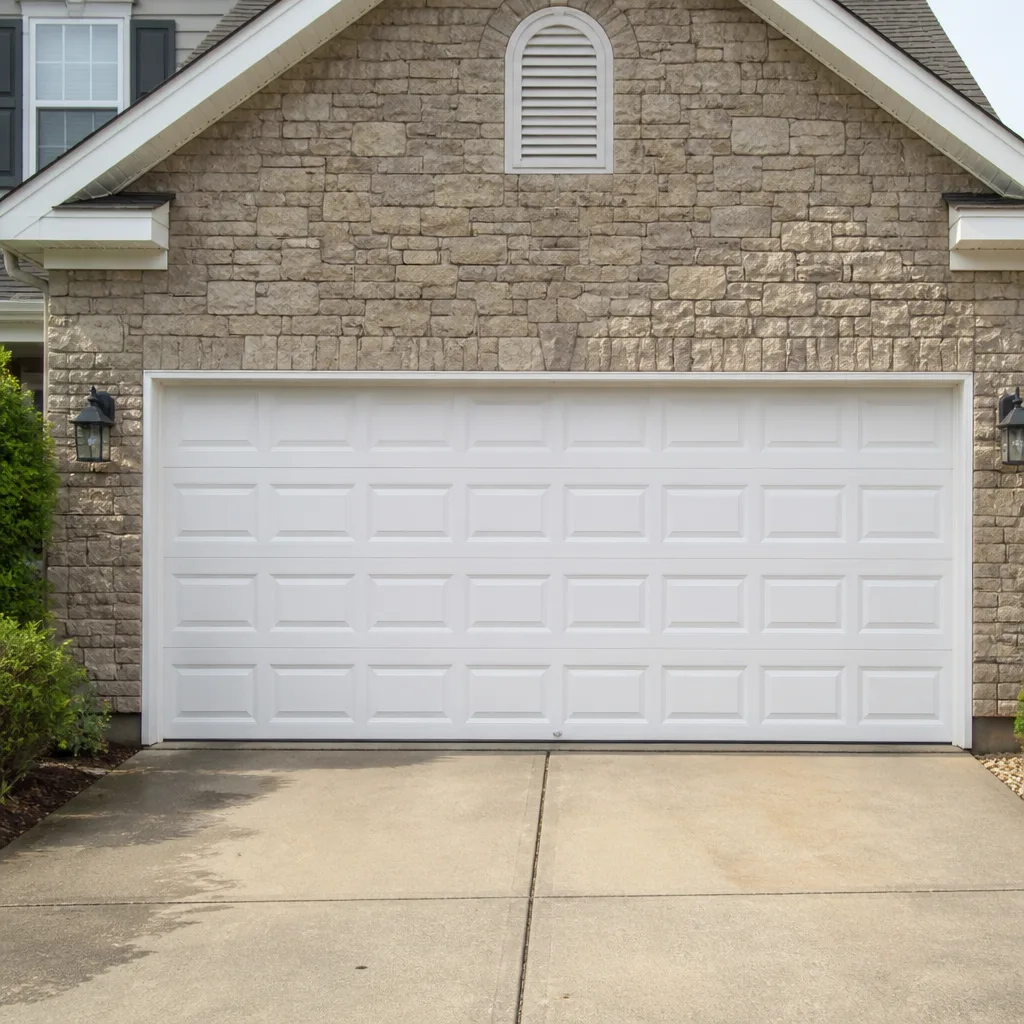 Raised-panel steel
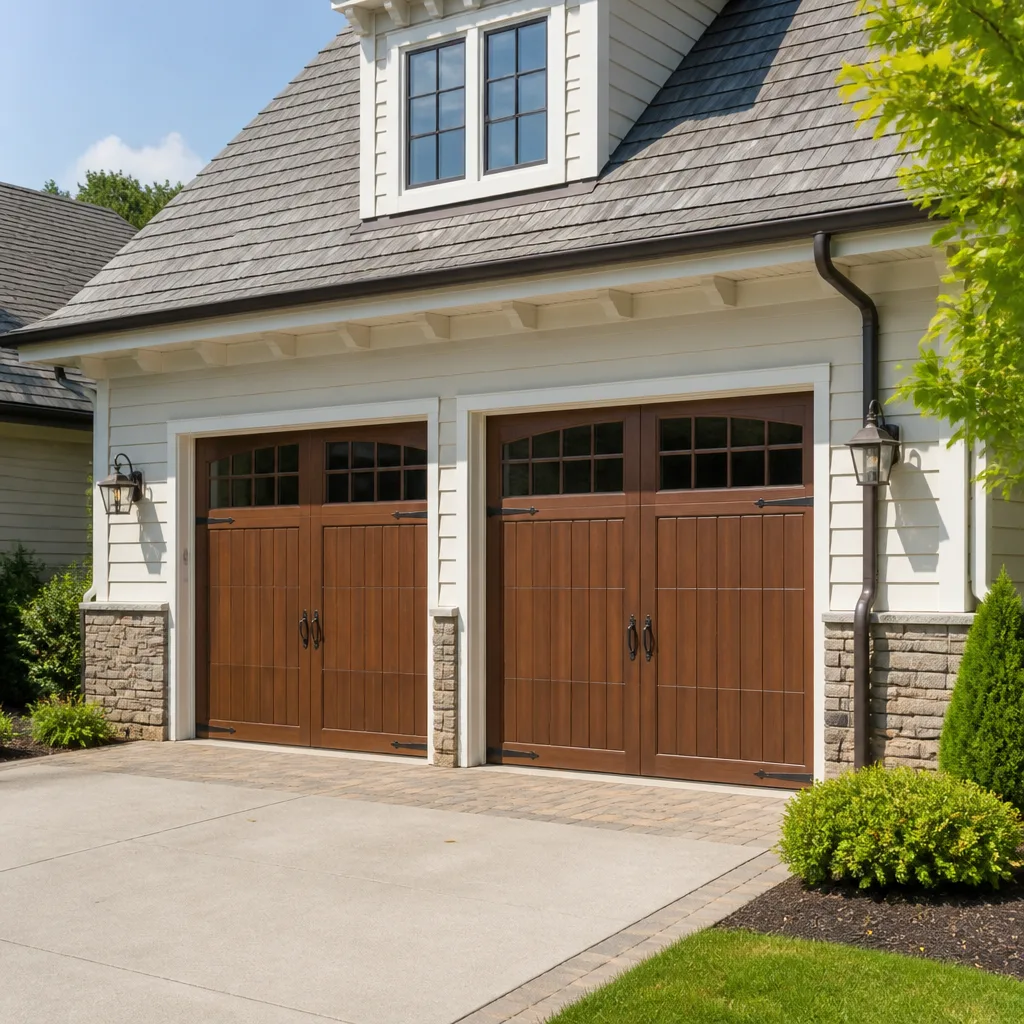 Carriage house
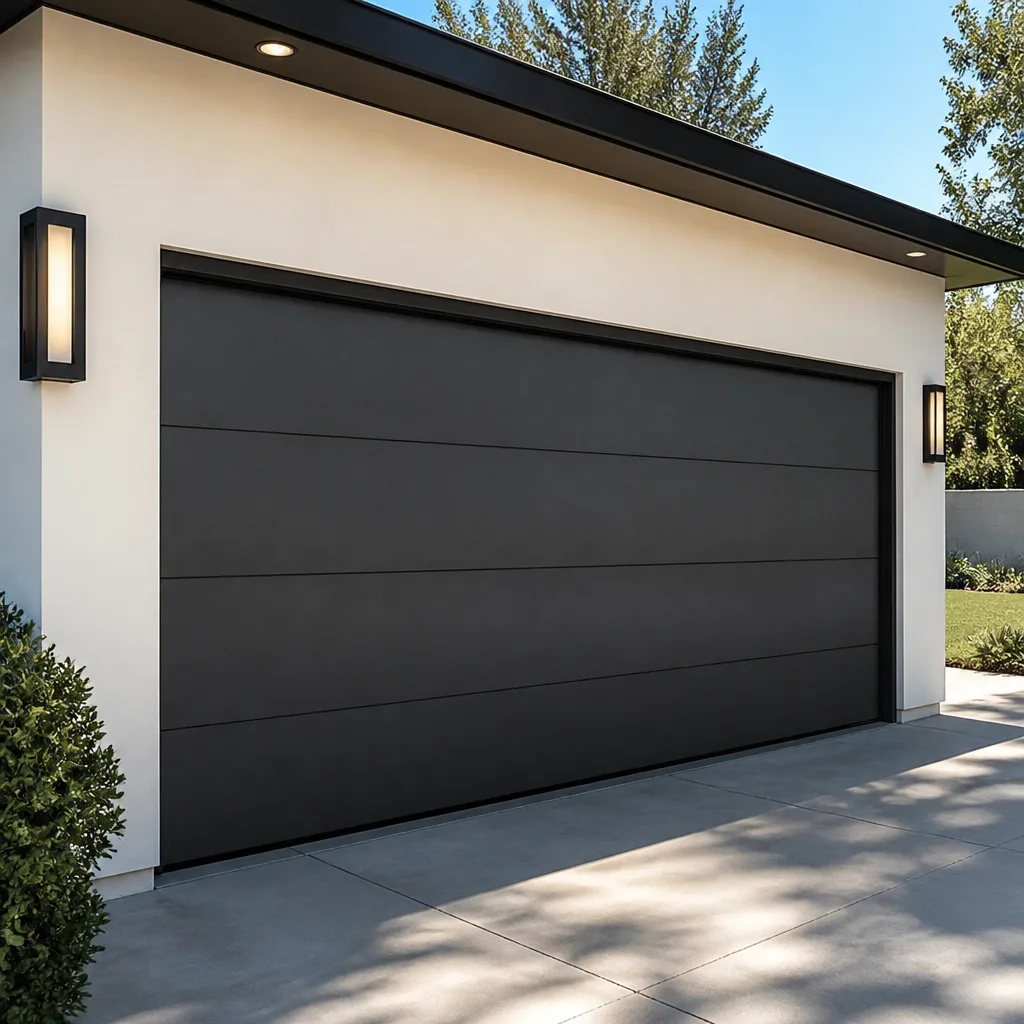 Modern flush
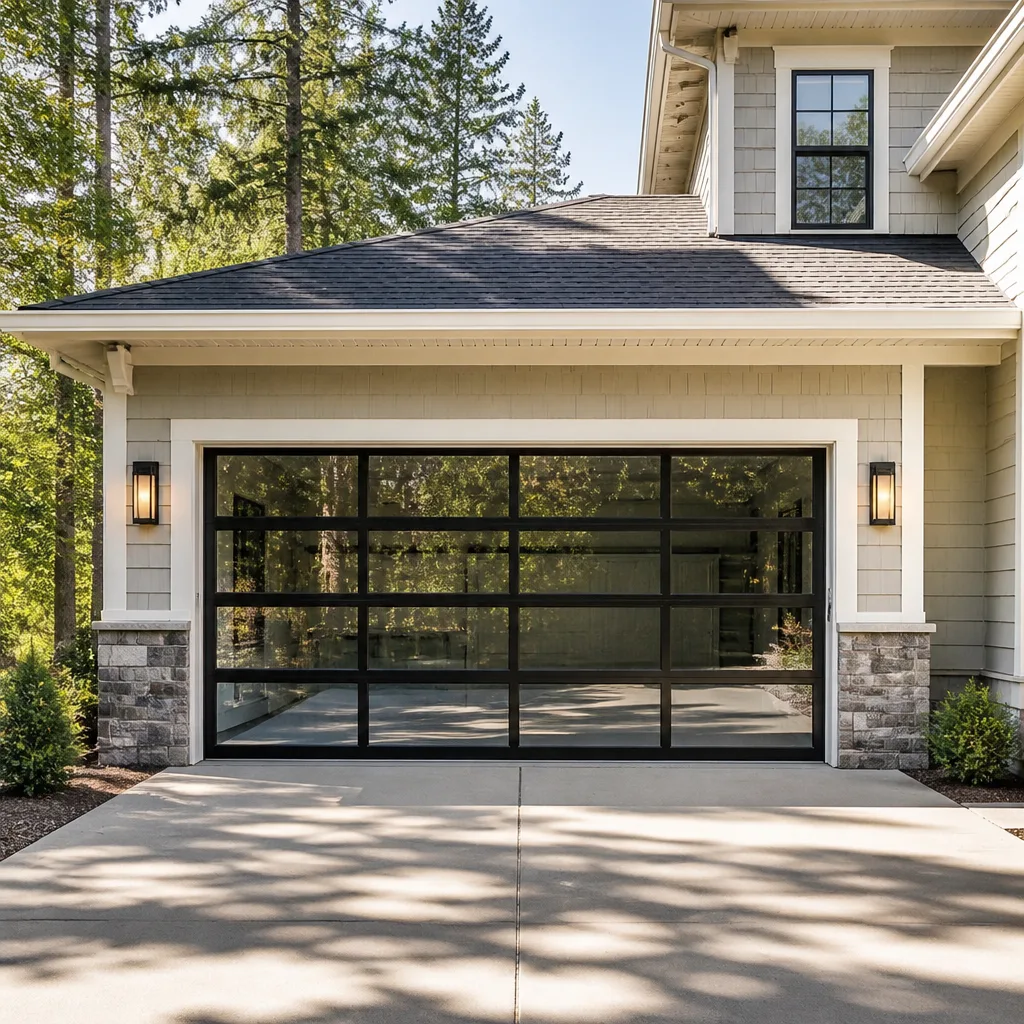 Full-view glass
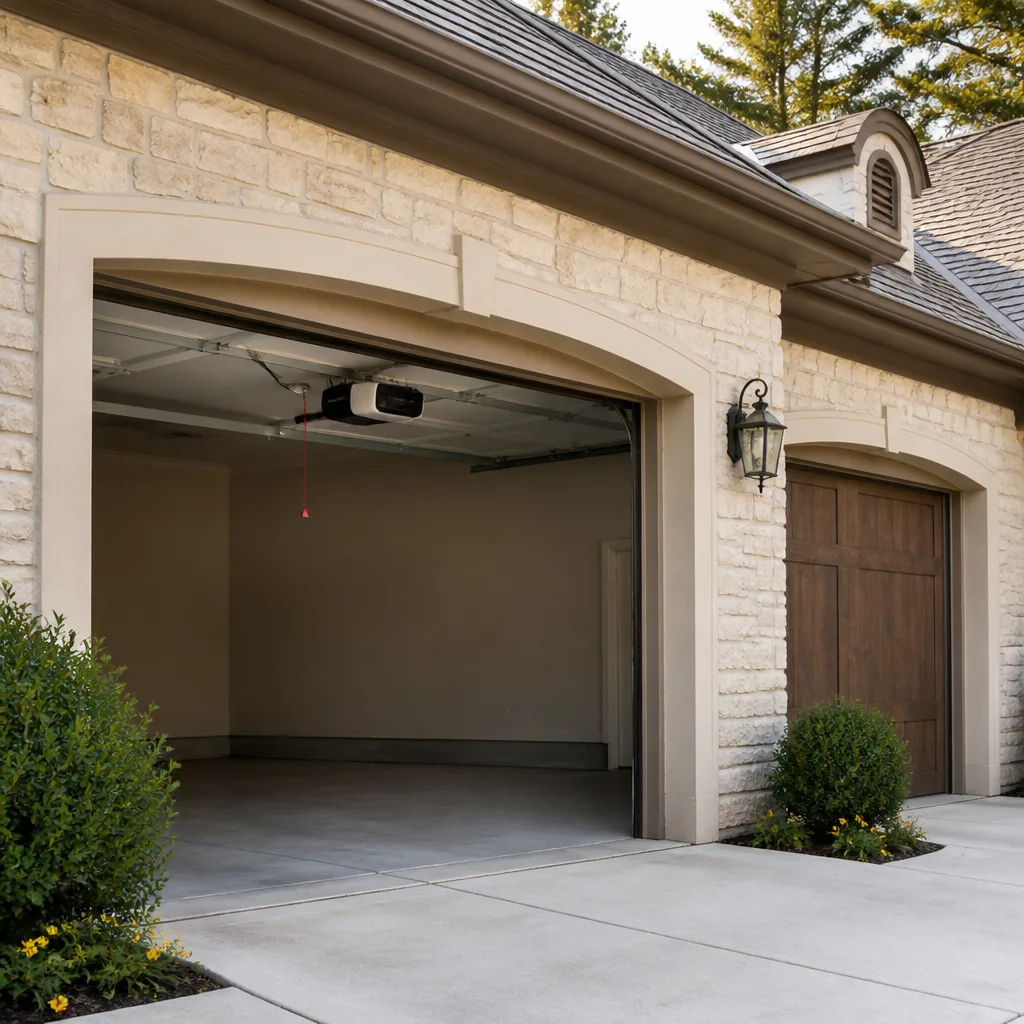 LiftMaster openers
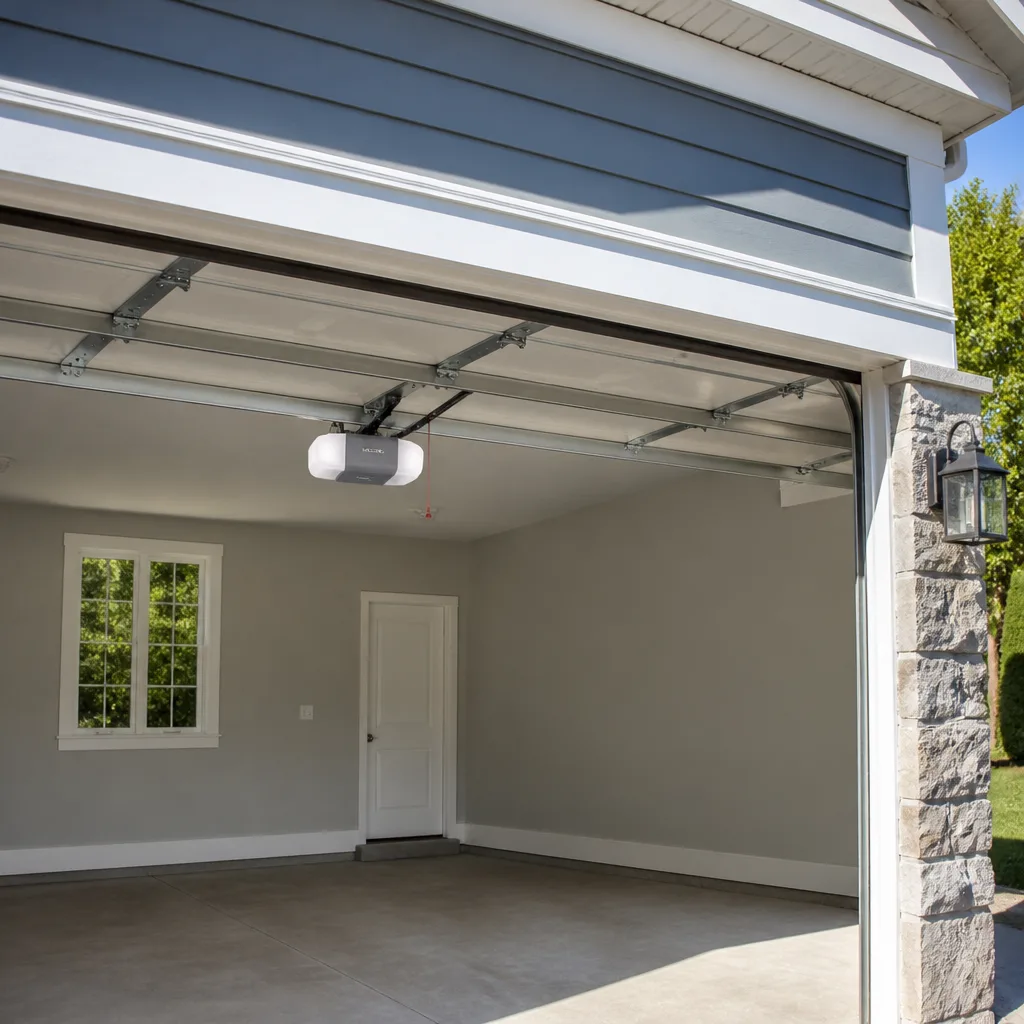 Chamberlain openers
Full 25-point door and opener safety check with every visit - springs, cables, rollers, tracks, and your LiftMaster or Chamberlain opener included
You get a price before we start. It does not change when the pro arrives.
Get your free estimateChoosing the Right Garage Door Brand: A Buyer’s Guide for Middletown Township
Every major garage door brand makes a good product and a mediocre one. The name stamped on the panel doesn’t tell you whether the steel skin is 24-gauge or 27-gauge, whether the core is polyurethane or polystyrene, or whether the hinges and rollers will still move freely after a decade of Monmouth County weather. Those specs do. A brand is a promise, not a guarantee, and the promise is only as good as the worst component in the assembly. This guide teaches you how to read a specification sheet instead of a showroom display, how to judge a warranty by its exclusions, and how to pick a door in Middletown Township that you’ll still be able to get parts for down the road. Mention the town once, and here it is: everything below is written from inside Middletown Township, by people who work on these doors every day.
Quick Answer
The “best” garage door brand for Middletown Township is the one whose spec sheet shows a 24- or 25-gauge steel skin, a polyurethane core in the panels you’ll touch most, and a hardware line that’s still stocked ten years from now. Clopay, Amarr, and Wayne Dalton all make doors that clear that bar at different price points; so do several others. Brand loyalty tells you almost nothing. Material and construction detail tell you everything, and that’s what this guide walks through.
Styles & brands we work with
- Raised-panel steel
- Carriage house
- Modern flush
- Full-view glass
- LiftMaster openers
- Chamberlain openers
Table of Contents
- The Three Specs That Determine Long-Term Performance
- How to Compare Brands Using Spec Sheets, Not Star Ratings
- Which Door Materials Make Sense for Monmouth County’s Climate
- Warranty Literacy: Reading the Fine Print
- How Brand Choice Affects Parts Availability Years Later
- Opener Compatibility: Don’t Ignore the Other Half of the System
- A Step-by-Step Method for Choosing a Door
- What Installation Requires in Middletown Township
The Three Specs That Determine Long-Term Performance
When a garage door fails early, it’s rarely because the brand was wrong. It’s because one of three specs was inadequate for the environment. In Monmouth County, all three get tested: humidity swings, freeze-thaw cycles, and summer heat that works the panels and hardware hard. Here’s what to look at on the sheet.
1. Steel gauge. The lower the gauge number, the thicker the steel. A 24-gauge skin is meaningfully more durable than 27-gauge, and most of the difference shows up in dent resistance and how well the door holds its shape over the years. Ask for the gauge in writing. If it isn’t on the spec sheet, it’s usually the thinner one.
2. Insulation type, not just R-value. A door can advertise R-13 with either a polystyrene core (beadboard foam) or a polyurethane core. Polyurethane gives more R-value per inch, bonds to the steel skin for structural stiffness, and resists moisture absorption better. Polystyrene is cheaper and fine for an unheated detached garage, but for an attached garage under living space, polyurethane is the better long-term call. R-value is a score, and scores can be gamed; construction is what holds up.
3. Hardware grade. Hinges, rollers, and the bottom bracket are where cheap doors show their age first. Nylon rollers outlast steel rollers. Heavy-gauge hinges hold alignment. This is also where brand choice matters for parts, which we’ll get to below.
How to Compare Brands Using Spec Sheets, Not Star Ratings
Online star ratings for garage doors are close to useless. They measure the buying and installation experience far more than the door, and they don’t tell you whether the steel is 24-gauge or whether the warranty covers the finish. Here’s a practical method for comparing Clopay, Amarr, Wayne Dalton, or any other brand side by side using only spec sheets and a notepad.
- Collect three spec sheets for doors in the same price band. Not the same brand, the same price band. Now you’re comparing construction, not marketing budgets.
- Write down the steel gauge for each panel skin. The thicker skin (lower number) usually wins on long-term durability in a climate with volatile humidity.
- Note the core material. Polyurethane versus polystyrene. Which panels have the core and which don’t.
- Check the hardware list. Roller type, hinge material, and whether the bottom bracket is standard or upgraded. Cheaper doors skimp here first.
- Read the warranty page in the spec sheet, not the brochure. We’ll cover what to look for in a moment.
- Ask the installer what fails on this model. A specialist who works on doors every day will tell you which models come back for a repair, and it’s rarely the ones with the best brochure photos.
Run that comparison on any door you’re considering and the marketing noise falls away fast. Two doors priced within $200 of each other can differ by a gauge in the skin and an entire class of insulation. Our own garage door repair work keeps showing us which models hold up and which don’t, and it’s a short list of specs that does the deciding.
Which Door Materials Make Sense for Monmouth County’s Climate
Material choice is a bigger deal than brand. Each material behaves differently under the humidity swings and temperature movement that Monmouth County sees through the year, and some choices are quietly expensive to live with.
Steel
Steel is the practical default for most Middletown Township homes: strong, affordable, and available insulated. The limitations are dents on the bottom panel and finish wear from weather. Look for a factory-applied finish with a real warranty against cracking and flaking. Steel doors are repairable, which matters when it’s time to fix rather than replace.
Wood composite
Wood composite gives a warm, natural look without the maintenance of solid wood. It resists moisture better than solid wood because of how it’s manufactured. It’s a good middle path for homeowners who want the look of wood without the annual repainting. Weight is higher than steel, so confirm the opener and springs are sized for it.
Aluminum
Aluminum won’t rust, which is why it’s popular on the coast. But aluminum dents more easily than steel and is usually less insulated. It’s realistic for a detached garage or a low-use door, less so for a daily-use attached garage where insulation matters. Match the material to the job, not to the catalog photo.
Fiberglass
Fiberglass is lightweight and offers good impact resistance and a smooth finish, often used on overhead doors in lighter designs. It’s less common on a full-sized residential door because it can be less rigid across a wide opening, and it can crack under a heavy impact. It’s a sensible option when door weight is a concern.
For most Middletown Township homeowners, insulated steel in a 24- or 25-gauge skin is the realistic answer. Wood composite is the upgrade if you want the look. Aluminum and fiberglass are situational, and a good specialist will tell you which situations.
Warranty Literacy: Reading the Fine Print
“Lifetime warranty” is the single most misleading phrase in the garage door world. On the major brands sold in New Jersey, a lifetime warranty typically covers panels against manufacturing defects, on a sliding scale that drops the payout year by year, and it often excludes the parts that actually fail first: springs, rollers, hinges, and labor. Read the warranty in the spec sheet, not the brochure. Here’s what to check.
- What’s covered and for how long. Panels versus hardware versus finish. These usually have different terms.
- The prorated schedule. Many “lifetime” warranties prorate over the first several years, then hit a floor. You want to know what that floor pays.
- Exclusions for labor. A lifetime parts warranty that requires a paid technician visit every time the part fails is a partial promise, not a full one.
- Transferability. Warranties that transfer to the next owner add real value if you sell the home. Not all do.
- Finish warranty. This is one of the ones that matters in a humid, freeze-thaw climate. Ask what happens if the finish cracks.
A long warranty isn’t automatically a good warranty. A 10-year warranty with clear coverage of what fails beats a lifetime warranty with a dozen exclusions. Ask for the warranty page in writing before you buy, and compare those pages across brands the same way you compared spec sheets.
How Brand Choice Affects Parts Availability Years Later
Here’s the part of brand selection most buyers never consider: what happens when the door needs a spring, a panel, or a hinge five years from now. Brand choice is a long-term commitment to the supply chain, not just the showroom. A door that looked like a bargain can turn into a genuine headache once it’s out of warranty and needs parts.
Established brands like Clopay, Amarr, and Wayne Dalton have broad dealer networks, and their common models keep panels and springs available for a long time. Obscure import brands don’t have that backstop. When a panel is damaged or a spring fails on an import, the parts often come from overseas with long lead times, if they’re available at all. A homeowner can end up paying a premium for a door that was supposed to save money.
Springs are the specific part to think about here. Garage door springs are sized to the door’s weight and travel, and they’re replaced more than almost any other component. Our work on garage door spring repair routinely runs into doors where the spring size is non-standard, and the fix is to order the right one rather than force a near-fit. That works, but it takes longer. A door from a brand with a stocked parts chain gets you back up and running faster, which matters when the garage is your main entry point. When you’re comparing brands, ask the installer: “if this door needs a spring in five years, can you get the right one locally?” The answer tells you more about the brand than any brochure.
The same logic applies to panels. A front-end dent on a door with a standard panel size is a repair. On an odd-sized import, it can become a full replacement.
Opener Compatibility: Don’t Ignore the Other Half of the System
Brand selection doesn’t stop at the door. The opener matters just as much, and the two need to be treated as a system. A heavily insulated steel door is heavier than an old aluminum one, and the opener and its springs need to be sized for the new weight. An opener that was fine for the old door can be undersized for the new one, and that leads to premature wear on the opener, the springs, or both.
The most common openers in Middletown Township homes are LiftMaster, Chamberlain, Genie, Craftsman, and Raynor. All are serviceable, and each has its quirks. Genie openers, for example, have their own logic for force and travel-limit adjustments, and a technician who works on them regularly knows the pattern. When your opener is failing rather than your door, our garage door opener repair service is the same single-trade call; the door and the opener are one system from our point of view, and we want to look at both before recommending a new door.
When you choose a new door, mention the existing opener brand and model to your installer. The door brand that fits your opener is often the one that needs fewer parts swaps to make the system work correctly. Because we work on the brand already in your garage, we can usually tell you in a single visit whether the existing opener can be reused or needs replacing alongside the door.
A Step-by-Step Method for Choosing a Door
This is the method we’d use ourselves if we were buying a door in Middletown Township. It takes about a week of evenings and it saves years of regret.
- Measure the opening first. Not the door. The rough opening, the headroom, and the side clearance. Most brand catalogs have doors that fit, but only one size class will work, and knowing it up front avoids wasted trips.
- Decide the material and insulation based on the garage’s use. Attached garage under living space? Polyurethane core. Detached, unheated garage? Polystyrene is fine. Match the spec to the job.
- Narrow to three brands in your price band. Pull the spec sheets and compare steel gauge, core material, and hardware line by line.
- Check the warranty page for exclusions and prorating. Compare those pages, not the brochures.
- Confirm parts availability for the model you’re considering. Ask the specialist how long springs and panels for that model are realistically available.
- Get a written, itemized estimate before anything is ordered. A door involves a measure, a manufacturer lead time, and a scheduled install. The written estimate is the price; it should show the door model, the hardware, the opener interface, and the install scope.
- Schedule the installation and the follow-up spring check. New doors break in over the first weeks. A short recheck catches travel-limit and balance issues before they become repairs.
The door that wins on that method is sometimes not the brand you walked into the showroom expecting to buy. That’s fine. It’s the door that fits your garage and your climate.
What Installation Requires in Middletown Township
Installation is where a good door becomes a good garage door system, or doesn’t. There’s a measure phase, an ordering phase, and an install phase, and rushing any of them costs more later. The measure is done in person, the door is ordered from the manufacturer to fit, and the install is scheduled once the door arrives. A specialist runs the full sequence; a big-box installer runs the form and hands off the details.
In our experience in Middletown Township, most of the surprises happen at the measure: an opening that’s out of square, a low headroom that forces a low-clearance kit, or an opener that needs a different track radius. Catching those at the measure is what separates a clean install from a return visit. If you already have a name-brand door or opener, mention it at the estimate; we work on the brand already in your garage, and the install plan is easier to get right when we know the system on both sides. Our Middletown Garage Door Repair Pros team handles the full lifecycle, from diagnosis through new-door installation, so you’re not looking for a second contractor when the job spans more than one call.
Common Mistakes to Avoid
- Choosing by brand name alone. Every major brand sells a good door and a cheap one. The spec sheet under the price tag matters more than the badge on the panel.
- Reading the warranty brochure instead of the warranty page. The brochure describes the paper; the warranty page describes the coverage and exclusions. Read the page.
- Ignoring the opener when buying a heavier door. A well-designed door with an opener that can’t handle the weight will wear out its springs faster. Size the opener for the new door.
- Buying an import to save a little on the front end. A few years down the line, a spring or panel that can’t be sourced locally can cost more than the original savings.
- Skipping the in-person measure. A remote measure based on a rough tape reading is one of the most common causes of a return install visit in this area.
- Choosing a material from the catalog, not the climate. Uninsulated aluminum in an attached garage under a living space is a mismatch, no matter how good the photo looks.
- Trusting an online star rating for a door. Ratings measure the buying experience more than the product. Ask the installer which models come back for repair.
See the difference
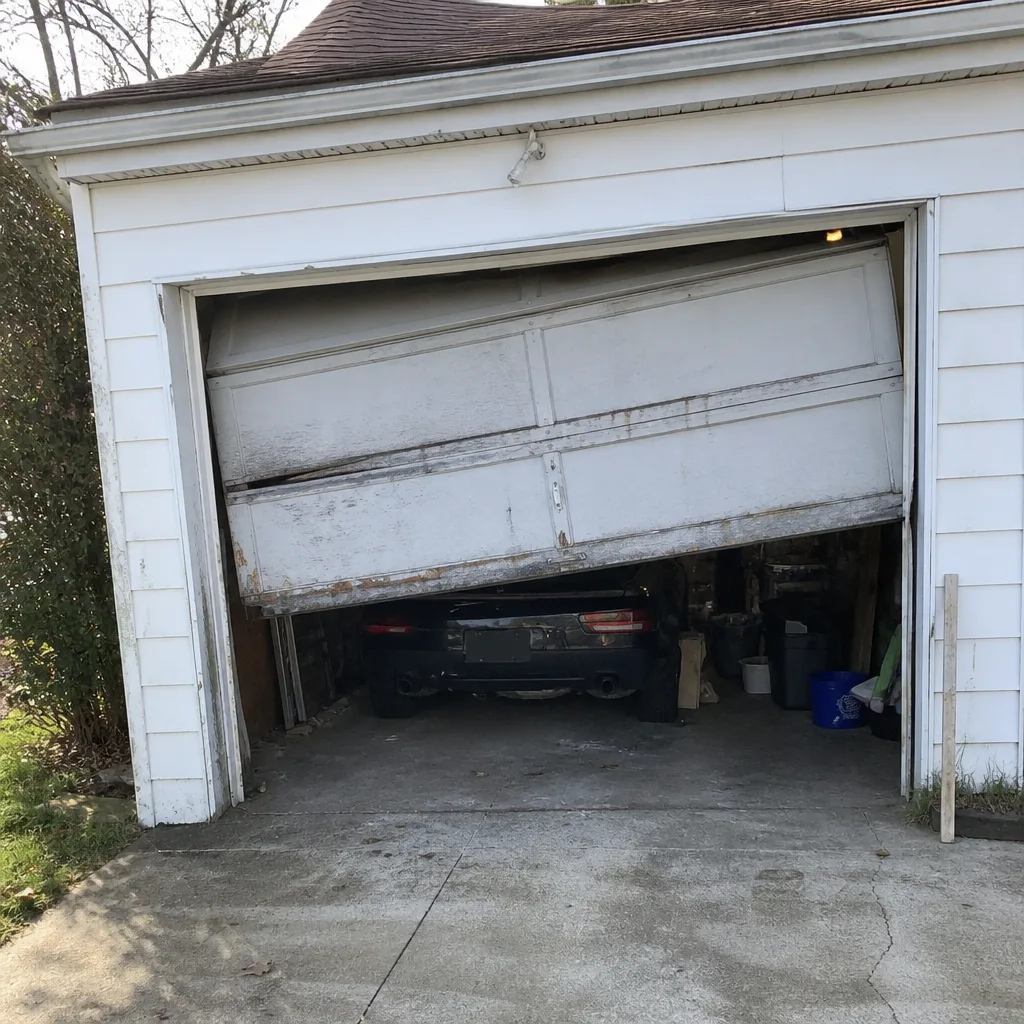 Before
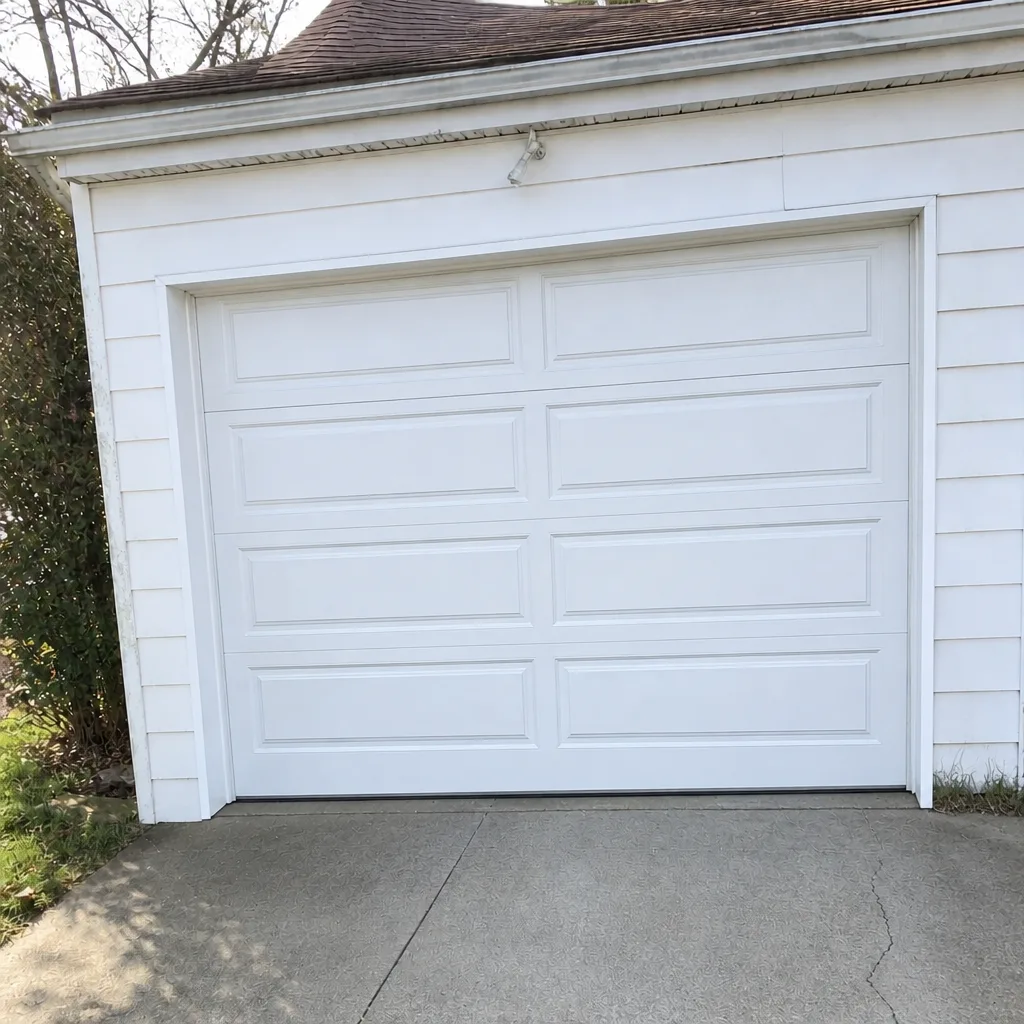 After
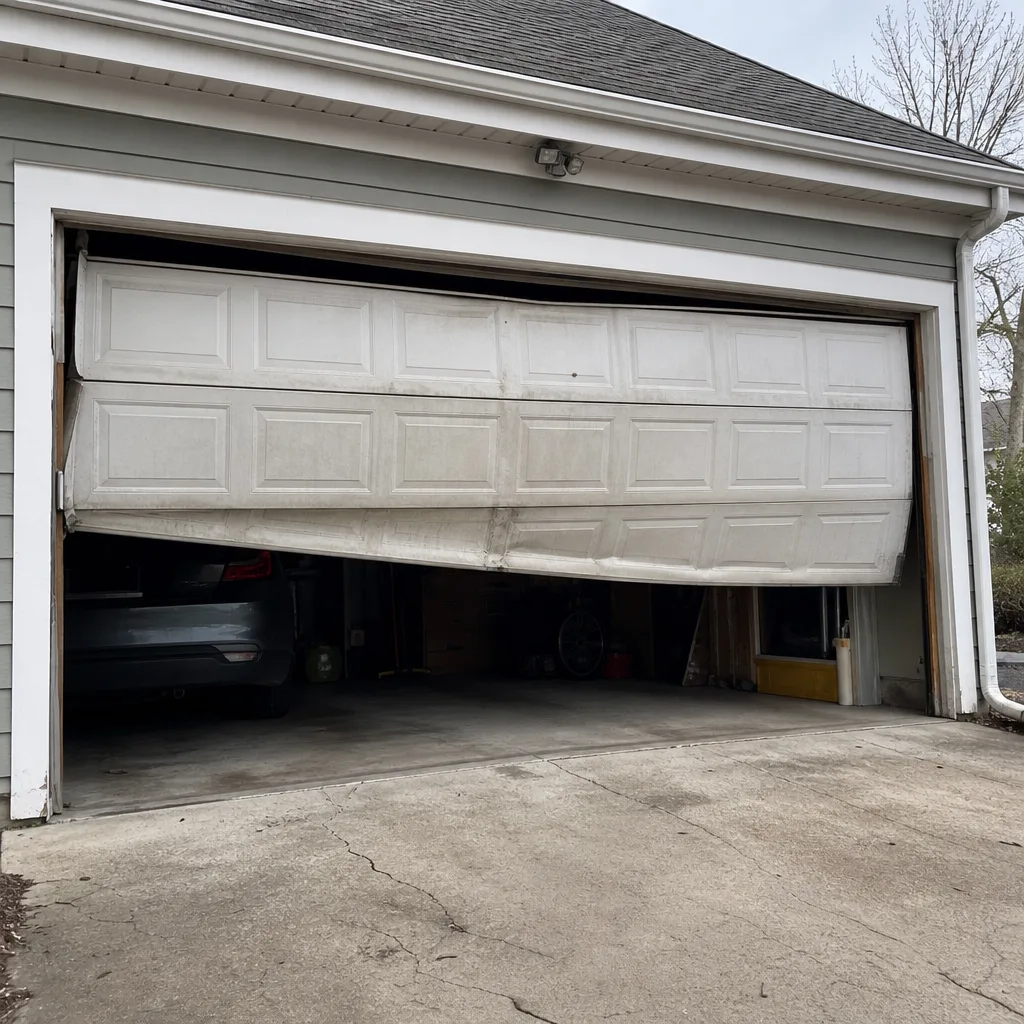 Before
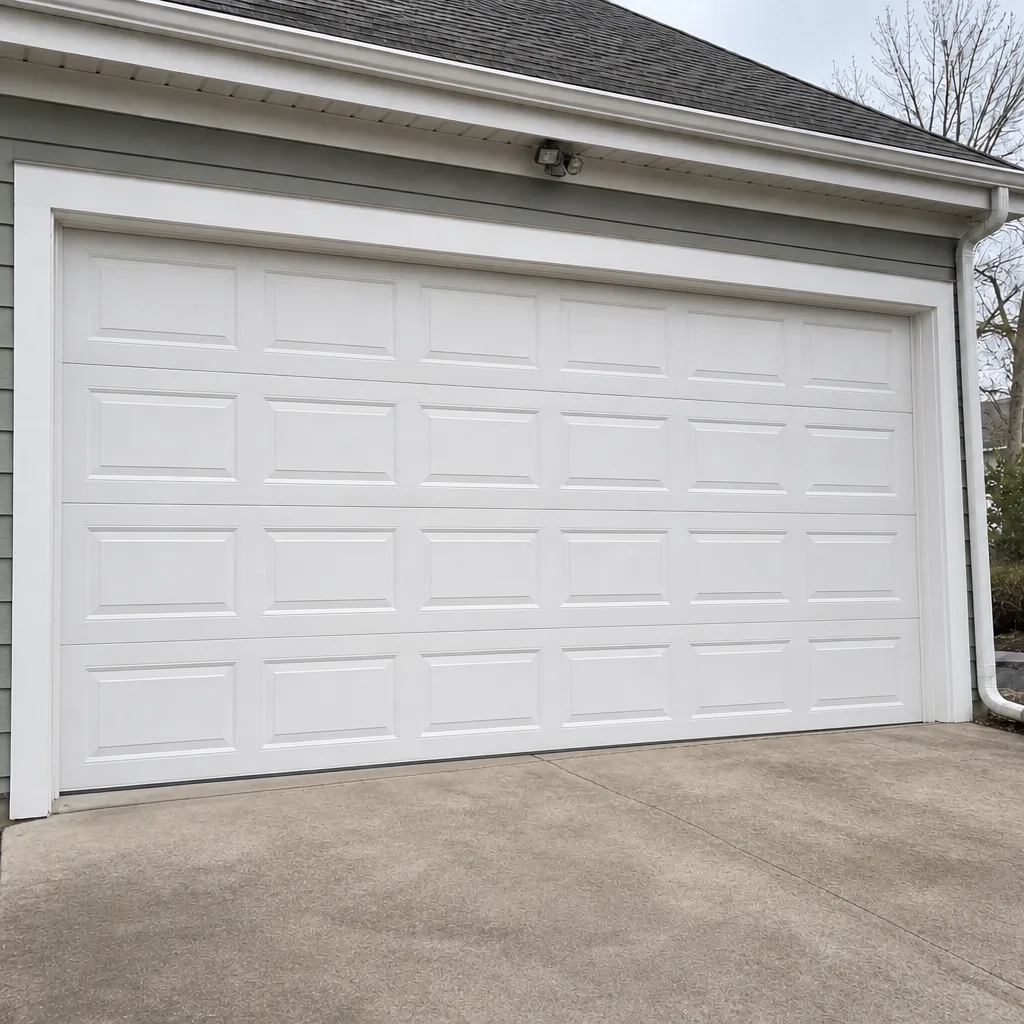 After
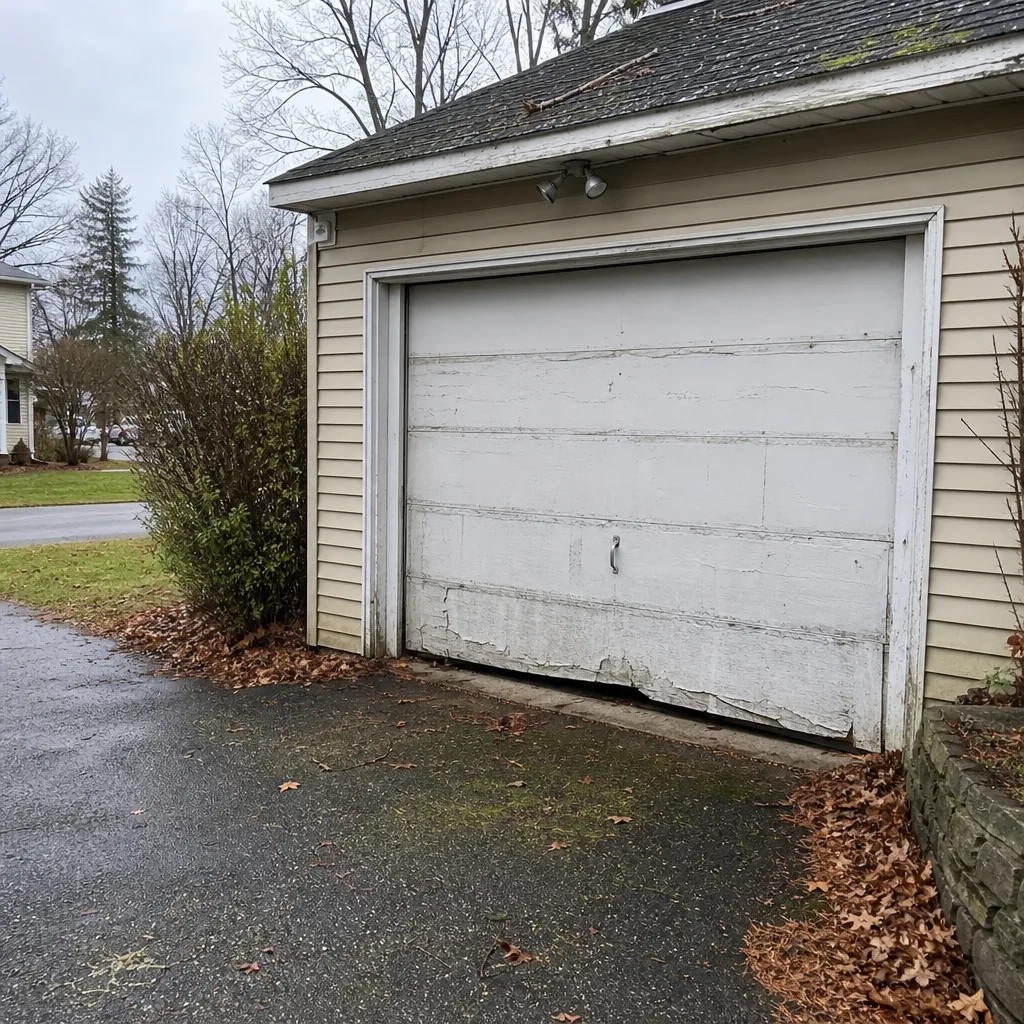 Before
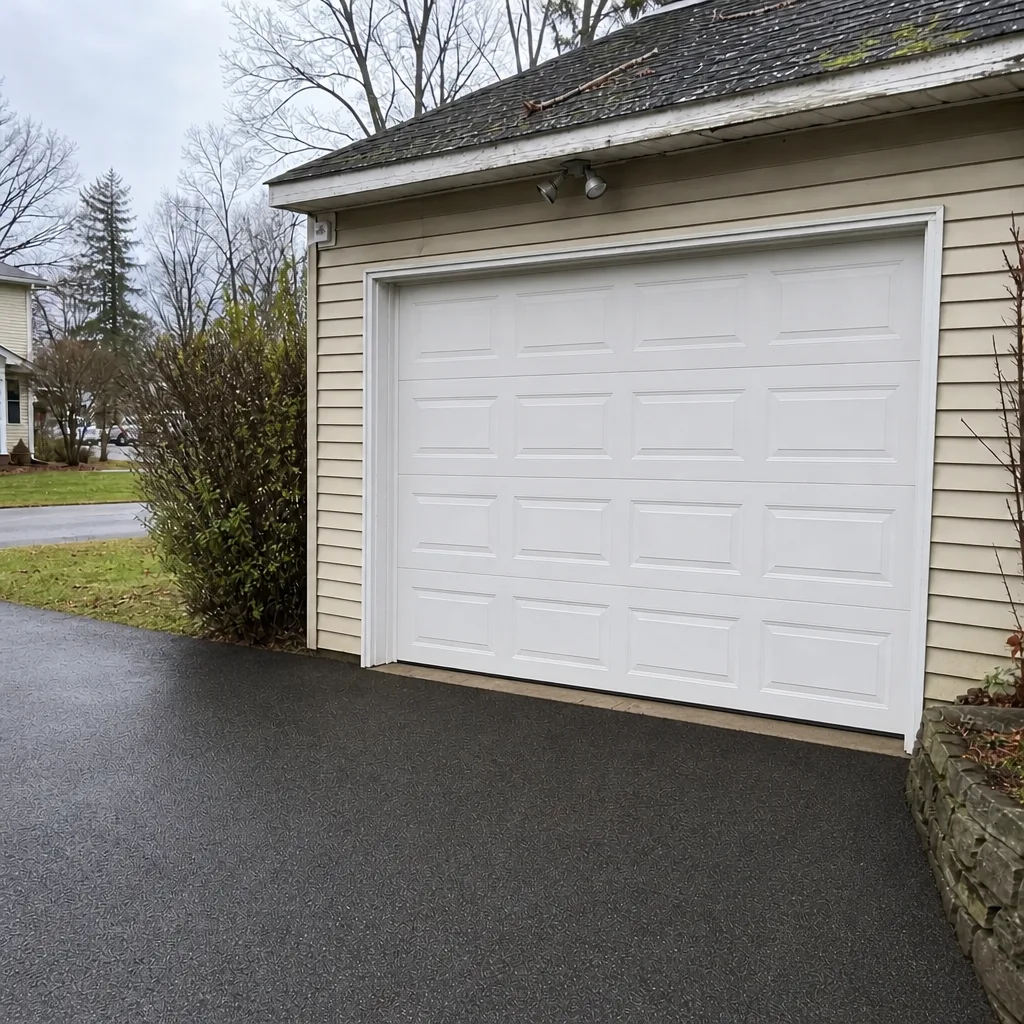 After
When to Call a Professional
Some of this guide is a DIY-friendly read, and some of it isn’t. Anything that involves the springs, cables, bottom bracket, or the steel under torsion is a job for a trained professional. What we’d flag for a call: a door that jumps or slams on the way down, a spring that’s visibly broken or quiet, a door that won’t stay in the up position, a cable that’s come off its drum, an opener that reverses on contact, panels that are separating from the frame, and a new door that needs sizing and installation. If your garage is your main entry and the door won’t open or close, our emergency service is available when the failure creates a security or access problem. Middletown Garage Door Repair Pros offers free estimates in Middletown Township – call (855) 425-4845. Our technicians have up to 13 years of experience, and the price is quoted and agreed before any work starts.
Frequently Asked Questions
There’s no single best brand. The brand that fits your garage is the one whose spec sheet shows a 24- or 25-gauge steel skin, an appropriate insulation core, and a hardware line with parts that can be sourced locally. Clopay, Amarr, and Wayne Dalton all make doors that meet that bar at different price points. Compare the specs, not the logos.
For most attached garages in Middletown Township, insulated steel is the practical choice: strong, repairable, and well-insulated with a polyurethane core. Wood composite is the upgrade when you want a warmer look and can take on slightly more maintenance. Call (855) 425-4845 for a free estimate and we’ll show you the difference in specs and price side by side.
On most major brands sold in New Jersey, a lifetime warranty covers panels against manufacturing defects on a prorated schedule and often excludes springs, rollers, hinges, and labor. Read the warranty page in the spec sheet, not the brochure, and check the prorating schedule and the exclusion list. If you’d like a hand comparing two warranties, call (855) 425-4845 for a free estimate.
Sometimes up front, rarely over the life of the door. An import door that’s thousands less in the showroom can cost more when a spring or panel has to be ordered with a long lead time. Spring sizing in particular gets tricky on non-standard doors. The savings tend to vanish the first time the door needs a repair.
Ask each brand for the spec sheet for the model you’re considering and put three of them side by side: steel gauge, core material, hardware list, warranty terms. If a brand won’t share the specs, that’s an answer too. A local specialist can also tell you which models come back for repair, which is worth more than any showroom display. Call (855) 425-4845 for a free estimate in Middletown Township.
It depends on the scope, and the answer belongs to your town’s building department rather than the door brand. A like-for-like replacement and a new door in a new opening aren’t the same job. Call the building department and ask before you order, and we’ll tell you what our side of the job looks like so the permit question is easy to answer.
The Bottom Line
Brand selection matters less than material and construction. Read the spec sheet: steel gauge, core material, hardware list, warranty page. Confirm that the model you’re considering is likely to have parts available locally years from now, and treat the opener and the door as one system. In a climate with humidity swings and freeze-thaw cycles, those details decide whether the door lasts. If you want a second opinion before you buy, that’s exactly what a free estimate is for. Middletown Garage Door Repair Pros offers free estimates in Middletown Township – call (855) 425-4845. The price is quoted and agreed before any work starts, and our technicians have up to 13 years of experience.
Written by the team at Middletown Garage Door Repair Pros.