Last updated November 21, 2026
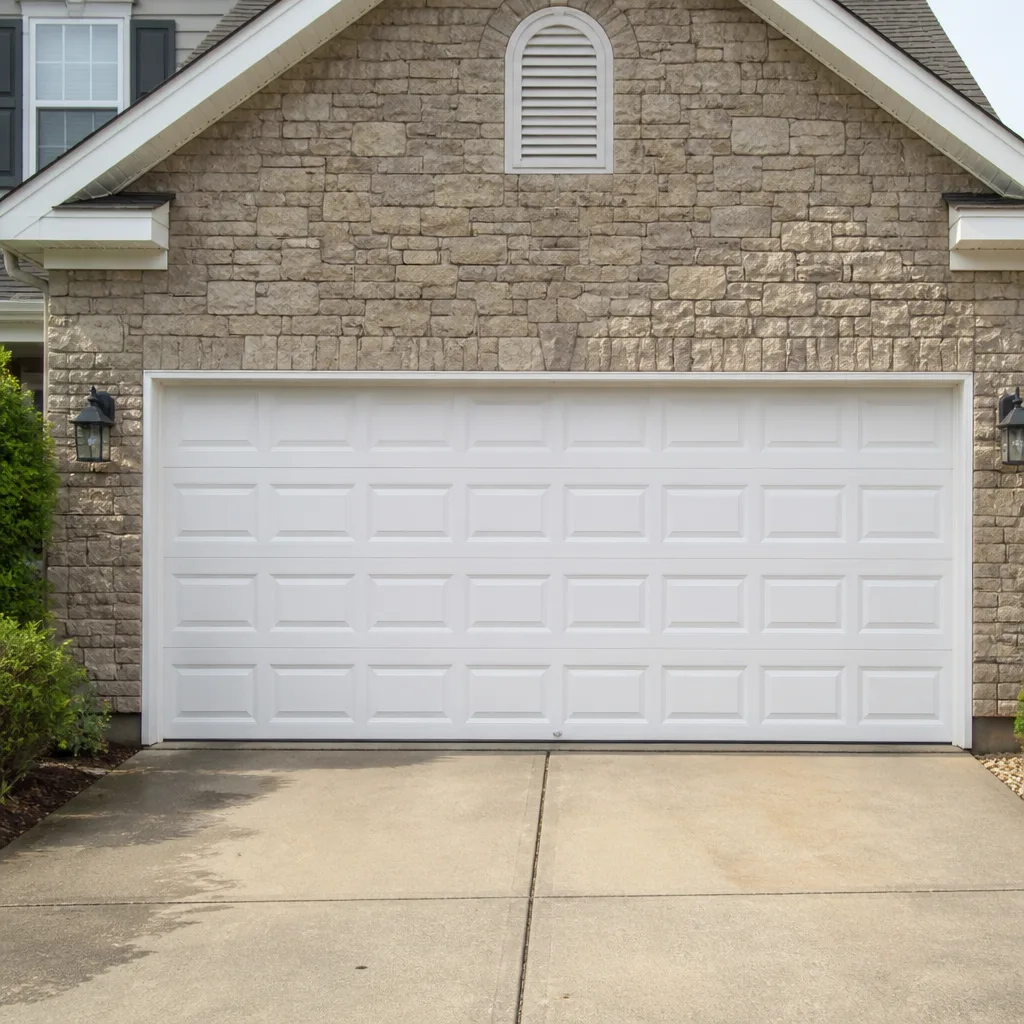 Raised-panel steel
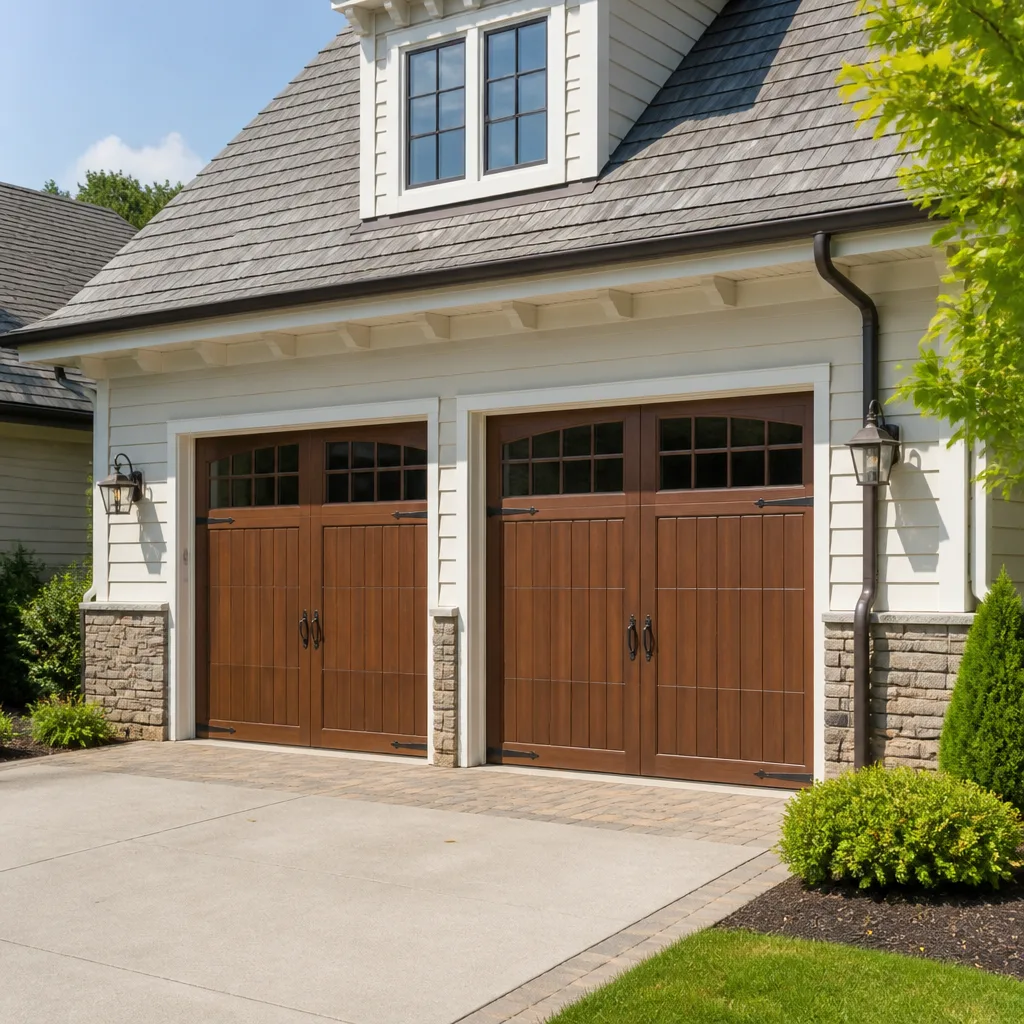 Carriage house
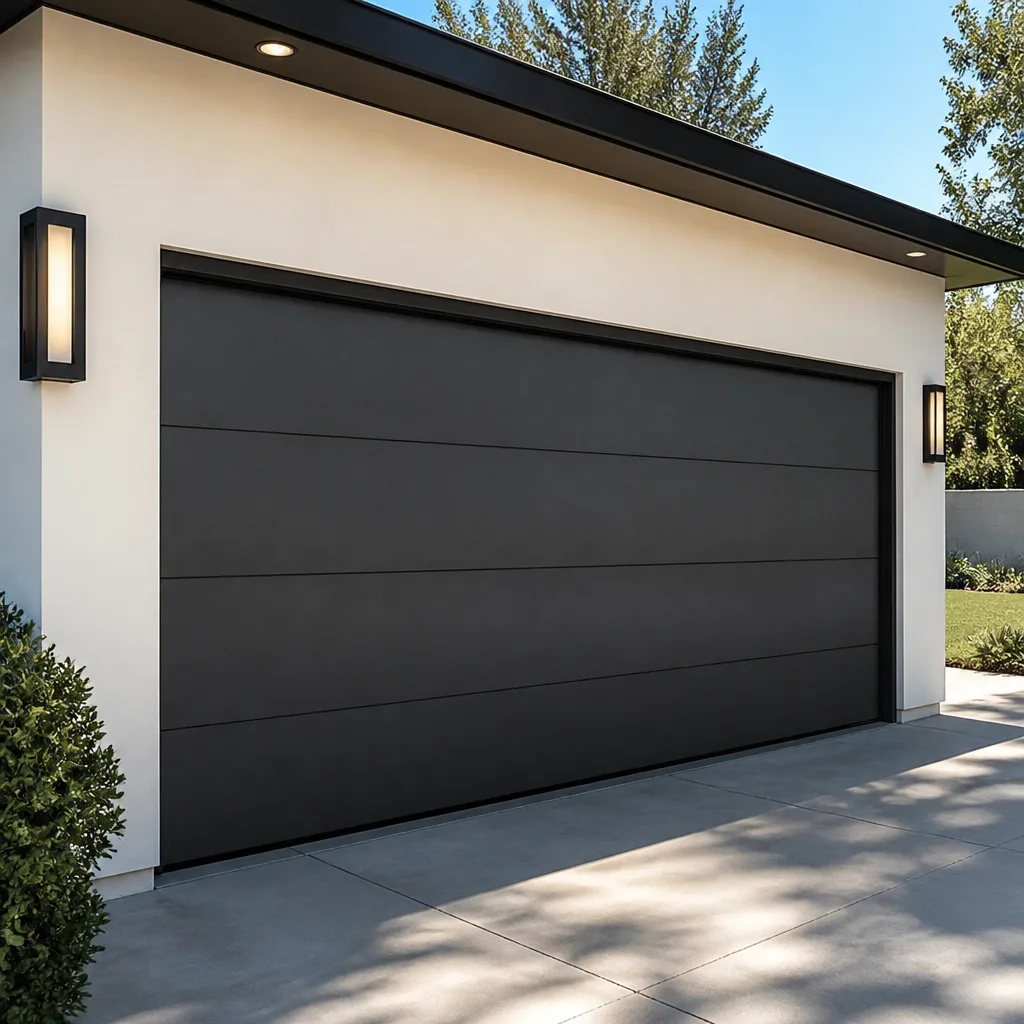 Modern flush
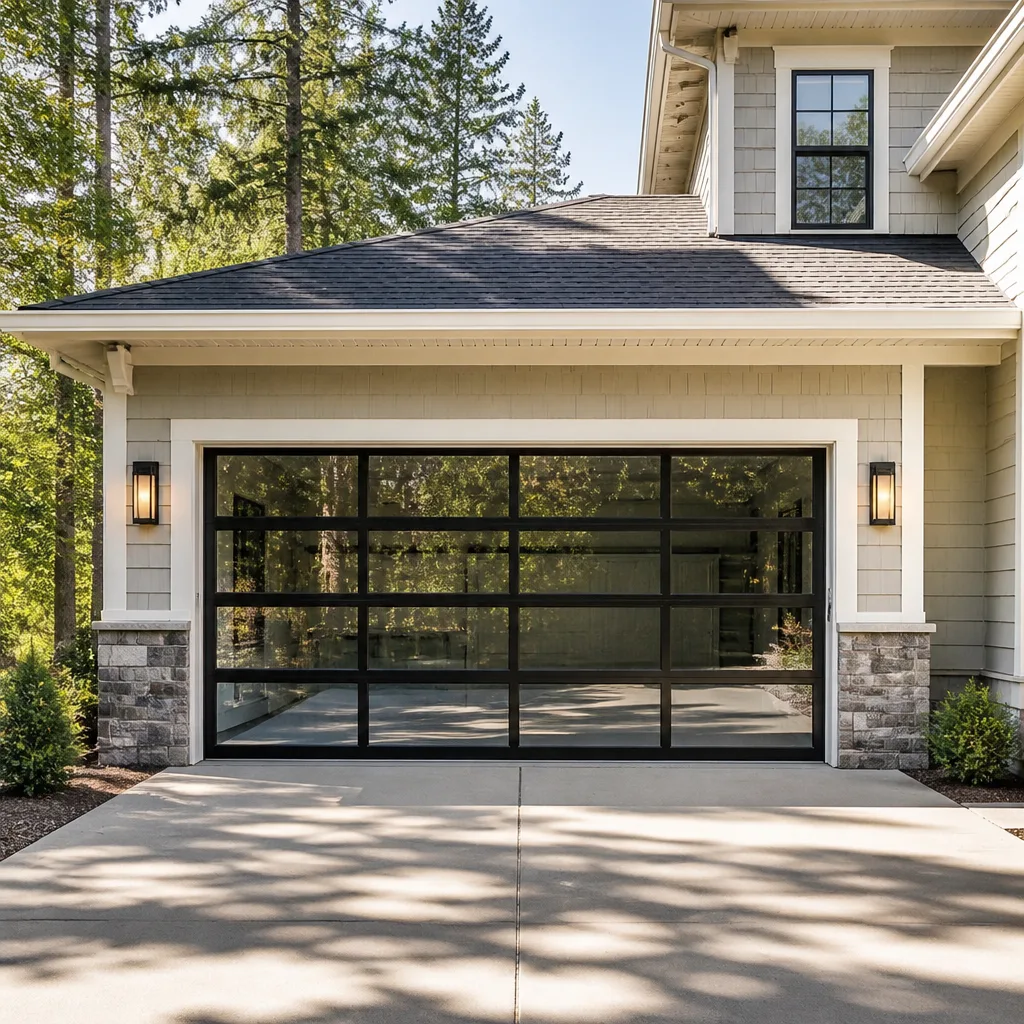 Full-view glass
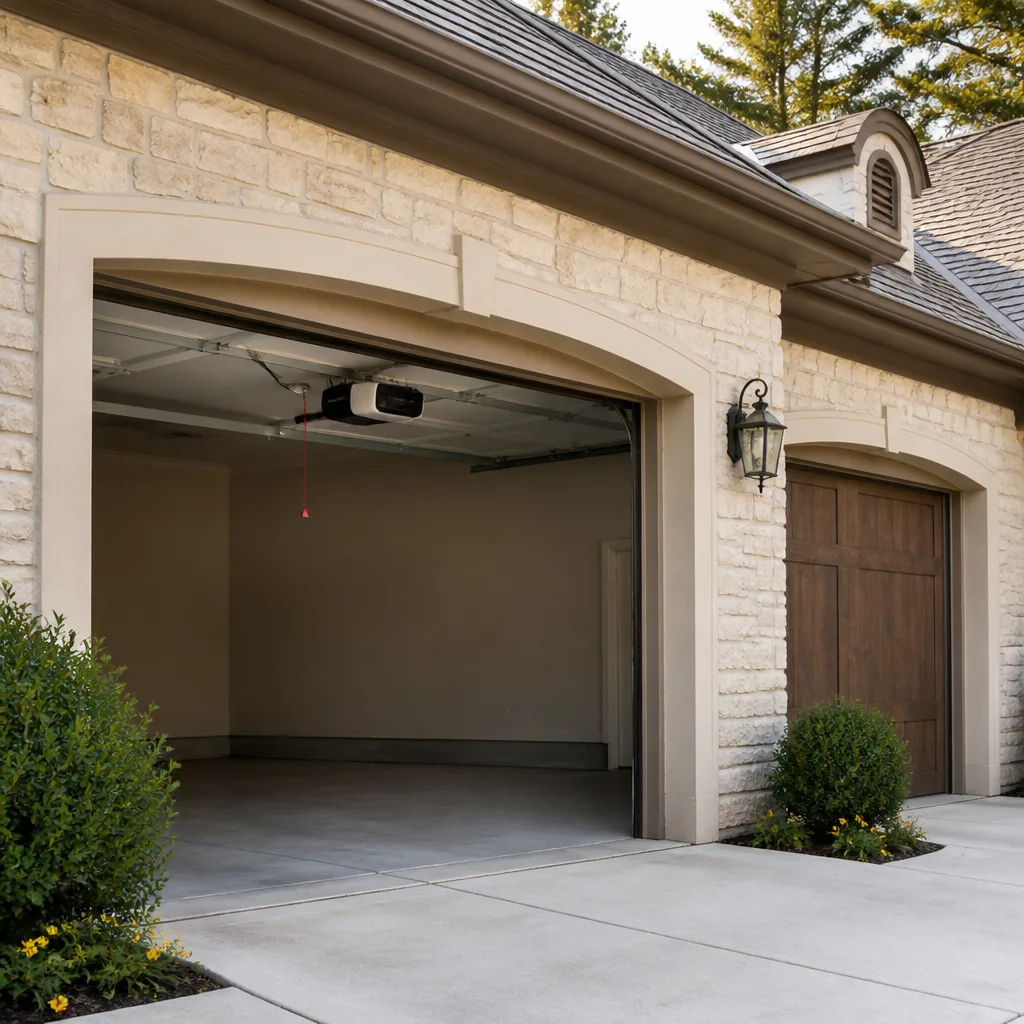 LiftMaster openers
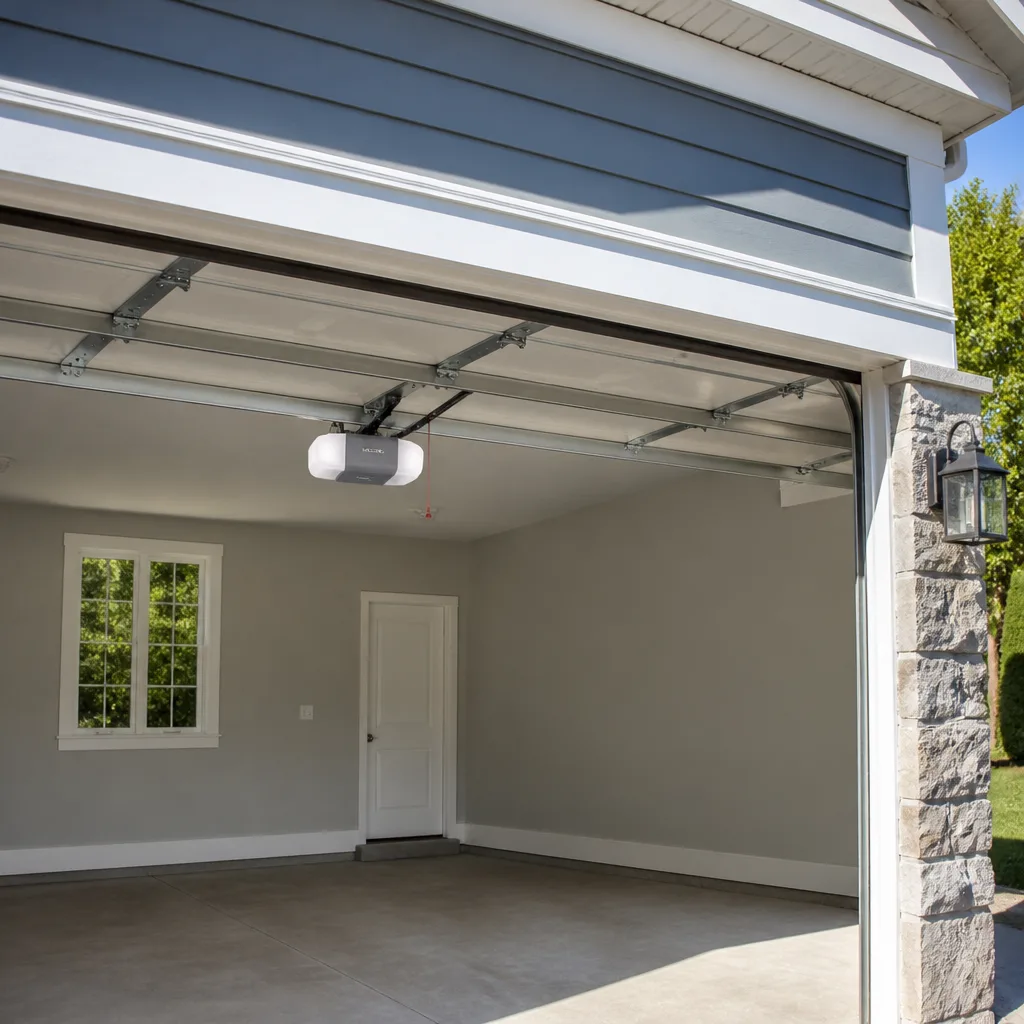 Chamberlain openers
Full 25-point door and opener safety check with every visit - springs, cables, rollers, tracks, and your LiftMaster or Chamberlain opener included
You get a price before we start. It does not change when the pro arrives.
Get your free estimateGarage Door Repair Troubleshooting in Middletown Township: Common Problems and How to Fix Them
A garage door that “just stopped working” almost never fails without warning. It gave signs first – a grind that showed up a few mornings in a row, a door that hesitated before closing, a remote that needed a second or third press. Most homeowners in Middletown Township only recognize those signs in hindsight, after the door is stuck open and the car is trapped inside. In this guide we’ll show you how to read the symptom instead of guessing part by part, which fixes are safe to try yourself, which ones aren’t, and what to have ready before you call a technician.
Quick Answer
Most garage door failures in Middletown Township fall into one of six mechanical categories: spring failure, cable failure, roller and track wear, opener faults, sensor and remote issues, and balance or alignment problems. You can often identify the category from the symptom alone – grinding points to rollers or bearings, a loud pop points to a spring, a door that reverses immediately points to sensors. Sensor and remote fixes are usually safe to handle yourself; springs, cables, and bottom brackets are not, and they need a trained technician on-site.
Styles & brands we work with
- Raised-panel steel
- Carriage house
- Modern flush
- Full-view glass
- LiftMaster openers
- Chamberlain openers
Table of Contents
- How Do You Diagnose a Garage Door Problem by Symptom?
- What Do Grinding, Popping, and Squealing Noises Mean?
- Which Fixes Are Safe to Do Yourself and Which Aren’t?
- Why Does Humidity and Storm Weather Break Garage Door Hardware?
- Is It the Opener or the Door? A Five-Minute Test
- What Happens When a Spring Fails, and Why It’s a Specialist Job?
- What Should You Document Before Calling a Technician?
- How Do You Keep a Garage Door Working in Middletown Township?
How Do You Diagnose a Garage Door Problem by Symptom?
You diagnose a garage door by matching the symptom to the component that produces it. A garage door is a fairly simple machine – panels, hinges, rollers, tracks, cables, springs, and an opener – and each part fails in a distinctive way. Grinding means metal-on-metal contact. Popping means stored tension releasing. A door that reverses the moment it touches the floor means the safety sensors are reading an obstruction. Learning to hear the difference saves you from pulling apart the wrong end of the system.
There are six mechanical categories worth knowing in Middletown Township homes:
- Torsion and extension springs – the counterbalance system. A spring failure usually means the door becomes too heavy to lift by hand, and you’ll often hear a sharp bang when it goes.
- Cables and bottom brackets – the high-tension side of the system. Cable failure shows as a door that hangs crooked or won’t travel evenly.
- Rollers, hinges, and bearings – the wear parts. Grinding, squealing, and a door that shudders on the way up point here.
- Tracks and alignment – the guide rails. Bends, gaps, and doors that jump the track all live in this category.
- Opener motor, drive, and logic board – the power system. Symptoms include a motor that hums but doesn’t move, a chain that sags, or a door that opens part-way and stops.
- Sensors, remotes, and wall controls – the safety and control system. This is the category with the most safe-do-it-yourself fixes.
The trick is to stop diagnosing part by part and start grouping. If the door moves under manual power but the opener can’t seem to move it, you’re in the opener category. If the door won’t move by hand either, you’re in the mechanical category. That single test cuts the list of suspects in half before anyone lifts a wrench. We’ve walked Middletown Township homeowners through this over the phone many times, and it usually takes under five minutes.
Once you know the category, you can talk to a specialist in the right terms. If the symptom points to the opener, that’s a garage door opener repair conversation, and the technician can bring the right parts for a LiftMaster or Chamberlain unit rather than making a second trip. If it points to cables or springs, it’s a different job entirely.
What Do Grinding, Popping, and Squealing Noises Mean?
The type of noise a garage door makes points to a specific failure. Grinding is the sound of metal dragging on metal – usually worn rollers or dry bearings. Popping is stored energy releasing, which almost always means a spring or cable. Squealing is friction, most often from hinges and rollers that have gone without lubrication. If you can identify the noise, you can skip straight to the right repair conversation.
Grinding
Grinding on the way up or down usually means the nylon rollers have worn through and the steel shaft is now rubbing on the track or the hinge. On older doors, the hinges themselves wear and start grinding against the panel. Grinding is usually a warning rather than a sudden failure – the door still works, but the wear accelerates. Left alone, grinding turns into a jumped track or a snapped hinge.
Popping
A single loud pop followed by a door that feels very heavy is the classic signature of a broken torsion spring. A series of smaller pops can mean a cable is slipping off a drum or a roller has broken. Either way, popping is the noise that means “stop operating this door” more often than any other. If you hear it, stop pressing the button and treat the door as out of service until a technician looks at it.
Squealing
Squealing is friction, and friction is lubrication. Hinges, rollers, and the opener’s chain or belt all develop a squeal when they dry out. In Middletown Township, the combination of warm summers and cold winters means the factory lubrication on hinges tends to dry out within two or three seasons. This is one of the few categories where a homeowner fix is both safe and effective.
Banging or Rattling
Loose hardware – hinges, bolts, the opener’s mounting bracket – rattles. So does a door that’s come slightly out of balance. If the rattle gets worse over a few weeks, tighten what you can see, and if it continues, have a technician check the balance and the mounting.
Humming With No Movement
A hum without movement is an opener symptom, not a noise symptom. The motor is trying to run but the drive isn’t engaged, or the logic board is confused. That’s covered in the opener-versus-door test further down.
Which Fixes Are Safe to Do Yourself and Which Aren’t?
The line between safe and unsafe garage door work is drawn at stored tension. Anything that involves the springs, the cables, or the bottom brackets holding them is professional-only work, because the system is under enough stored force to cause serious injury if it releases unexpectedly. Sensors, remotes, wall controls, and lubrication sit on the safe side of the line and are reasonable for a homeowner to handle.
Safe for a homeowner
- Cleaning and realigning the safety sensors at the bottom of the tracks.
- Re-pairing remotes and keypads, and replacing remote batteries.
- Lubricating hinges, rollers, and the opener’s chain or screw drive with a garage-door-specific lubricant.
- Tightening visible bolts on hinges and the opener’s mounting bracket.
- Clearing obstructions from the track (leaves, toys, packaging) with the door fully closed and the opener unplugged.
- Testing the door’s balance by hand with the opener disengaged.
Professional-only
- Replacing torsion or extension springs.
- Replacing or re-spooling cables.
- Replacing bottom brackets and drums.
- Straightening or replacing bent track sections that carry tension.
- Any work on the opener’s internal drive, gears, or logic board.
Why the line exists
A torsion spring on a standard two-car door holds enough tension that a slip of a winding bar can throw a person off a ladder. A cable under tension can whip with serious force if the bracket lets go. That’s not a scare tactic – it’s the reason spring work sits at the top of the risk list in this trade and why we treat it as a specialist job, not a generalist one. The homeowner-safe list above is real and worth doing. The professional-only list is real too, and the simplest way to stay safe is to leave it to a technician.
Why Does Humidity and Storm Weather Break Garage Door Hardware?
Middletown Township’s humid summers and wet winter cycles wear out garage door hardware faster than the dry-climate guides assume. Metal parts go through constant moisture swings from June through September, and the freeze-thaw pattern in winter works hinges and bolts loose. That means a door installed in a drier climate might last ten years between roller replacements, while a door in Middletown Township often needs attention sooner.
Here’s what we see most often in the area:
- Rollers wear faster. Nylon rollers absorb moisture and lose their smooth surface, which is one reason grinding shows up on doors here earlier than on door hardware in drier regions.
- Hinges seize and squeal. Hinges are the pivot points on each panel joint. When they dry out, the friction shows up as a squeal on the way up. Lubricating hinges once or twice a year is the single most useful preventive step for a Middletown Township door.
- Bolts and brackets loosen. Seasonal expansion and contraction of wood frame garages and attached garages work bolts loose over time. A yearly check of the mounting bracket on the opener and the bolts on the hinges catches most of this.
- Bottom seals and weatherstripping degrade. The rubber seal at the bottom of the door can crack in the summer heat, which then lets water in during storms. If your garage floor pools after heavy rain, the seal is worth replacing on schedule.
- Cables and springs corrode. The steel cables and springs on any door are vulnerable to surface corrosion. Keeping them clean and dry helps, but the fatigue that eventually breaks a spring is mostly cycle-based, not weather-based – a door that opens four times a day wears its spring faster than a door that opens once.
Humidity is why lubrication matters more here than the manufacturer’s general schedule suggests. A light coat of garage-door-specific lubricant on the hinges and rollers every fall and spring is cheap insurance and takes about ten minutes. We recommend avoiding WD-40 or general-purpose oils, which attract dust and dry out quickly.
Is It the Opener or the Door? A Five-Minute Test
You can isolate whether the opener or the door is at fault with one test: disengage the opener and try lifting the door by hand. If the door lifts easily and stays where you leave it, the door and springs are healthy and the opener is the problem. If the door feels heavy, won’t lift, or slams down, the door’s mechanical system is the problem and the opener is innocent.
The disconnect test, step by step
- Close the door fully with the opener.
- Pull the red release cord hanging from the opener carriage. You’ll hear it click. This disengages the door from the opener’s drive.
- Lift the door by hand from the bottom center. A properly balanced door lifts with moderate effort and stays put when you let go halfway up.
- Push it back down slowly. A balanced door lowers smoothly without slamming.
- Re-engage the carriage by running the opener until it clicks back into the door arm, or by pulling the cord again as the door moves.
Reading the result
- Door lifts easily, opener won’t move it: the opener is the problem. Common causes are a stripped gear, a broken drive belt or chain, a failing logic board, or a travel-limit setting that’s drifted. This is garage door opener repair territory, and it’s usually a single component, not a whole-unit replacement.
- Door is heavy or won’t stay up: the springs or balance are the problem. The opener might be fine – it’s been forcing a sick door along until the strain finally stopped it. This is spring or cable work.
- Door reverses immediately: the sensors are the problem. See the sensor section below.
- Door opens part way and stops: either the travel limits have drifted, or the opener’s force sensing is tripping because the door is dragging. Check the manual release first; if the door binds when lifted by hand, it’s a door problem, not a board problem.
The test works for LiftMaster, Chamberlain, Genie, and Craftsman openers alike – the mechanical principle is identical across brands. If you can tell us the result, we can often tell you before we arrive which parts are worth carrying.
The sensor and remote quick checks
Sensors: look at the two small units at the bottom of the tracks. Each has an LED. If either is dark or the LED on one is amber and the other is green and blinking, the beam is broken or misaligned. Wipe the lenses, check for an obstruction, and adjust the brackets gently. Remotes: replace batteries, then re-pair following the opener’s manual for your brand. If the wall control works but the remote doesn’t, it’s almost always the remote or the pairing, not the opener.
What Happens When a Spring Fails, and Why It’s a Specialist Job?
A failed spring is the single most common cause of a garage door that won’t open, and the repair is the highest-risk job in the trade. Springs hold the door’s weight in balance so the opener only has to nudge it up and down. When a torsion spring snaps, the door becomes dramatically heavier and the opener can’t lift it. The sound is often a bang, and the door will sag or drop partway.
There are two common spring types on Middletown Township doors:
- Torsion springs mount on a horizontal shaft above the door. These are standard on most doors built in the last thirty years and are the type most commonly replaced.
- Extension springs run along the tracks on each side. They’re more common on older single-car doors and are typically equipped with a safety cable that runs through the spring to contain it if it breaks.
Springs are rated in cycles, not years, so a door that opens many times a day wears its springs faster than a door used once a day. That’s one reason a Middletown Township family with two drivers can go through a spring years before their neighbor with one car.
Why this isn’t a homeowner job
Replacing a torsion spring requires winding bars, specific knowledge of how many turns to apply for the door’s weight, and a steady hand on a ladder. The stored force is significant, and a slip can cause a serious injury. Extension springs carry their own risk if the safety cable has failed. That’s why we recommend treating spring failure as a specialist call rather than a weekend project – and why garage door spring repair is a core part of what we do rather than an afterthought.
What to do when a spring breaks
- Stop using the opener. Don’t press the button hoping it will fix itself.
- If the door is fully closed, leave it closed. If it’s open, don’t try to pull it down manually.
- Keep pets and kids away from the door until it’s checked.
- Call for service and describe the sound, the door position, and the spring type if you can see it.
If your door is stuck open and your garage is your main entry, treat it as an urgent call – the house is now open to the street. That’s the situation our emergency service is built for.
What Should You Document Before Calling a Technician?
Documenting four things before you call turns a diagnostic visit into a targeted repair. Write down the brand of the opener (the model plate is on the back or side of the unit), the door brand if you can see it, the exact symptom and when it started, and the result of the manual-release test. A technician can read those notes in thirty seconds and arrive with the right parts.
The checklist
- Opener brand and model. Look for a plate on the opener housing. Most Middletown Township homes have a LiftMaster, Chamberlain, Genie, or Craftsman unit; the model number lets us match the repair to the exact system.
- Door brand. Clopay, Amarr, and Wayne Dalton are common; the brand is often on a sticker on the bottom panel or the side frame.
- Symptom description. “Won’t open at all” is different from “opens partway and stops” and different again from “reverses immediately.” Be specific.
- When it started. Was it after a storm, after a power outage, after someone bumped the track, or completely out of nowhere?
- Manual-release result. Heavy or light? Stays up or drops?
- Door type and size. Single-car or double-car; sectional or one-piece.
With that in hand, the call takes two minutes and the technician knows whether to expect a spring, a sensor, an opener motor, or a roller set. It turns a diagnostic visit into a repair visit. If you’d rather just tell us what’s happening and let us sort it out, that works too. The more detail you can share, the faster we can get the right parts on the job.
How Do You Keep a Garage Door Working in Middletown Township?
A small amount of preventive maintenance keeps a garage door working through Middletown Township’s humidity swings and storm seasons. Lubricate hinges and rollers twice a year, test the sensors once a month, check the balance with the manual release, and replace worn rollers before they grind through to the steel. That routine costs almost nothing and pushes major repairs months or years down the road.
The monthly and seasonal checks worth adding to your calendar:
- Monthly: test the safety sensors by placing an object in the beam path and confirming the door reverses. Wipe the sensor lenses.
- Monthly: listen for new sounds. A new squeal, grind, or rattle is the cheapest warning sign you’ll ever get.
- Twice a year (spring and fall): lubricate hinges, rollers, and the opener’s chain or belt.
- Twice a year: tighten visible bolts on hinges, brackets, and the opener’s mounting arm.
- Yearly: check the balance with the manual release test. Have a technician inspect the springs, cables, and rollers if you’ve never had the door serviced.
- Yearly: inspect the bottom seal for cracks or tears, especially before winter storms.
We also recommend testing the opener’s safety reverse once a month. Put a piece of wood flat on the floor under the closing door and press the close button. The door should reverse on contact. If it presses down on the wood and stops, the force setting needs adjusting – a quick fix that matters for a house with kids or pets.
Common Mistakes to Avoid
- Ignoring a grind. Grinding is easy to tune out after a few days, and that’s exactly when it does the most damage. Rollers wear through the nylon surface and start grinding on the steel track; by the time the door jumps the track, you’re into a bigger repair.
- Forcing a stuck door with the opener. When a door is heavy because of a broken spring or cable, the opener is being asked to lift the entire weight. That burns out opener gears and can damage the drive – replacing the opener after a spring failure is a common and avoidable cost.
- Pulling the manual release while the door is up. If a door is open and you pull the release without someone holding it, it can come down hard. Only use the release with the door fully closed, or with a second person holding the door.
- Buying a new opener when the door is the problem. A weak opener is often a door with a failed spring or worn rollers. Run the manual-release test first; if the door binds by hand, spend the money on the door, not the motor.
- Skipping the sensor check every few months. Sensors get knocked by bikes, garden tools, and cars in the garage. A monthly object test catches misalignment before it becomes a safety hazard.
- Using general-purpose oil on hinges and rollers. General oils attract dust, dry out, and can leave a sticky film. Use a garage-door-specific lubricant, never WD-40 as a long-term solution.
- DIY spring or cable replacement. Every year we see the aftermath of a homeowner attempt at spring or cable work. The stored force in these parts is far higher than most people expect, and a slip can cause serious injury. Leave the tension system to a technician.
- Assuming a brand-new opener fixes everything. If the tracks are bent or the door is out of balance, a new opener will work briefly and then fail the same way. Fix the mechanical problem first.
See the difference
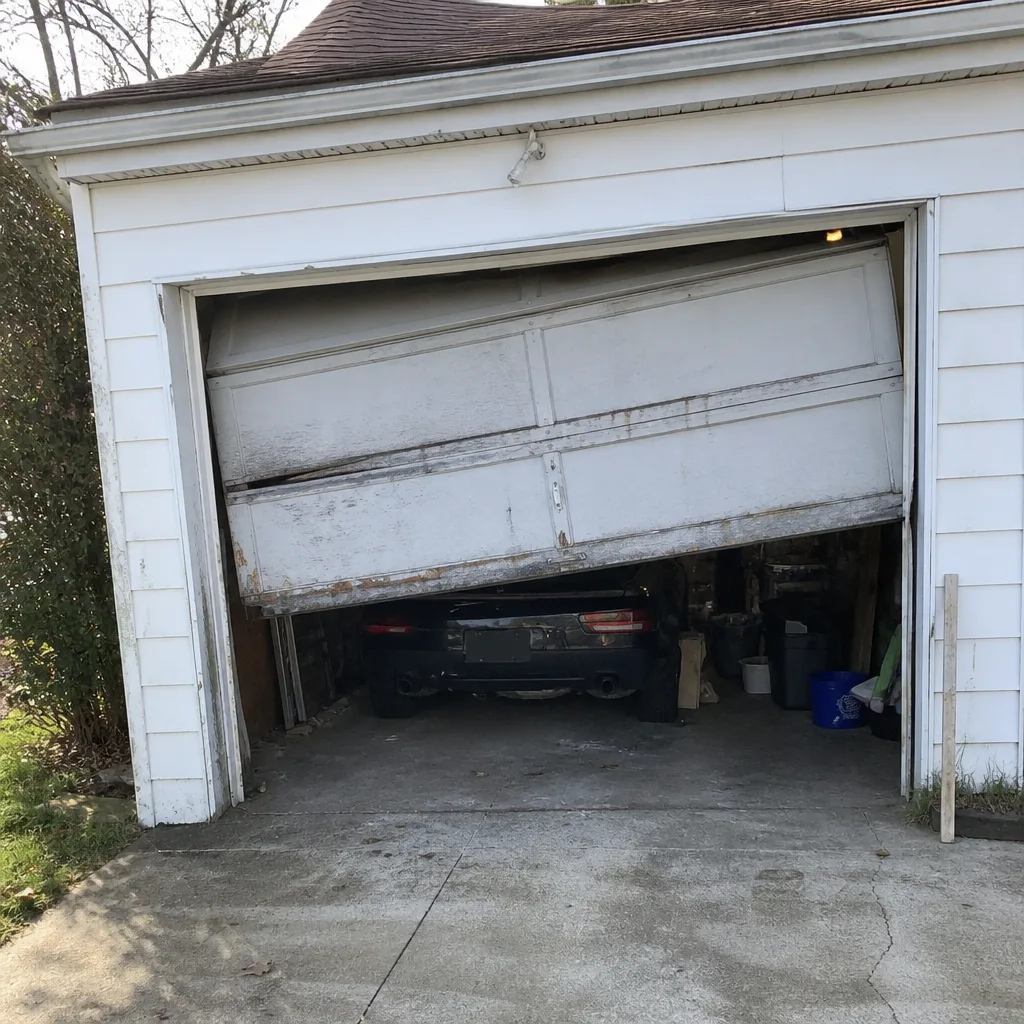 Before
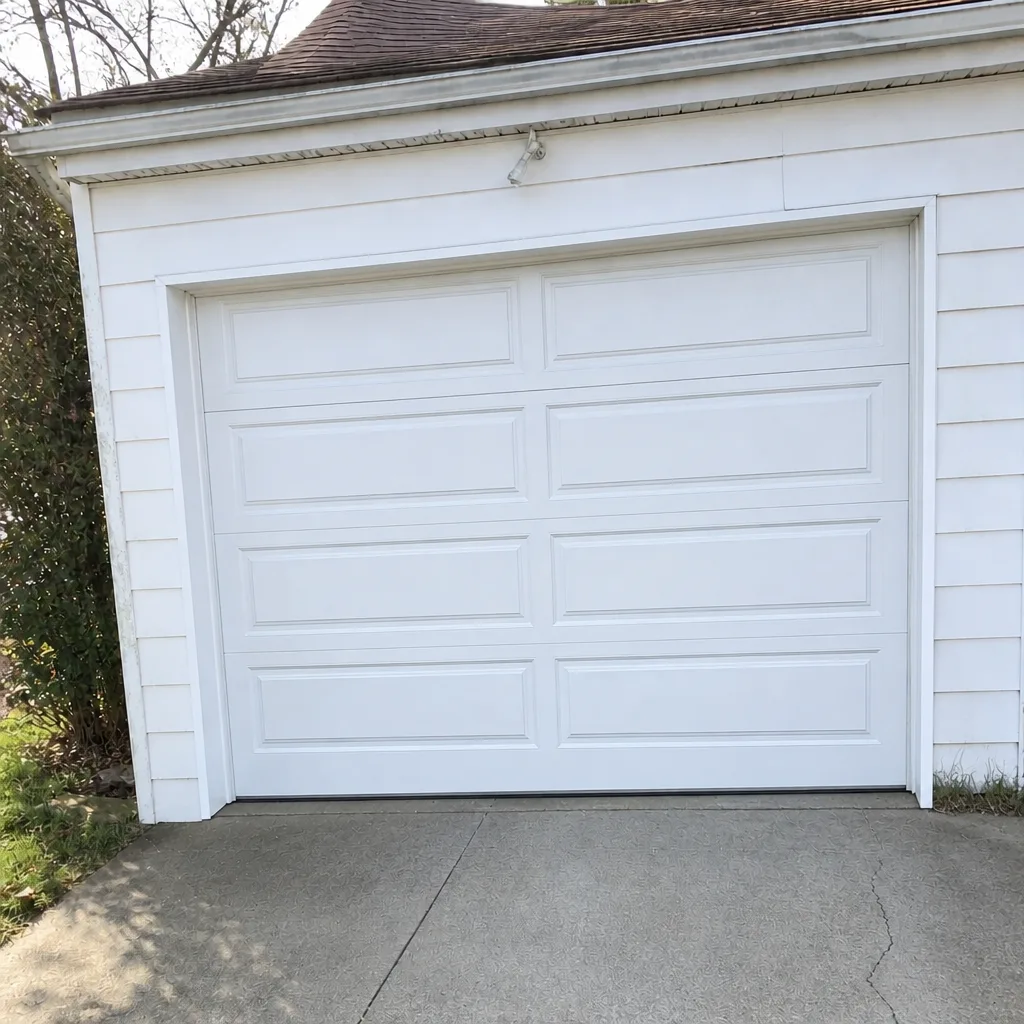 After
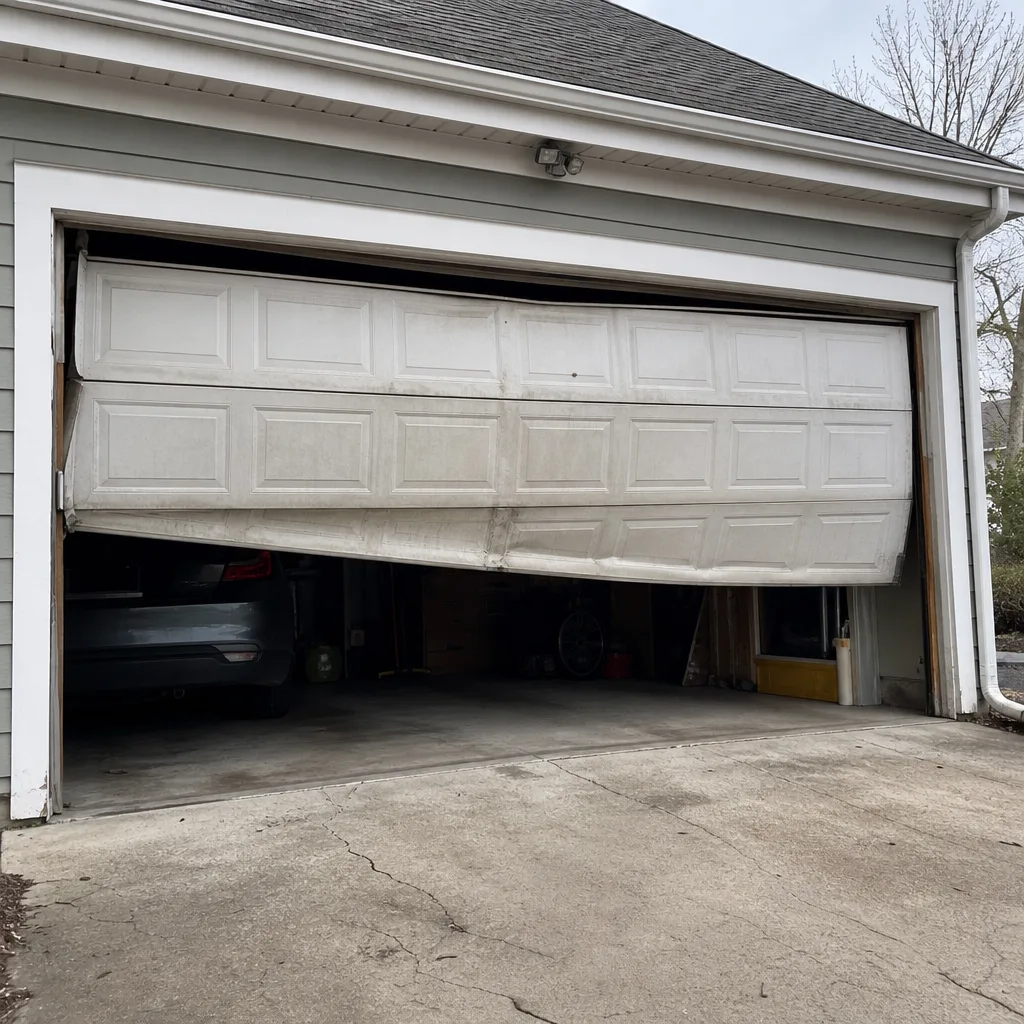 Before
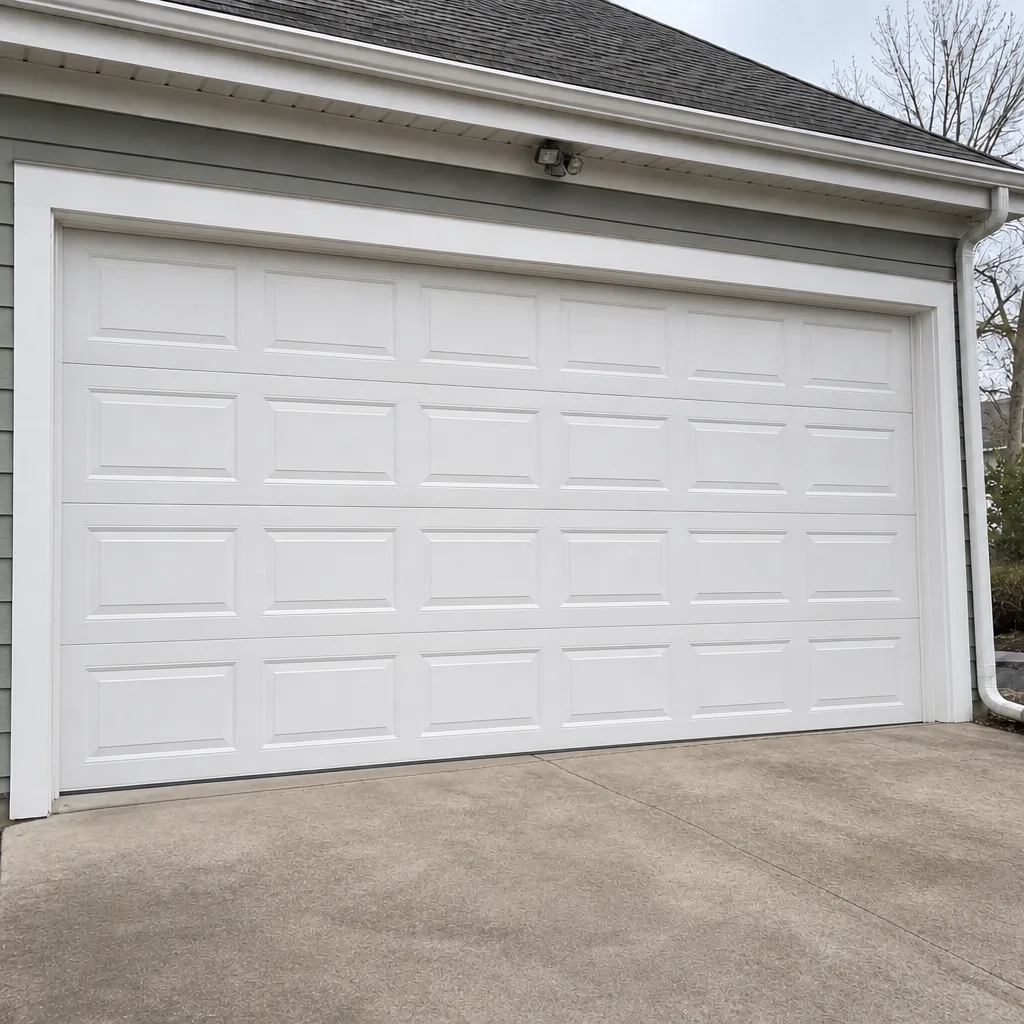 After
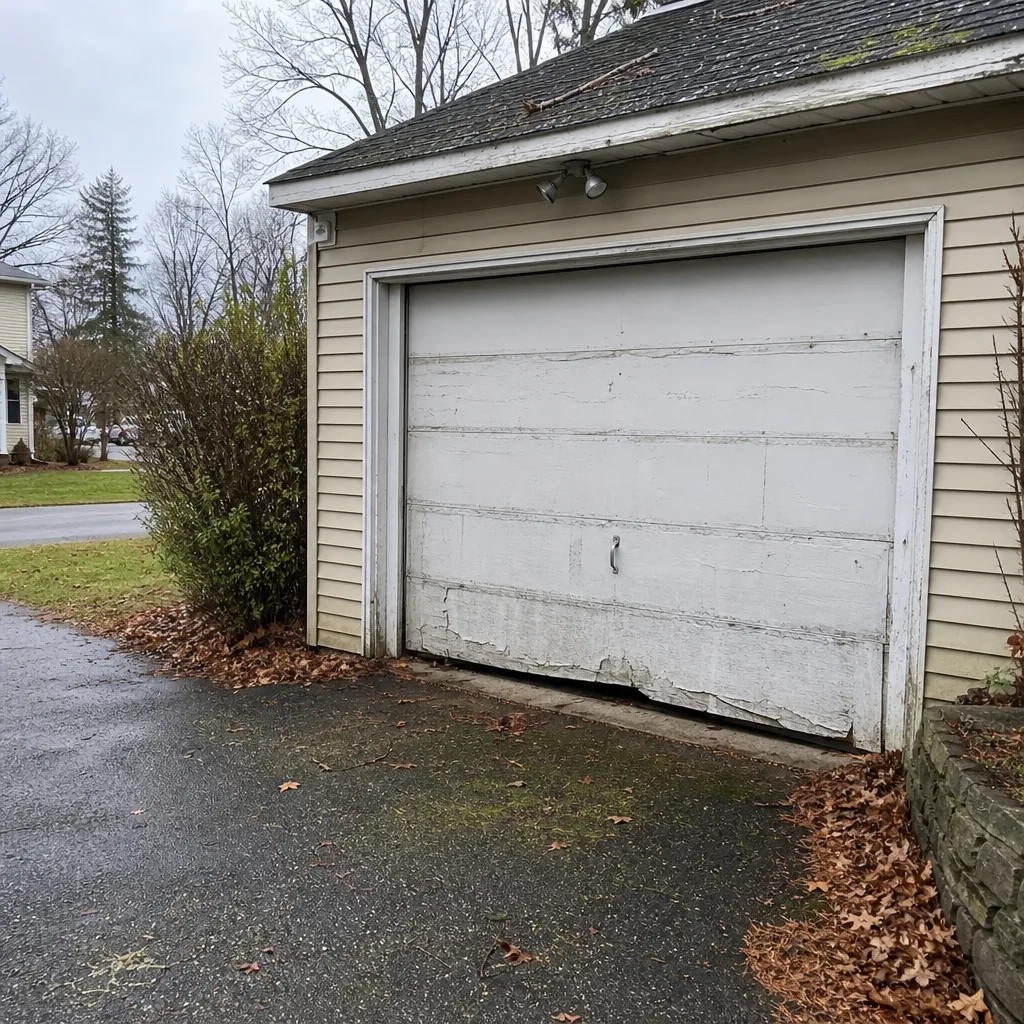 Before
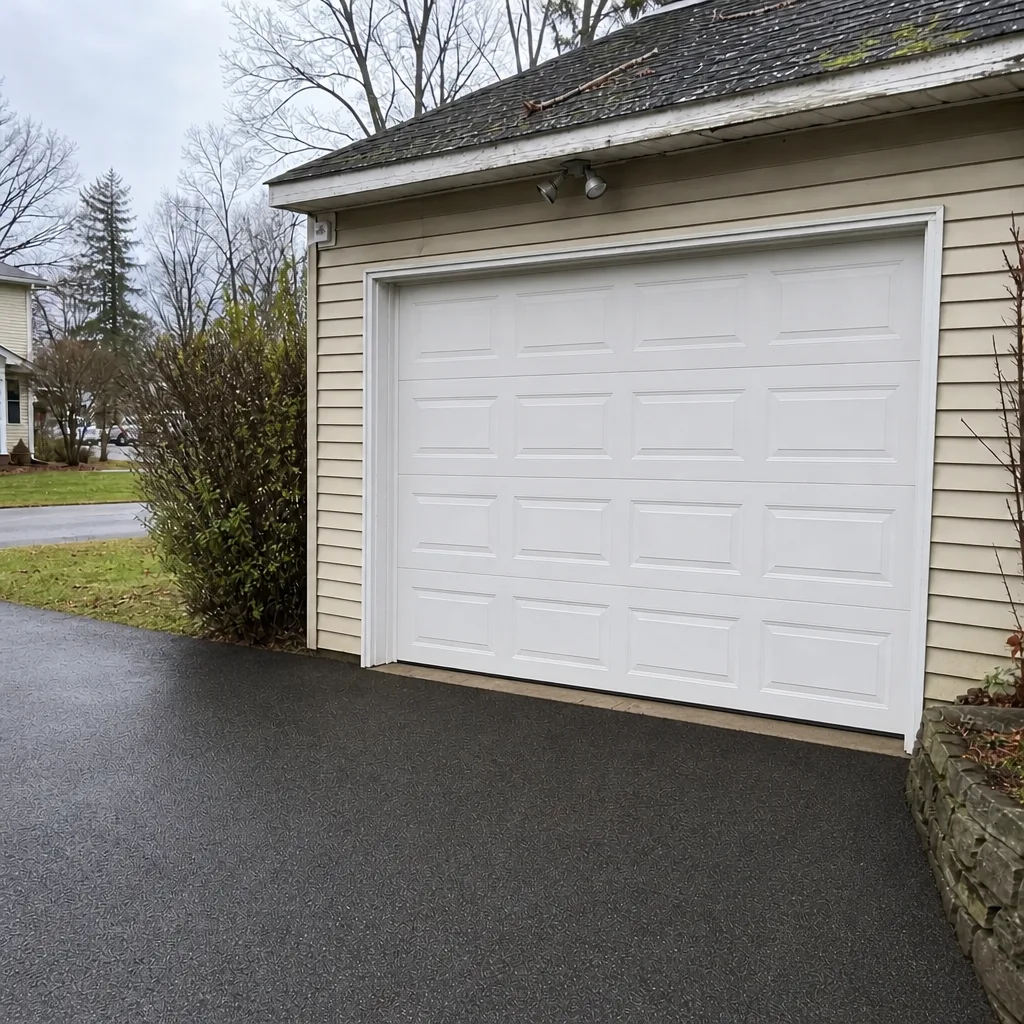 After
When to Call a Professional
Call a technician if the door won’t open or close at all, if you’ve heard a pop and the door is now heavy, if the door hangs crooked or has jumped the track, if the opener hums but doesn’t move, if a spring or cable is visibly broken, or if the door reverses immediately and a sensor cleaning doesn’t fix it. A door that’s stuck open on an attached garage is an access and security problem, and our emergency service exists for exactly that situation. Middletown Garage Door Repair Pros offers free estimates in Middletown Township – call (855) 425-4845. Our technicians have up to 13 years of experience across the eight major brands we service, and we work on the brand already in your garage rather than trying to sell you a new system. Back up and running the same day is the goal on repair and emergency calls.
Frequently Asked Questions
Repair costs vary by the part and the door, and we give a written estimate before any work starts rather than a number over the phone. Sensor and remote fixes are on the low end; spring and cable replacement sit higher because of the labor and the risk. The estimate you agree to is the price – there’s no surprise invoice when the job is done. Call (855) 425-4845 for an exact quote; estimates are free.
In most cases, yes – same-day service is available on repair and emergency calls, with fast dispatch from 7am to 7pm. A door stuck open on an attached garage is treated as urgent because the house is effectively open to the street. Call (855) 425-4845 and describe the symptom, and we’ll confirm timing in the same call.
No – the written estimate sets the price, and we agree to it with you before any work starts. If, once we’ve assessed the door, we find a second issue that needs attention (like worn rollers behind a failed spring), we’ll show you and quote that separately. You decide before we proceed, and you won’t be charged for anything you didn’t agree to.
Yes – the local pros we connect you with are licensed and insured as their state requires. We work on the eight major garage door and opener brands – LiftMaster, Chamberlain, Genie, Clopay, Amarr, Wayne Dalton, Craftsman, and Raynor – so the technician arrives familiar with the system already in your garage. Our technicians have up to 13 years of experience.
No – spring replacement is the highest-risk job in this trade and should be left to a trained technician. The stored tension in a torsion or extension spring is strong enough to cause serious injury if it releases unexpectedly. We perform spring repair as a dedicated, practiced core service, and we recommend treating it as professional-only work.
Not necessarily. Run the manual-release test: if the door lifts easily by hand, the opener is the problem and it’s usually a single component – a gear, a drive belt, or a travel-limit setting. If the door feels heavy by hand, the springs or cables are the problem and the opener is being asked to do too much. Call (855) 425-4845 and describe the result of the test; we’ll tell you which side of the system to focus on.
The Bottom Line
Garage door problems in Middletown Township are almost always readable from the symptom. Grinding means rollers or bearings. Popping means springs or cables. Squealing means lubrication. A door that reverses immediately means sensors. Run the manual-release test to tell the door from the opener, document the brand and model before you call, and stay away from springs, cables, and bottom brackets. The small fixes – sensors, remotes, lubrication, balance checks – are worth doing yourself and they push major repairs down the road. When it’s a spring, a cable, a bent track, or an opener that’s truly given up, call a specialist and get it done right. One call covers the whole door.
Middletown Garage Door Repair Pros works on the brand already in your garage and offers same-day repair and emergency service in Middletown Township. Emergency service is part of our core lineup, and spring repair is a dedicated specialty rather than an afterthought. One call covers the whole door – repair, opener work, spring replacement, and full new-door installation. Free estimates, upfront pricing, and a satisfaction guarantee.
For more on what we handle across the area, visit Middletown Garage Door Repair Pros, or explore our garage door repair service for a full overview. If you’ve already worked out which category your symptom falls into, call (855) 425-4845 and tell us – we’ll take it from there. Free estimates in Middletown Township, and a written quote before any work starts.
Written by the team at Middletown Garage Door Repair Pros.