Last updated November 21, 2026
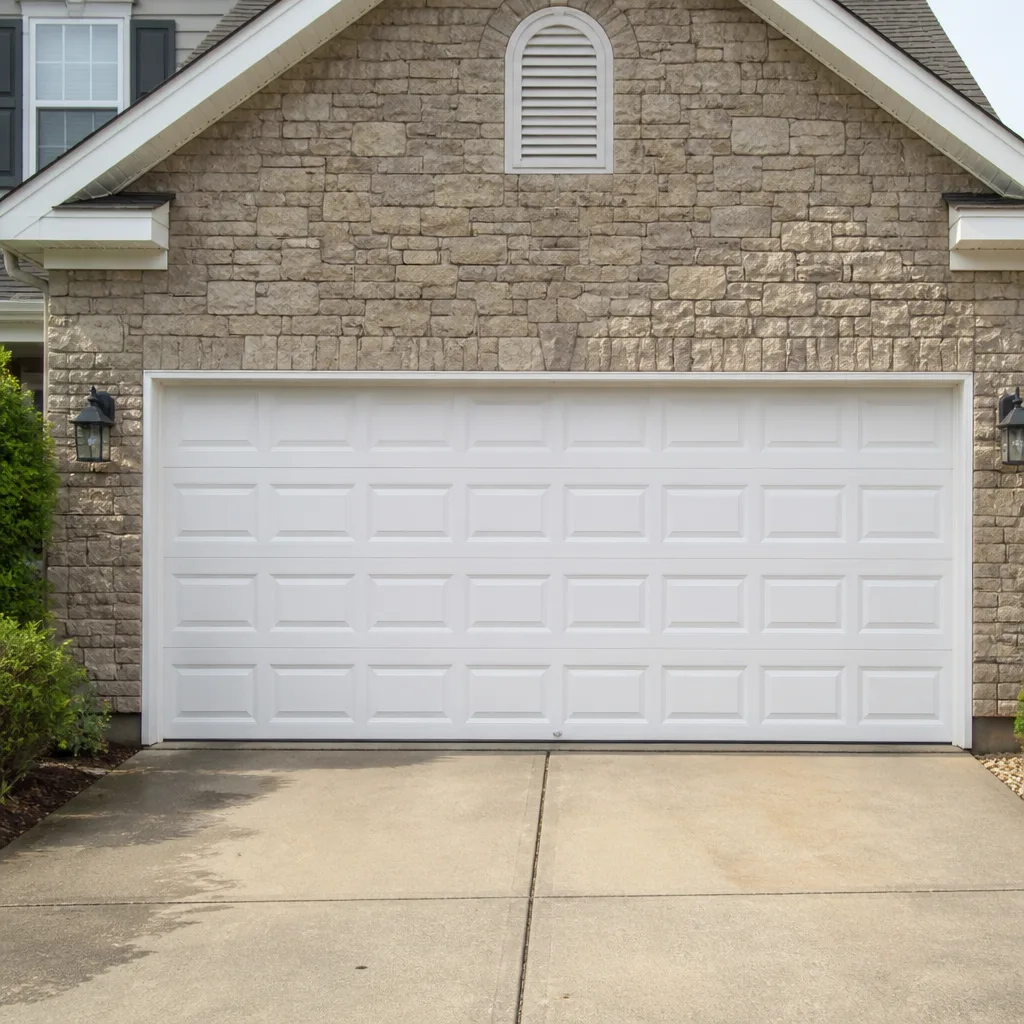 Raised-panel steel
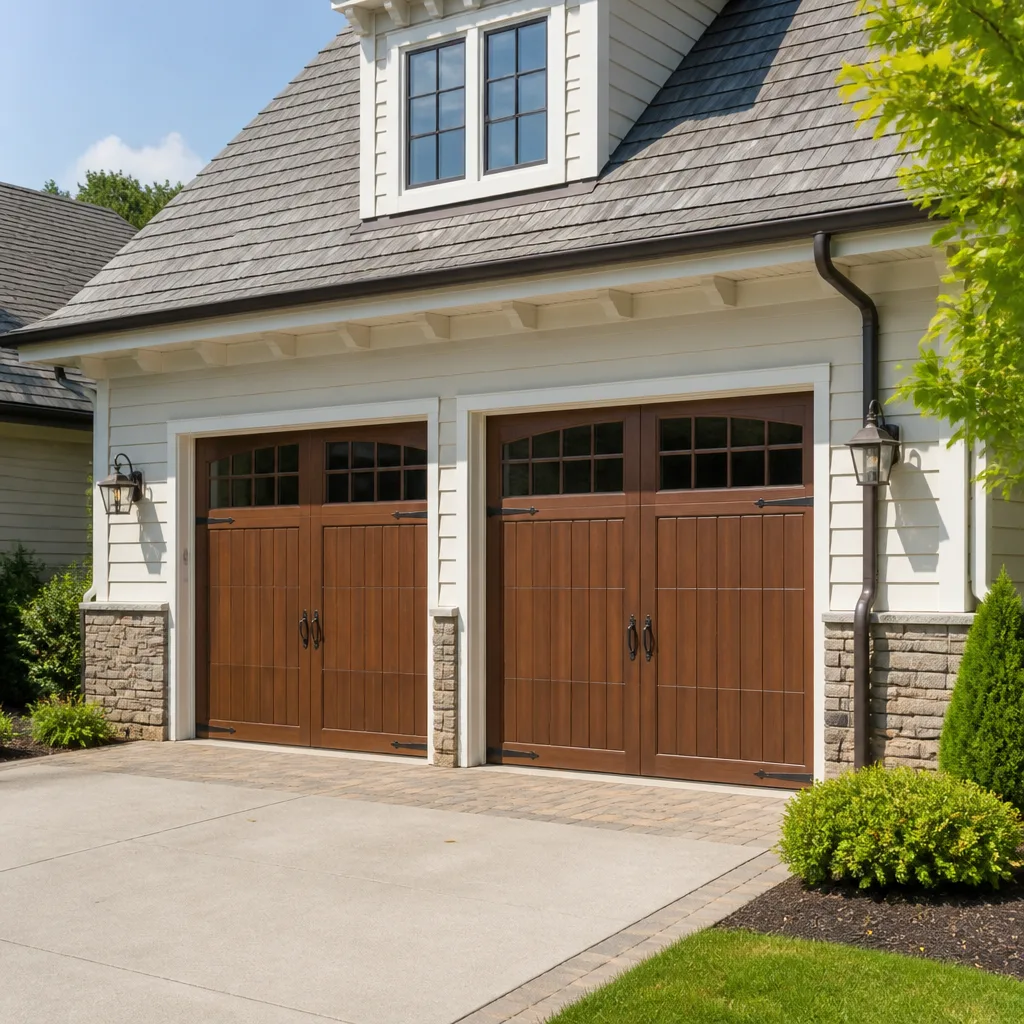 Carriage house
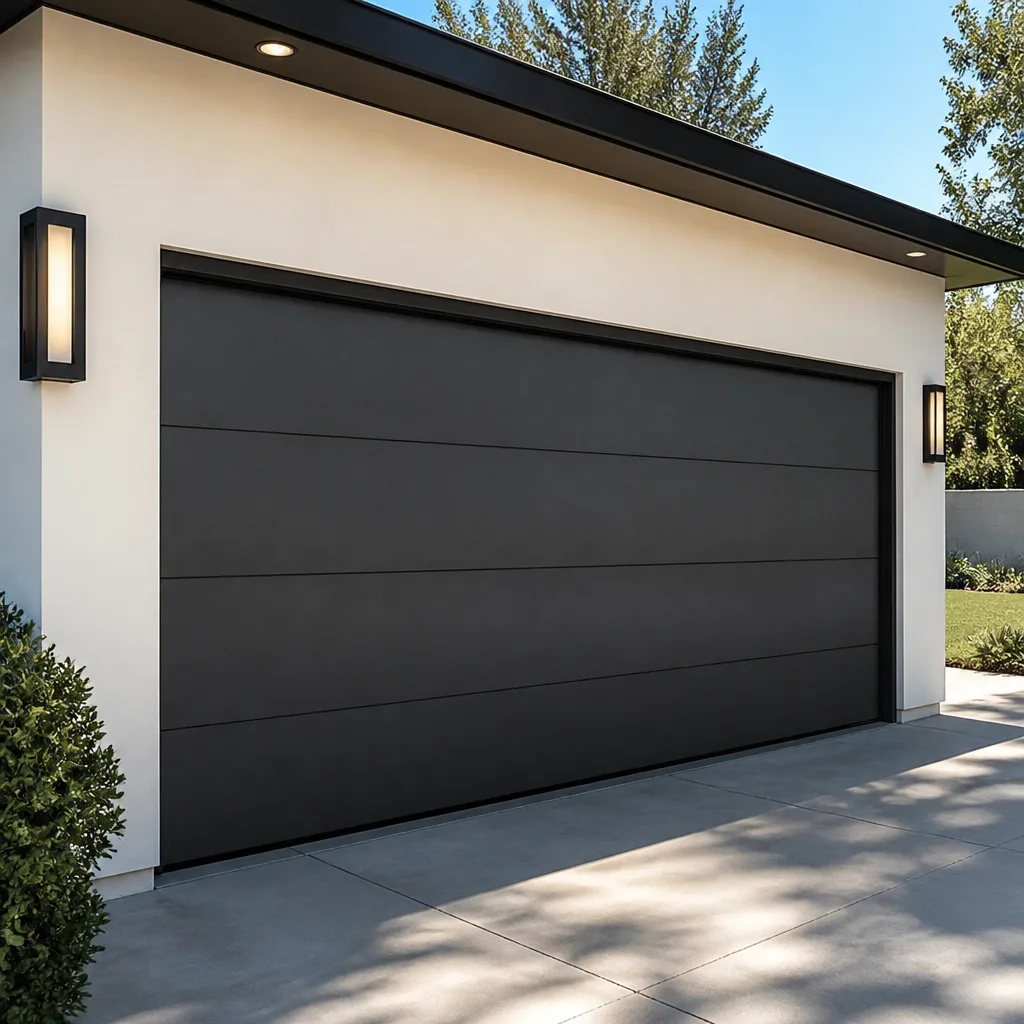 Modern flush
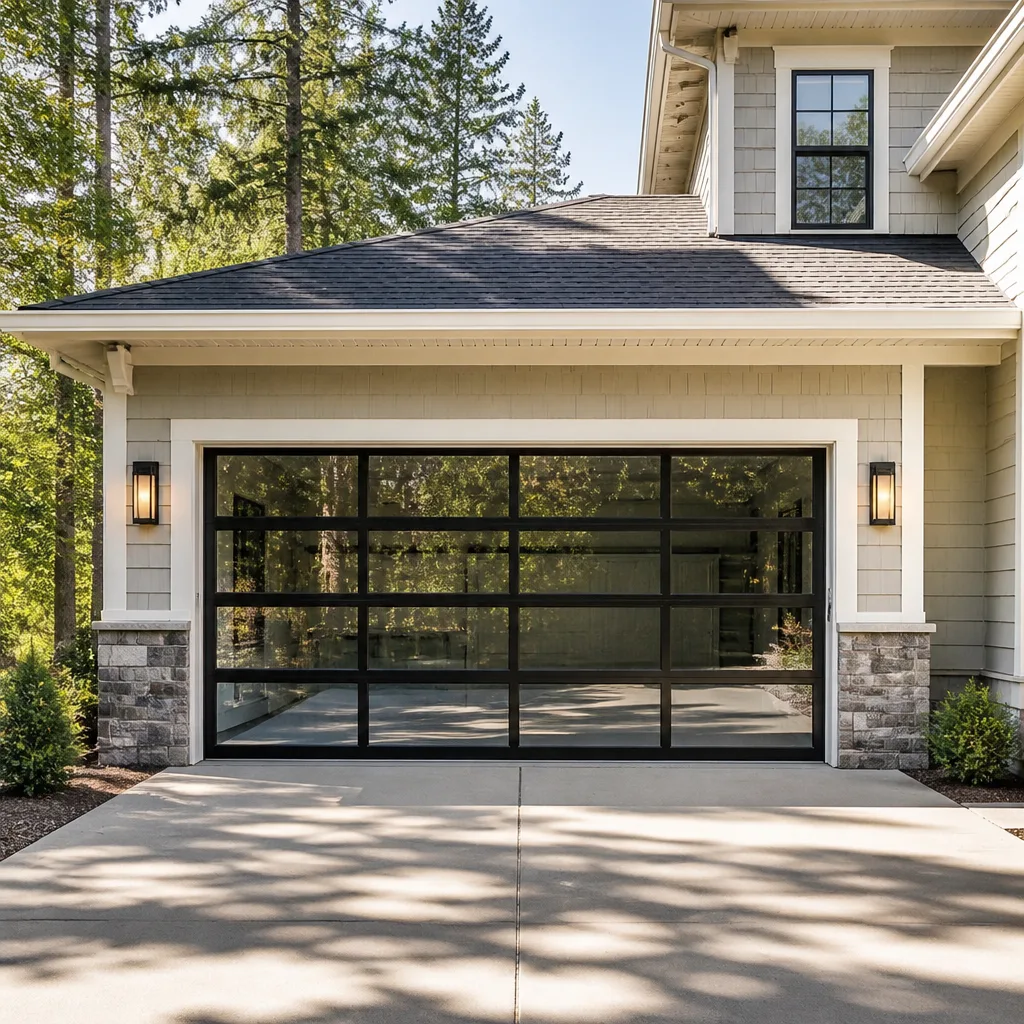 Full-view glass
 LiftMaster openers
 Chamberlain openers
Full 25-point door and opener safety check with every visit - springs, cables, rollers, tracks, and your LiftMaster or Chamberlain opener included
You get a price before we start. It does not change when the pro arrives.
Get your free estimateGarage Door Permits, Codes & Inspections in Middletown Township, NJ: What You Need to Know
Here’s the part that surprises most homeowners: a garage door is not always treated as a simple swap. In Middletown Township, certain garage door projects fall under New Jersey’s Uniform Construction Code and need a permit before a single panel comes off the truck. Others don’t. The trouble is that the line between the two isn’t always obvious, and getting it wrong can sit quietly in a property’s records for years until a buyer’s inspector or a township clerk notices it. In this guide, we’ll walk through exactly when a Middletown Township garage door project needs a permit, how the local application and inspection process works, what the state’s wind load rules mean for your door, and why unpermitted work turns into a real headache at resale.
Quick Answer
In Middletown Township, a garage door permit is generally required when the work changes the structural opening, installs a new door in new construction, or upgrades to a door rated for wind resistance, and it’s governed by the New Jersey Uniform Construction Code. A straight like-for-like replacement of an existing door in the same opening, or routine repair of springs, tracks, and openers, typically does not need a permit. When in doubt, the fastest way to know is to call Middletown Township’s building department and describe the job in plain terms before any work begins.
Styles & brands we work with
- Raised-panel steel
- Carriage house
- Modern flush
- Full-view glass
- LiftMaster openers
- Chamberlain openers
Table of Contents
- When does a garage door project need a permit in Middletown Township?
- When you don’t need a permit (repairs and like-for-like swaps)
- The Middletown Township permit process, step by step
- What permits and inspections typically cost
- New Jersey wind load rules and which door ratings satisfy them
- Fire-rated doors between an attached garage and living space
- How unpermitted work gets flagged at resale, and what remediation looks like
- What an inspection actually checks
When does a garage door project need a permit in Middletown Township?
The New Jersey Uniform Construction Code (UCC) is the framework that decides this, and Middletown Township enforces it through its own construction office. The code doesn’t single out “garage doors” as their own category the way it does a deck or a roof. Instead, a garage door project gets pulled into the permit system when it crosses into structural, fire-safety, or wind-resistance territory. Those are the three triggers that matter for a Middletown Township homeowner.
In practical terms, a permit is usually required when:
- The structural opening changes. Widening, heightening, or otherwise altering the rough opening to fit a new door size is structural work. It affects the header and framing, and it needs to be reviewed.
- It’s new construction or an addition. A garage door installed as part of building a home, an attached garage, or an addition is part of the permitted scope of that larger project.
- You’re upgrading to a wind-rated or impact-rated door. When the door is being installed specifically to meet a wind-resistance requirement, the installation is subject to inspection so the rating and anchoring can be verified.
- The work touches the fire separation between an attached garage and the living space, including a fire-rated door and its hardware.
Here’s the nuance that trips people up. A door that simply wears out and gets replaced with the same size and type in the same opening usually sits outside the permit requirement. But “the same size and type” is doing real work in that sentence. If the new door is heavier, if it needs different track and anchoring, or if it’s being installed to a wind rating the old door never had, the project can move from a swap into permitted work. That’s why the honest answer to “do I need a permit?” is almost always “it depends on the scope, so describe it to the building department.”
When you don’t need a permit (repairs and like-for-like swaps)
Not every garage door job in Middletown Township involves the construction office. A large share of what we do is repair, and repair of existing components is generally not a permitted activity. Routine maintenance and fixes that keep an existing door working don’t change the structure, the fire separation, or the wind rating, so there’s nothing for an inspector to sign off on.
Common work that typically does not require a permit:
- Replacing broken springs on an existing door.
- Repairing or replacing openers, remotes, and safety sensors.
- Straightening or replacing a bent track in the same opening.
- Replacing rollers, hinges, cables, and other hardware.
- Replacing a door of the same size and type in an unchanged opening, where no structural or rating change is involved.
Spring work deserves its own note here because it’s the job we handle most. Torsion springs are under extreme mechanical tension, and a spring that lets go during handling can cause serious injury. This is not a job for a homeowner with a winding bar and a video. We treat garage door spring repair as a core service because it’s both the most common failure and the most dangerous one to get wrong, and no permit is involved in doing it safely. If a spring has snapped and the door won’t lift, that’s an access and security problem, which is exactly what our emergency service is set up for.
If your door is refusing to move and you’re not sure whether it’s a spring, a cable, or the opener, the place to start is garage door repair diagnostics rather than the permit office. We figure out what failed first, then tell you if the fix touches anything that needs review.
The Middletown Township permit process, step by step
When a garage door project does require a permit, the process runs through Middletown Township’s construction office, and it follows the standard New Jersey sequence: apply, get the permit issued, do the work, get it inspected. The exact forms, fees, and turnaround vary, so confirm the details with the township directly. Here’s how the sequence works so you know what to expect.
- Confirm the scope with the building department. Call Middletown Township’s construction office and describe the project: new door size, whether the opening changes, whether it’s a wind-rated or fire-rated install. Ask whether a permit is required and what they need from you.
- Submit the application with the supporting documents. Expect to provide the door manufacturer’s specifications, the wind or fire rating documentation if applicable, and a description or drawing of the work. A licensed contractor typically handles this for you.
- Pay the permit fee and get the permit issued. Work cannot start until the permit is in hand. This is the step that unpermitted jobs skip, and it’s the step that shows up later in the record.
- Complete the installation. The door, anchoring, tracks, and hardware go in to spec, matching what was approved.
- Schedule the inspection. The township inspects the finished work to confirm it matches the approved scope and meets the code requirements. Some projects need more than one inspection depending on the scope.
- Get the sign-off and keep the paperwork. The inspection result becomes part of the property’s record. Save your copy; you’ll want it if you ever sell.
That sequence is standard, but the timing is not fixed. Inspection scheduling depends on the township’s workload, and the plan review can add time for larger or rating-specific projects. If you’re coordinating a new door around a closing date, build in room for the inspection rather than assuming it happens the day the install finishes. Our Middletown Garage Door Repair Pros team can walk you through the paperwork side and coordinate the install with your inspection schedule.
What permits and inspections typically cost
We’re not going to quote you a township fee, because those are set by Middletown Township and New Jersey, not by us, and they change. What we can do is tell you what the door work itself usually runs so you can budget the whole project, permit included. All of the following are typical estimates, and the written quote you receive sets the final price.
- Torsion spring replacement, one spring: typically $180 to $340. A matched pair is usually replaced together, so a pair runs about twice that.
- Opener replacement (unit and install): typically $350 to $650 depending on the opener and door weight.
- Track and hardware repair: typically $150 to $400 depending on what’s bent or broken.
- Full door replacement, same size and opening: typically $900 to $2,800 depending on door material, insulation, and brand.
- Wind-rated or fire-rated door upgrade: higher than a standard swap because of the door rating itself and the documentation the inspector requires.
The permit fee is separate from the door work, and it’s paid to the township. It’s small relative to the door itself, but it’s the line item that makes the difference between a clean record and a problem at resale. If you’re weighing a like-for-like swap against a rated upgrade, ask the building department about the fee up front so the comparison is honest.
One thing we hear a lot: “will the price change once you see it?” The answer is no, not for the door work. We inspect the door, quote the job in writing, and that quote is the price. Nothing starts until you’ve agreed to it.
New Jersey wind load rules and which door ratings satisfy them
New Jersey’s building code requires structures to be designed for the wind loads expected in their location, and garage doors are part of that envelope. A garage door is a large, relatively light panel covering a big opening, which makes it vulnerable to wind pressure and the suction that builds on the leeward side during a storm. When it fails, it can let wind and water into the structure and, in some cases, compromise the roof above it by equalizing pressure. That’s why the code cares about how the door is rated and anchored.
Here’s how the ratings work in practice:
- Wind load rating. Garage doors are rated for the design wind pressure they can withstand, measured in pounds per square foot. The required rating depends on the location and the building’s exposure, and your builder or the township building department will tell you the number your project has to meet.
- Impact rating. Some jurisdictions and some door packages require impact-rated glazing or panels that resist debris strikes, not just pressure. Whether that applies to your project is a code question for the building department.
- Anchoring and hardware. The rating is only as good as the installation. The door must be anchored to the framing as specified, and that’s a big part of what an inspection is verifying.
The door brands we work on, including Clopay, Amarr, and Wayne Dalton, publish wind load documentation for their product lines so the rating can be verified against the code requirement. We don’t decide your wind load number. What we do is install the door to the spec the code and the manufacturer call for, and make sure the documentation is available for the inspection. This is where a permit actually protects you: the sign-off is proof that the door was installed to a rating someone qualified reviewed.
Fire-rated doors between an attached garage and living space
This is the code point that gets skipped the most, and it’s a safety issue rather than a paperwork one. When a garage is attached to a home, the wall and door between the garage and the living space act as a fire separation. The idea is simple: a fire that starts in a garage, where fuel, chemicals, and vehicles live, gets slowed down before it reaches the bedrooms. Codes require that separation, and the door in it is part of the system.
What that means for a Middletown Township homeowner:
- The door between an attached garage and the house often needs a fire rating, and the hardware and closing mechanism matter as much as the door itself.
- A self-closing or self-latching requirement usually applies so the door can’t be left standing open and defeat the separation.
- If you replace that door, replace it with one of the same or better rating and keep the closing hardware working.
Most of what we install is the overhead vehicle door, not the person door between garage and house, but homeowners ask us about it constantly because the two live in the same space. If your project includes a door in that separation wall, tell the building department and confirm the rating before you buy. Getting it wrong is a fire-safety problem first and a resale problem second, and neither is worth the shortcut.
How unpermitted work gets flagged at resale, and what remediation looks like
This is the part that matters most, and it’s the reason we wrote this guide. When a home in Middletown Township goes on the market, the buyer’s inspector and the title search look at the property’s records. A permitted project leaves a paper trail: application, permit, inspection sign-off. An unpermitted project that should have been permitted leaves a gap. That gap can surface as a question from the buyer’s attorney, a flag during the township’s records review, or a stop-work order if the work is still in progress. Any of those can slow a closing or, in a bad case, halt it while the seller scrambles to make it right.
Remediation is possible but rarely quick or free:
- Disclose and document. The seller has to be honest about what was done and when. The buyer’s side will want to see what was installed.
- Apply for a permit after the fact. Some townships allow a late permit for work already done, with the work inspected as it stands and brought up to code if it falls short.
- Bring the install up to spec. If the door was anchored wrong or the rating doesn’t match, it may have to be corrected before it can pass.
- Absorb the delay. The closing timeline is the casualty. Buyers have leverage when a property has an open compliance issue, and sellers feel it.
The cleanest path is to permit the work when it’s done. It costs less, it’s inspected while the installation is fresh, and it leaves a record that answers questions before they’re asked. Our garage door repair team would rather spend an extra hour on paperwork at install than have a homeowner discover a gap years later.
What an inspection actually checks
An inspection isn’t a judgment on the door’s looks. It’s a check that the installed work matches the approved scope and meets the code requirements tied to the permit. Knowing what the inspector looks at helps you understand why the permit exists and why the install details matter.
- Scope match. The door size, type, and rating installed match what was approved on the permit.
- Anchoring and fasteners. The door and track are secured to the framing as specified, which is critical for any wind-rated install.
- Rating documentation. For wind-rated or fire-rated work, the manufacturer’s documentation backs up the rating on the door.
- Open, close, and safety functions. The door operates correctly and the safety features work as they should.
- Separation details where the project touches a fire separation between the garage and the living space.
If something doesn’t pass, the inspector notes it and the work gets corrected and re-inspected. This is why we’d rather get the install right the first time. A failed inspection is a delay, and a delay on a scheduled install in Middletown Township can push the whole project.
Common Mistakes to Avoid
- Assuming “replacement” always means “no permit.” A like-for-like swap in the same opening often doesn’t need one, but a size change, a structural opening change, or a rating upgrade usually does. Confirm the scope before you buy the door.
- Treating a wind-rated upgrade as a cosmetic purchase. The rating only counts if the anchoring and documentation match. A rated door installed to the wrong spec is a failed inspection waiting to happen.
- Overlooking the fire separation door. Homeowners focus on the vehicle door and forget the person door between the attached garage and the living space has its own rating and self-closing requirements.
- Skipping the permit to save time before a closing. The permit review is a few days. A flagged property record can hold a closing for weeks and cost the seller leverage.
- Losing the inspection paperwork. The sign-off is the proof. Keep your copy with the closing documents so it’s there when the next buyer asks.
- Handling torsion springs yourself to avoid a service call. Springs under tension can cause severe injury. No permit is involved in spring work, but professional handling is not optional.
- Hiring a generalist who treats the door as a side job. A permit is only as useful as the install behind it. A specialist who works on doors all day knows the anchoring and rating details that pass inspection.
See the difference
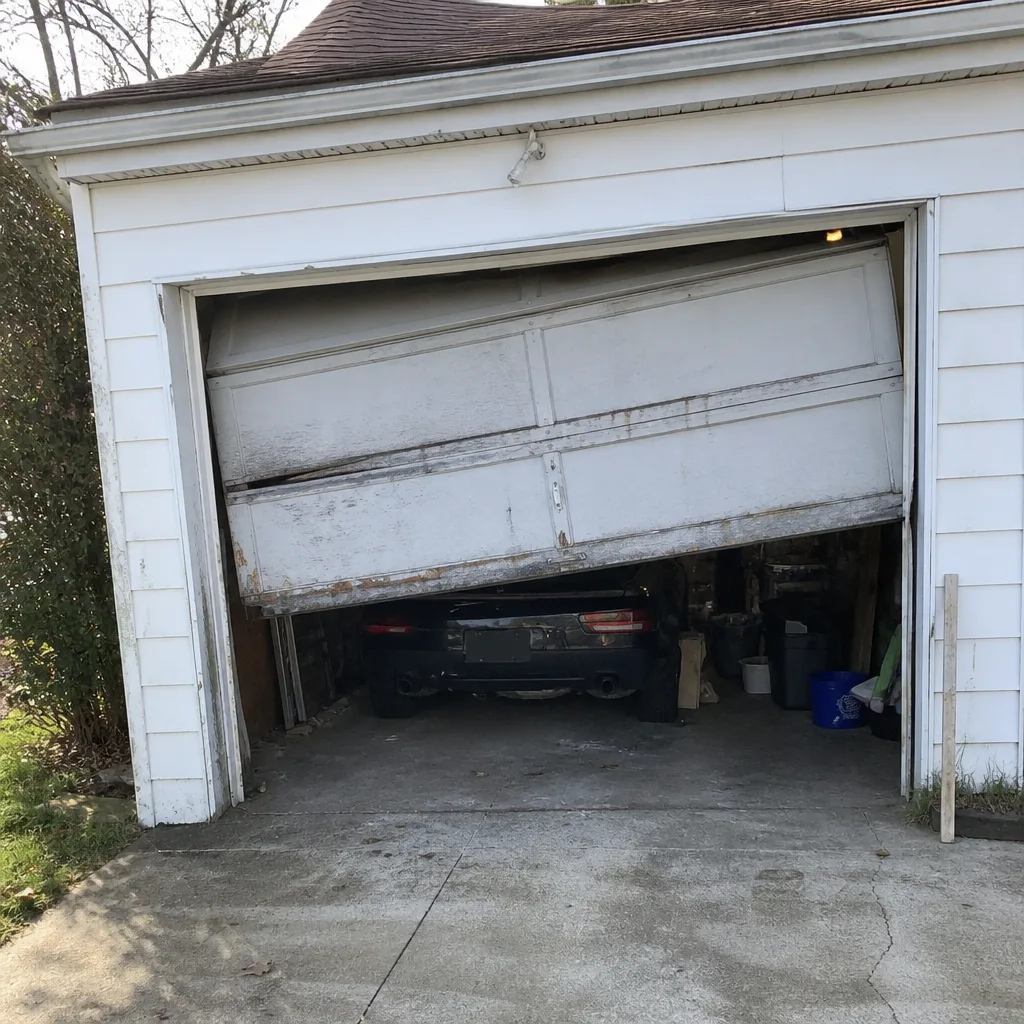 Before
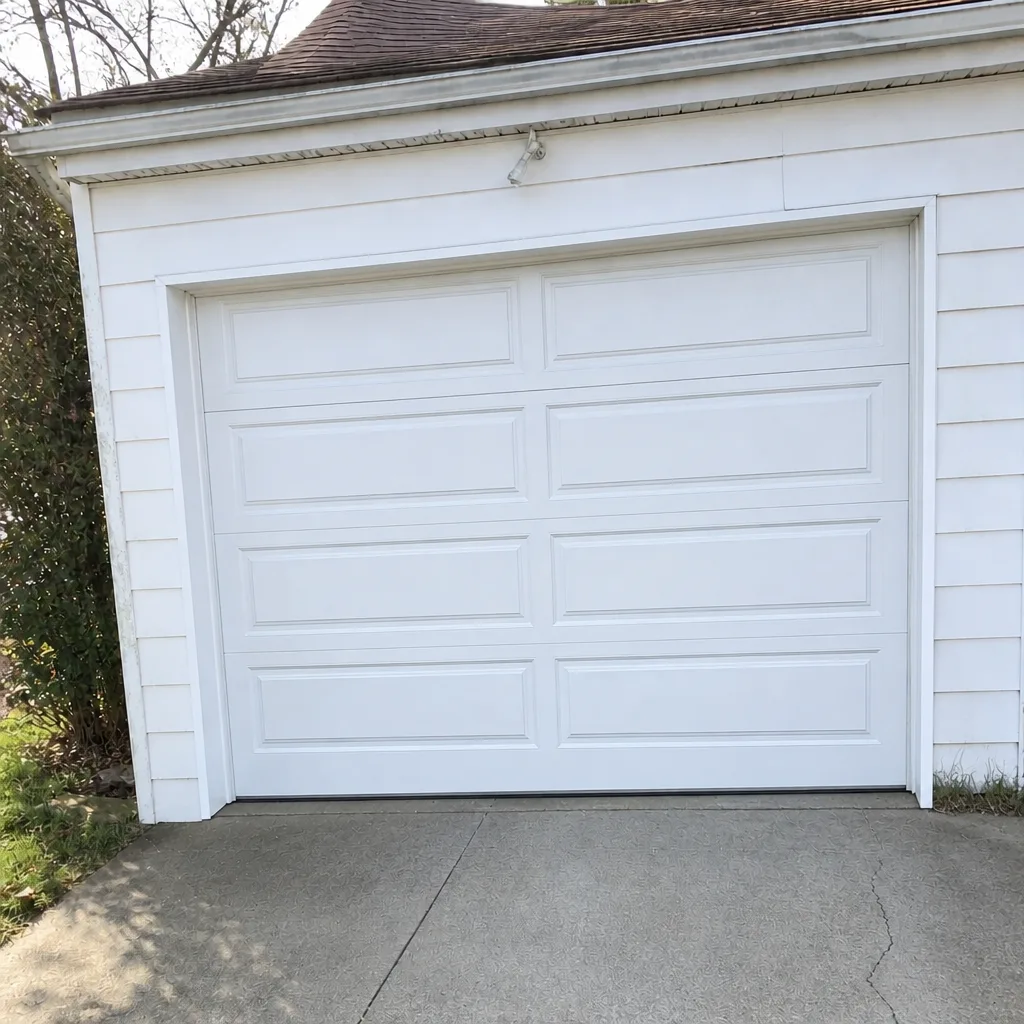 After
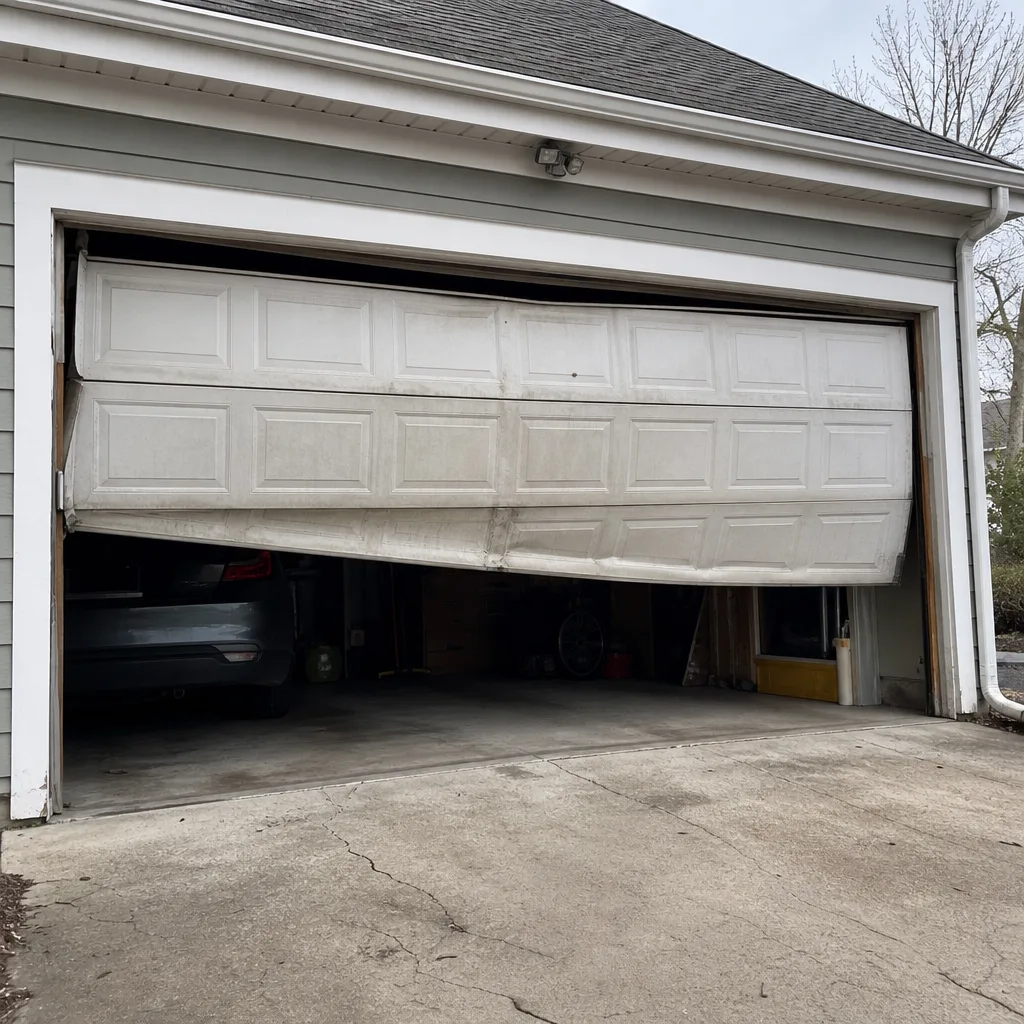 Before
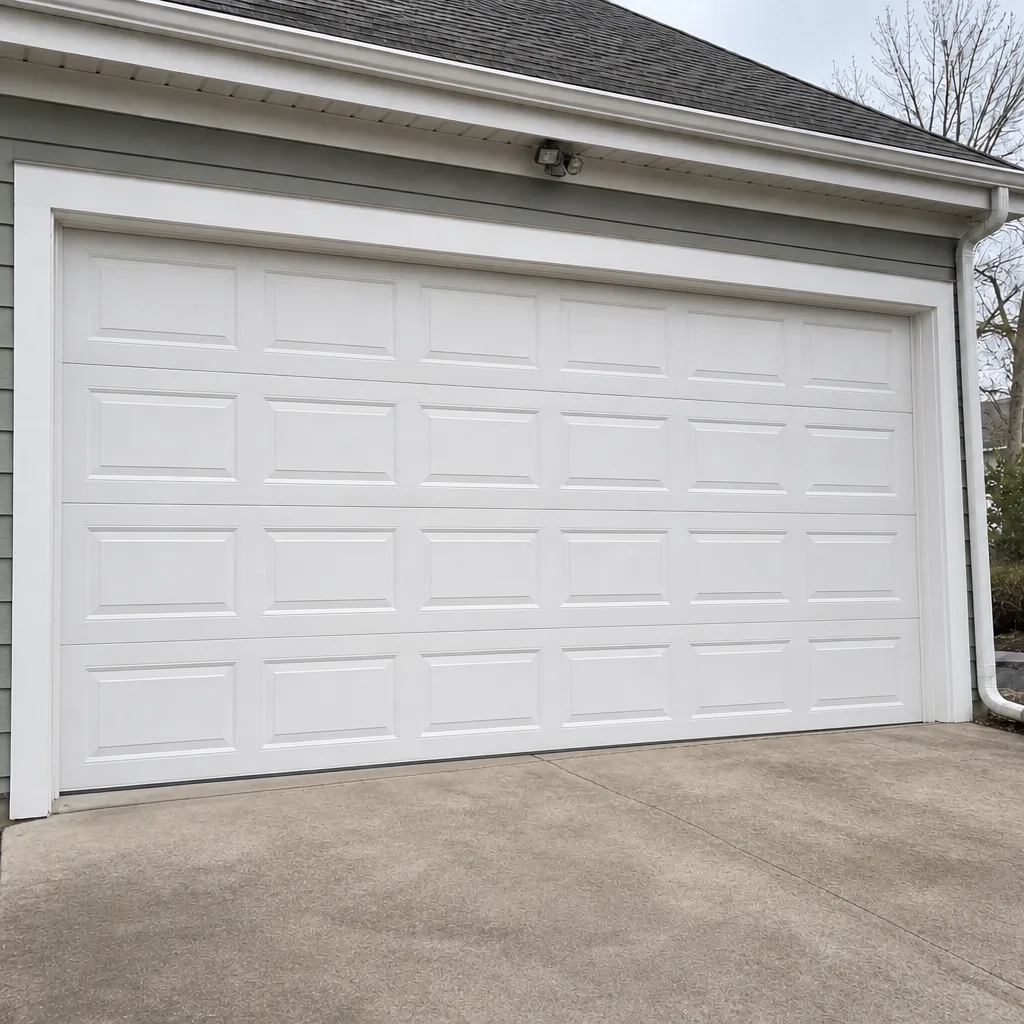 After
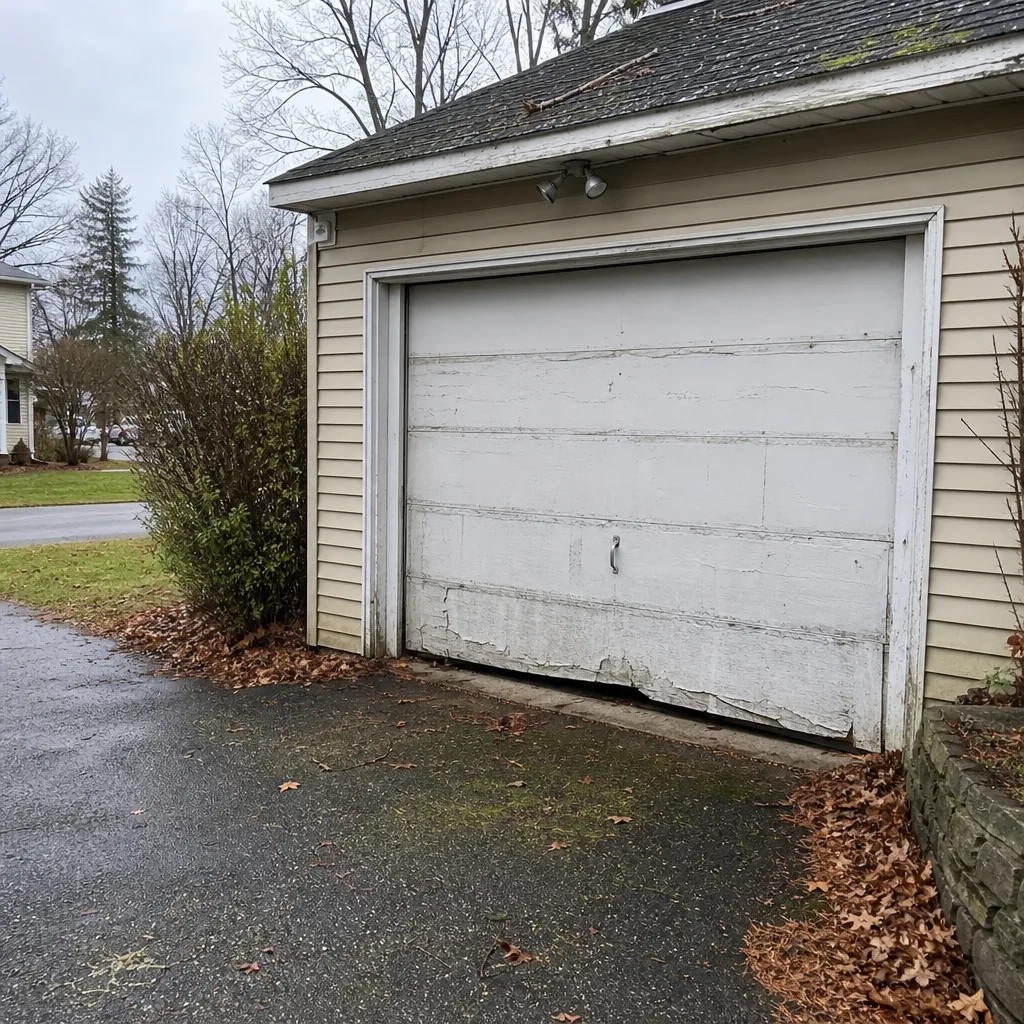 Before
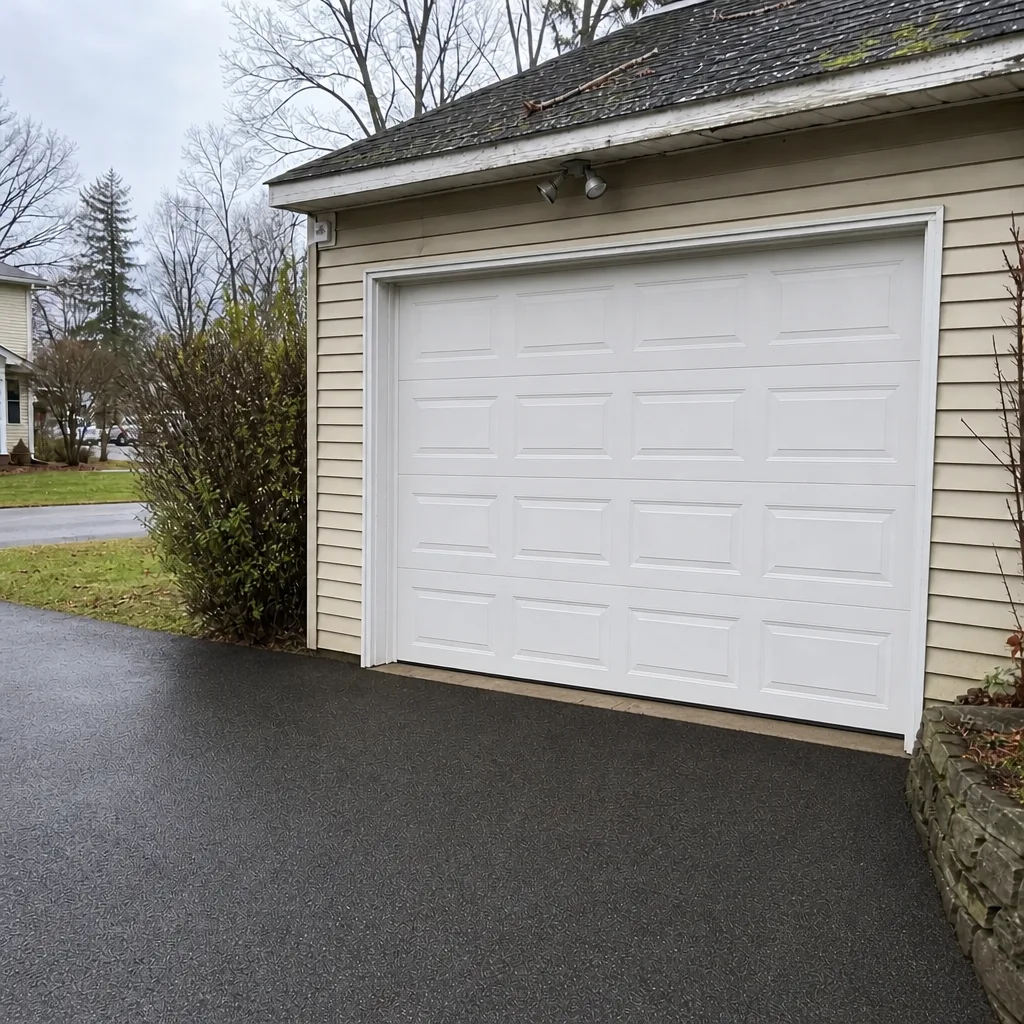 After
When to Call a Professional
Call a professional when the door won’t open or close and you rely on it as a main entry, when a spring has snapped, when a cable has come off its drum, or when the opener runs but the door doesn’t move. Call before you buy a new door if the opening might change, because that’s the point where the permit question gets settled. And call before a rated upgrade if you’re not sure which rating your project needs. Middletown Garage Door Repair Pros offers free estimates in Middletown Township. Call (855) 425-4845. We work on the brand already in your garage, including Genie, Clopay, Amarr, and Wayne Dalton systems, and our technicians have up to 13 years of experience. For openers, our garage door opener repair service handles the units that fail while the door itself is fine.
Frequently Asked Questions
It depends on the scope. A like-for-like replacement of the same size and type in the same opening typically doesn’t need a permit, but a new door in new construction, an opening change, or a wind-rated or fire-rated upgrade usually does under the New Jersey Uniform Construction Code. Call Middletown Township’s building department with the specifics and confirm before work starts. If you’re planning the project, call (855) 425-4845 and we’ll help you describe the scope accurately.
No. Spring, cable, track, and hardware repairs on an existing door are typically not permitted work because they don’t change the structure, fire separation, or wind rating. What spring work does require is professional handling, since a torsion spring under tension can cause serious injury if it’s released wrong. Call (855) 425-4845 for spring service.
The door in the wall between an attached garage and the living space is part of a fire separation, and it usually needs a fire rating plus self-closing hardware so the separation isn’t defeated by a door left open. If you replace that door, match or exceed the existing rating and keep the closing hardware working. Confirm the requirement with Middletown Township’s building department before you buy.
It can surface during the buyer’s inspection or the property records review and turn into a question that slows or stalls the closing until it’s resolved. Remediation usually means applying for a late permit and bringing the install up to spec, which takes time. Permitting the work when it’s done avoids the problem entirely. Call (855) 425-4845 if you need the install corrected.
Your required rating depends on the location, the building’s exposure, and the specific project, and the number comes from the code and the township building department, not from the installer. What we can do is install the door to the rating and anchoring spec the code and manufacturer call for, and make sure the documentation is ready for inspection. Call (855) 425-4845 to discuss a rated install.
Plan review and inspection scheduling vary with the township’s workload, so build in some room rather than assuming next-day sign-off. The door work itself is usually quick once the permit is issued; the inspection is what sets the timeline. Call (855) 425-4845 and we’ll help you sequence the install around your closing date.
The Bottom Line
Permits for garage door work in Middletown Township aren’t about paperwork for its own sake. They’re the record that a structural change, a wind-rating upgrade, or a fire-separation install was done right and checked by someone qualified. Routine repair, including spring work, doesn’t need one. A new door in a changed opening, a rated upgrade, or anything touching the fire wall usually does. The cost of getting it wrong doesn’t show up on install day; it shows up years later at the closing table. When the scope is unclear, call the township and describe the job in plain terms, then call a specialist who installs doors for a living.
Middletown Garage Door Repair Pros handles the whole door: diagnosis, spring repair, opener work, and full new-door installation, including the rated doors that need inspection. We work on the brand already in your garage. One call covers the whole door. Call (855) 425-4845 for a free estimate, and we’ll help you sort out whether your project needs a permit before anything comes off the truck.
Written by the team at Middletown Garage Door Repair Pros.