Last updated November 21, 2026
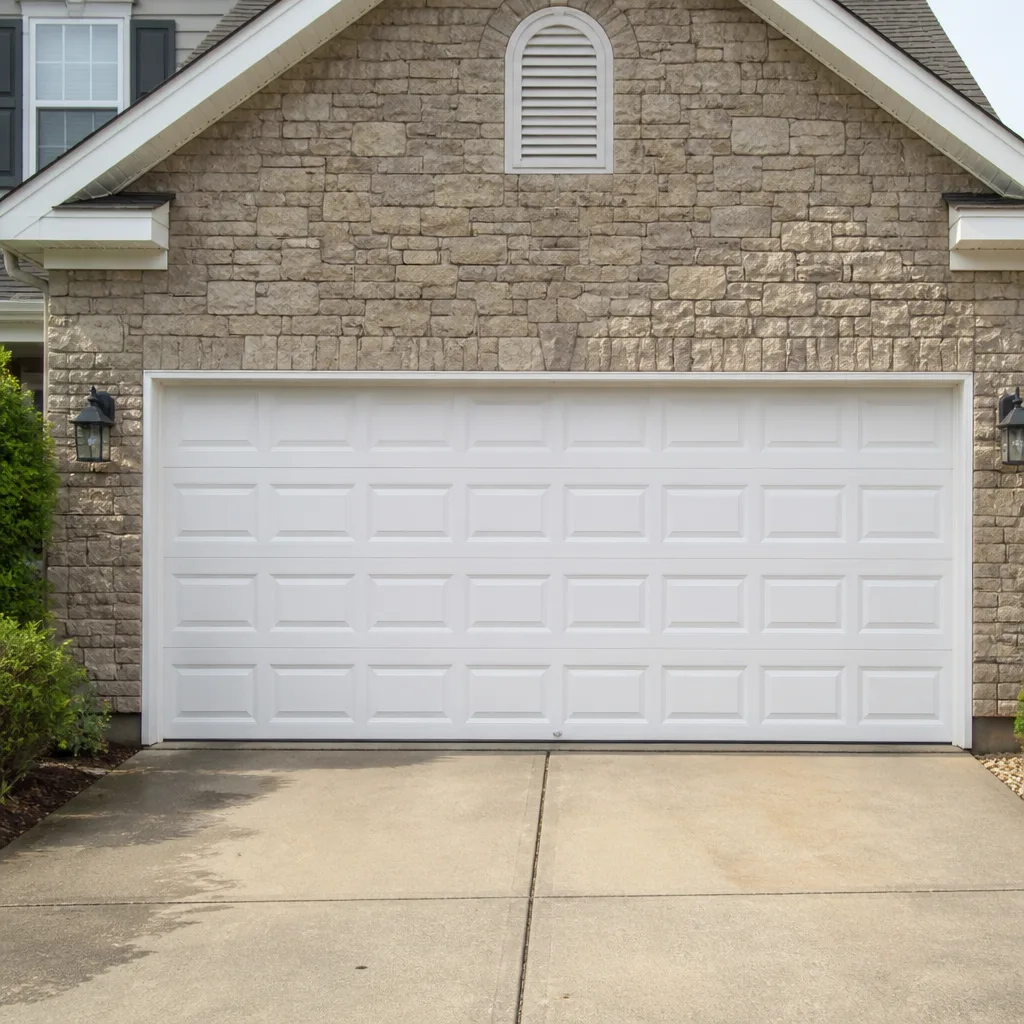 Raised-panel steel
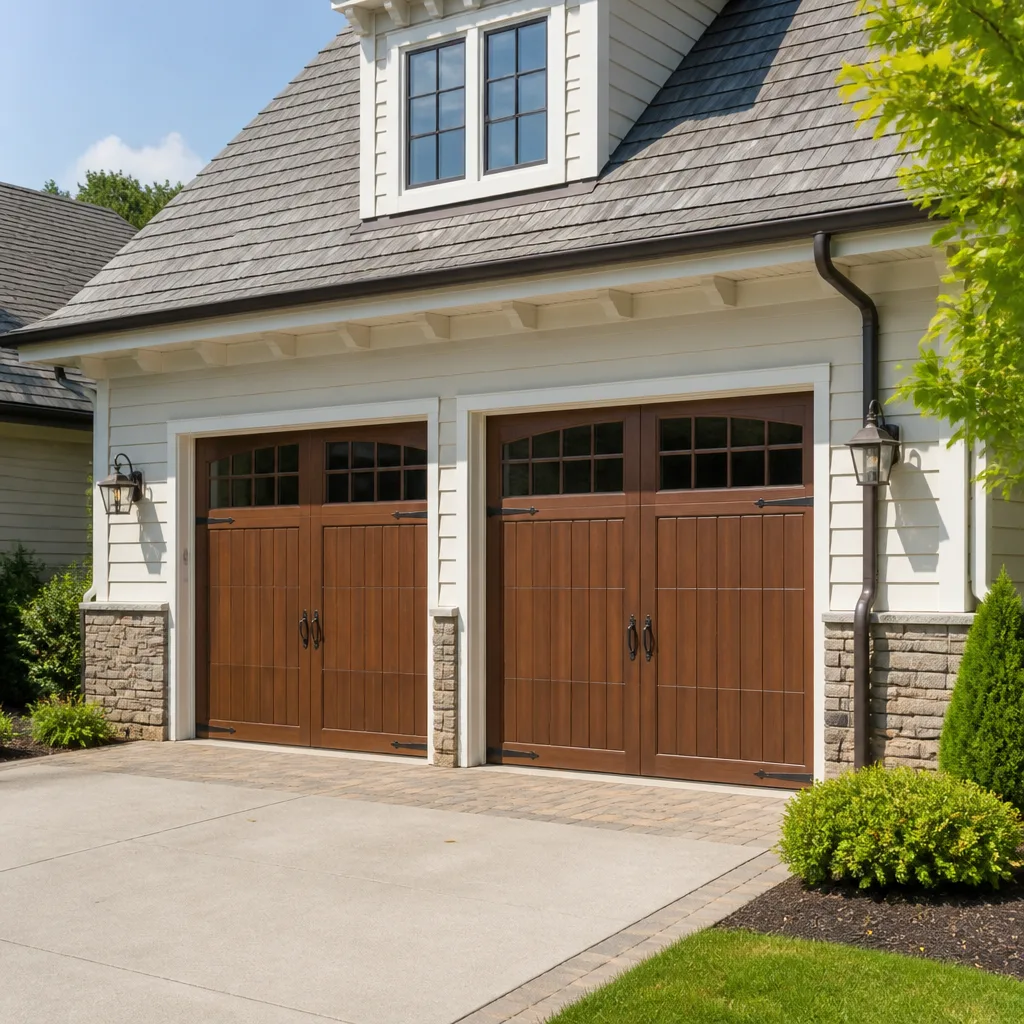 Carriage house
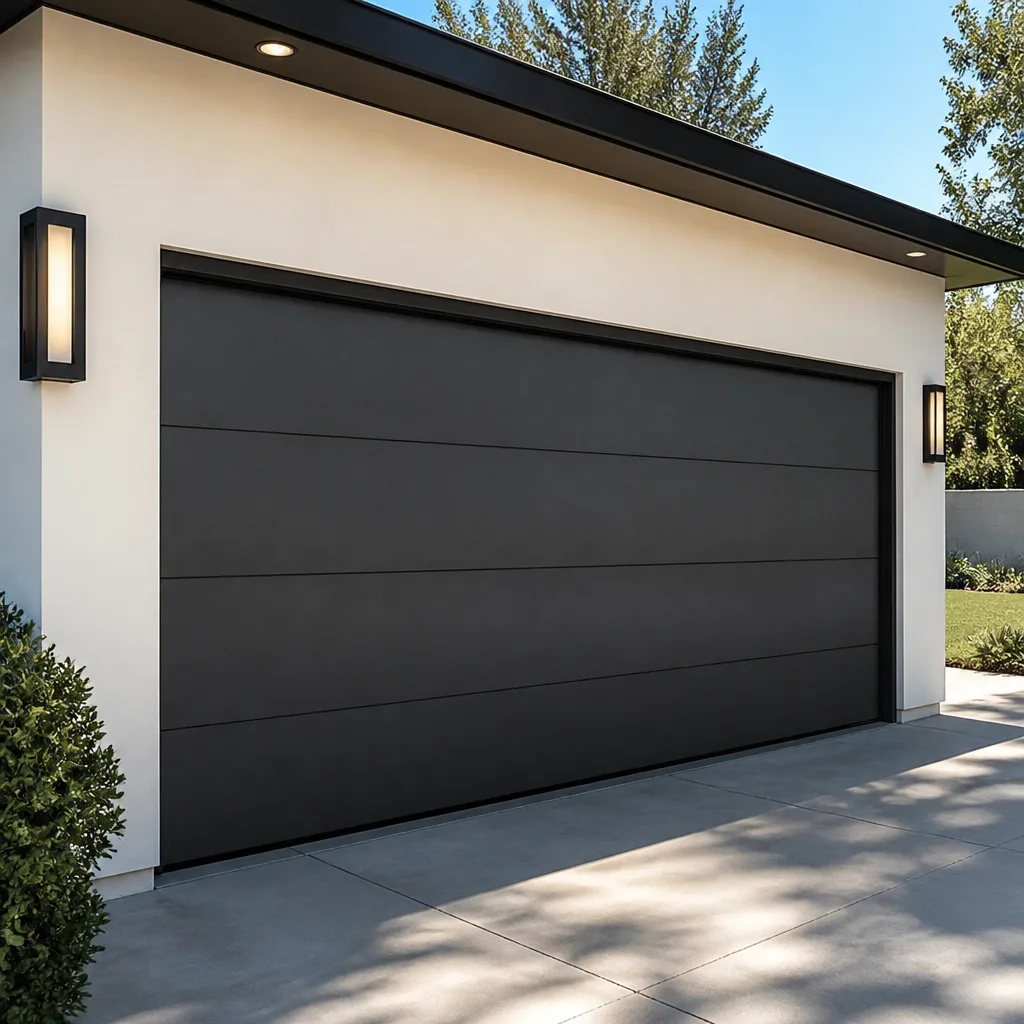 Modern flush
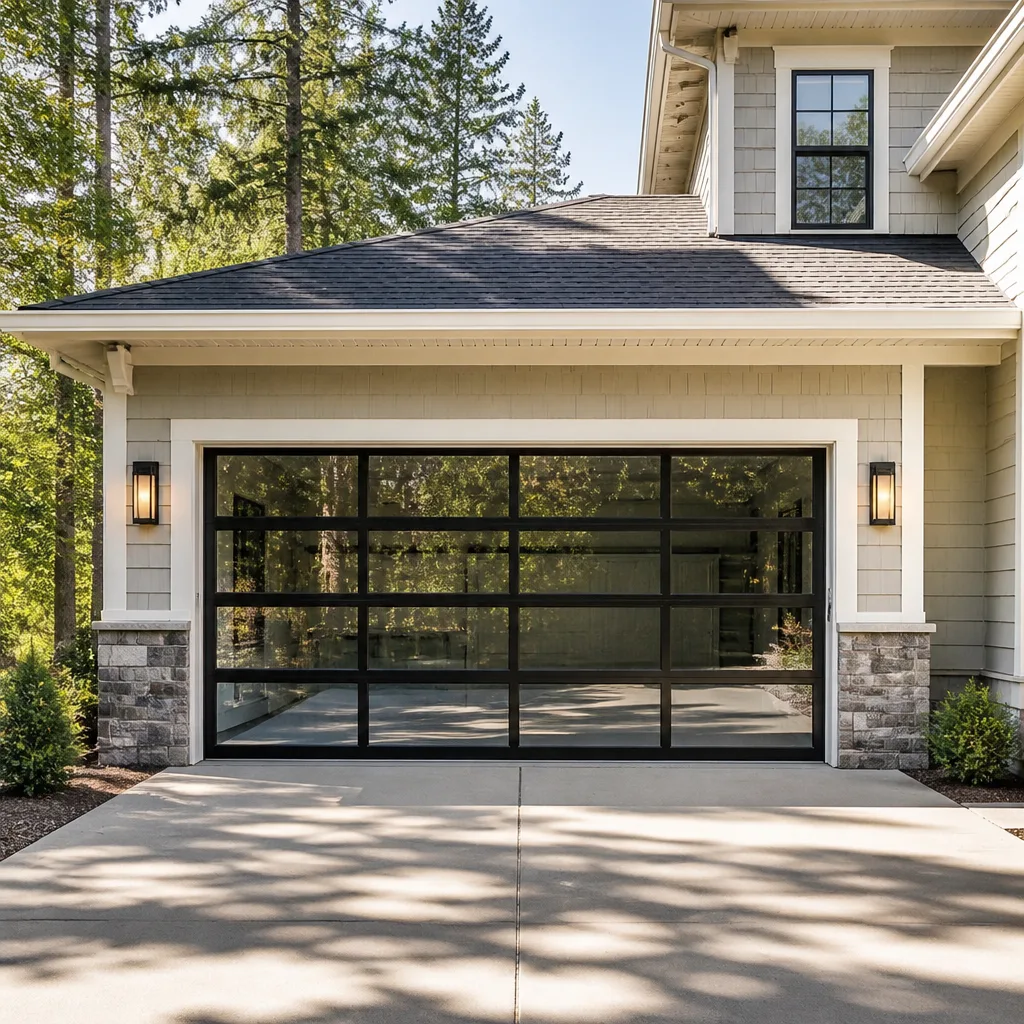 Full-view glass
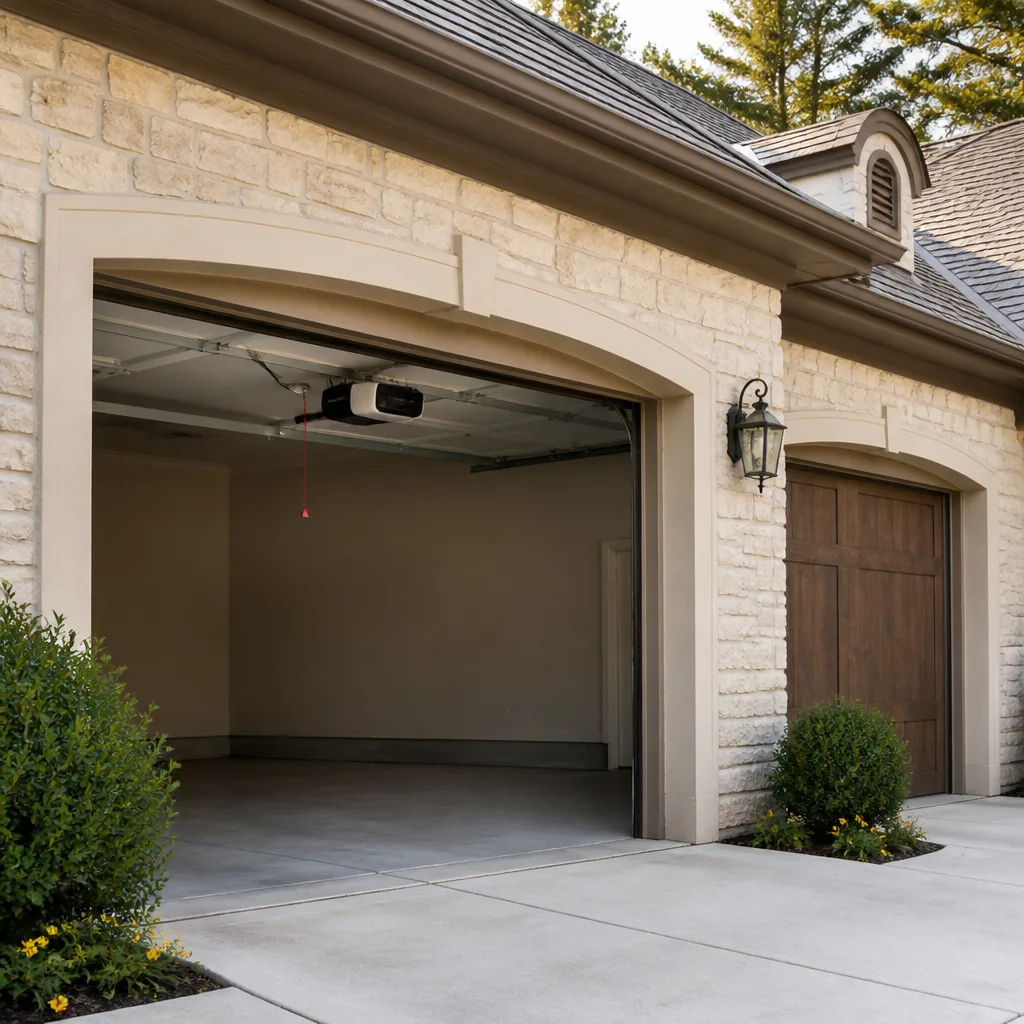 LiftMaster openers
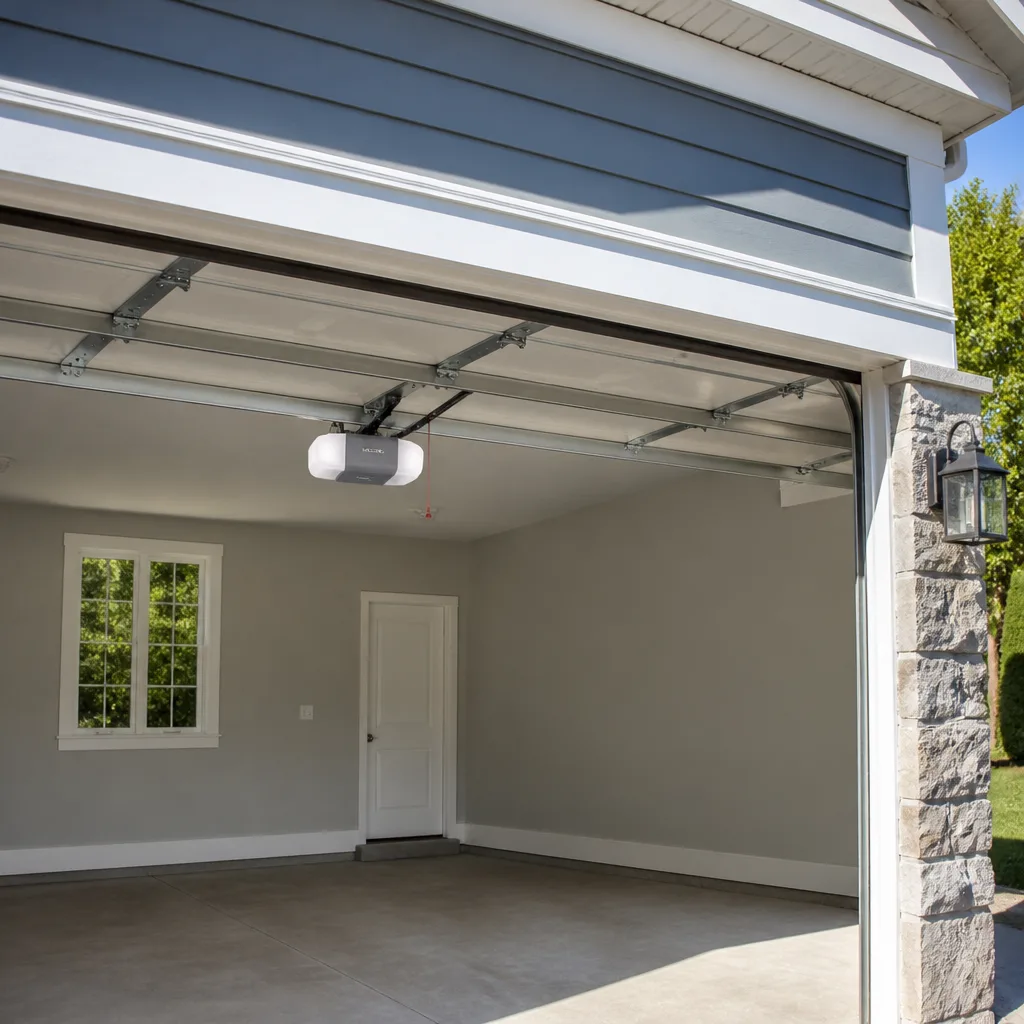 Chamberlain openers
Full 25-point door and opener safety check with every visit - springs, cables, rollers, tracks, and your LiftMaster or Chamberlain opener included
You get a price before we start. It does not change when the pro arrives.
Get your free estimateDIY vs Professional Garage Door: The Middletown Township Homeowner’s Decision Guide
Here’s the part most DIY videos skip: a standard torsion spring stores enough energy to throw a grown adult across a garage floor if it lets go while you’re standing under it. That’s not a liability disclaimer, it’s physics. The real question isn’t whether you’re handy enough to fix your garage door. It’s which specific parts of the door put your body at risk when they fail, and which parts a careful homeowner can genuinely handle on a quiet afternoon. This Middletown Township guide breaks the whole door down task by task, so you know exactly where the safe DIY line sits and why.
Quick Answer
Most garage door repairs split cleanly into two groups. Springs, cables, rollers under tension, panel replacement, and opener wiring belong with a trained specialist because a failure can injure you and because a wrong install quietly voids panel and opener warranties. Bottom seals, hinge lubrication, sensor alignment, and visual inspections are safe for a prepared homeowner with the right tools. Everything else comes down to knowing when a small symptom is masking a bigger mechanical problem.
Styles & brands we work with
- Raised-panel steel
- Carriage house
- Modern flush
- Full-view glass
- LiftMaster openers
- Chamberlain openers
Table of Contents
- Safe to DIY vs Hire a Specialist: A Task-by-Task Breakdown
- Why Torsion Springs and Cables Are in a Class of Their Own
- The Real Cost Comparison: DIY vs Professional in Middletown Township
- The Tasks That Quietly Void Your Manufacturer Warranty
- Tools Required for Legitimate DIY Work
- When a “Simple Fix” Is Hiding a Bigger Problem
- What Makes Garage Doors in Middletown Township Different
- How to Decide in Five Minutes
Safe to DIY vs Hire a Specialist: A Task-by-Task Breakdown
The honest answer to “can I DIY this?” depends entirely on which part of the door you’re touching. General handyman confidence tells you almost nothing about whether a specific job is safe, because the risk in garage doors lives in stored mechanical energy, not in difficulty. Here’s the split.
Safe for a prepared homeowner
- Bottom seal (weather seal) replacement. The rubber strip at the floor wears out and lets in drafts, water, and pests. It slides out of a track at the bottom of the lowest panel. No stored tension, no overhead risk. A clean ladder and a few minutes.
- Hinge and roller lubrication. A light application of garage-door-rated lubricant on hinges, rollers, and the torsion bar bearings quiets a noisy door and slows wear. No disassembly.
- Safety sensor alignment. If the door reverses as soon as it nears the floor, the photo-eye sensors near the bottom of the tracks are probably knocked out of line or dirty. Cleaning the lenses and re-aiming them is a five-minute job.
- Visual inspection. Look at the springs for gaps or a stretched coil, check hinges for cracks, and watch the door travel for wobble. You’re looking, not touching.
- Light track straightening. A very slight bump that’s made the door drag can sometimes be nudged back. If it looks bent beyond a hair, stop and call.
Hire a specialist for these – every time
- Torsion and extension spring replacement. This is the highest-risk job on the door and the one most often mishandled.
- Cable replacement or adjustment. Cables sit under hundreds of pounds of tension alongside the springs. A snapped cable can cut or whip.
- Panel replacement. A bent or cracked panel carries weight across the whole frame. Getting the tension balance right after a swap affects every moving part above it.
- Opener repair, wiring, or logic board replacement. Line voltage and low-voltage logic share a housing. Mistakes can damage the unit or create a shock hazard.
- Track replacement. Realigning or replacing tracks requires the springs to be released first, which puts you back in spring territory.
- Roller replacement on a tensioned door. Sounds simple. The moment you remove weight from one side, the door can drop or shift.
Notice the split isn’t about how mechanical the task feels. Lubrication is mechanical and safe. Roller swaps are mechanical and unsafe. The line is tension: if a task requires you to work around stored energy or relieve it, step back. If it doesn’t, you’re fine.
Why Torsion Springs and Cables Are in a Class of Their Own
A torsion spring is a tightly wound steel coil holding the entire weight of your door in balance. When the door closes, the spring winds tighter. When it opens, the spring releases. That stored energy is what makes a 200-pound door feel like 10 pounds in your hand. When the spring finally breaks, it releases all at once, usually without warning and usually while someone is standing directly underneath it.
Extension springs, still found on older doors in Middletown Township, stretch along the horizontal tracks and snap toward the wall when they fail. Both designs demand the same thing: you have to unwind the tension under controlled conditions before you touch anything, using winding bars sized for the spring. Doing it with a screwdriver, a pair of pliers, or a crescent wrench is how serious hand injuries happen. We’ve seen the aftermath of that shortcut more than once.
Cables are the second half of the danger. They run from the bottom corner of the door up through the spring system and carry the same tension. A cable that slips its drum while your hand is near it can lacerate a palm in a fraction of a second. Adding to the risk, cable and spring tension are matched to a specific door weight. Replacing a spring with the wrong gauge or wire size – which is common when a homeowner buys a spring online by eyeballing it – creates a door that balances badly, wears hard, and can fail again quickly.
This is why garage door spring repair is a core service for us rather than a side job. The safety margin on a spring replacement comes from repetition, correct parts, and knowing how much tension the door actually needs.
The Real Cost Comparison: DIY vs Professional in Middletown Township
DIY looks cheaper on paper until you add the parts, the tools you don’t own, and the risk of a wrong install that costs more to correct than the original repair. Here’s a fair side-by-side for the most common jobs. All figures are typical estimates for the Middletown Township area; the written quote always sets the final price.
- Torsion spring, one spring, professional repair: typically $180 to $340 installed. A matched pair is usually replaced together, so a pair runs roughly twice that. Includes the correct spring for your door weight and a clean release and re-tension.
- Torsion spring, DIY: $40 to $90 for the spring, $30 to $60 for a pair of winding bars, plus the real risk of a serious injury if the winding goes wrong. No warranty on your own work.
- Bottom seal replacement, professional: typically $120 to $220. DIY: $25 to $50 for the seal.
- Sensor realignment, professional: typically $90 to $150. DIY: free if the mount just needs nudging.
- Opener repair, professional: typically $150 to $350 depending on the part. DIY: a replacement logic board or gear kit runs $60 to $150, but the wrong install can damage the unit and void the warranty on a garage door opener repair that would otherwise be covered.
- Panel replacement, professional: typically $250 to $600 per panel. DIY: a Clopay or Amarr panel can cost $150 to $400, but a mismatched balance adjustment afterward often costs more than the panel.
Now add the time. A spring replacement done properly is often a 45-minute job with the right tools and the right spring on hand. A homeowner attempting it for the first time can spend an entire afternoon fighting the winding and still end up calling. Our technicians have up to 13 years of experience, and the speed you see on a repair is a direct result of that repetition – they aren’t learning on your door.
The other hidden line item is a warranty. A new spring installed by a professional carries a workmanship guarantee. A spring you install yourself carries neither a parts warranty from most sellers nor any labor guarantee, and if the door goes out of balance and damages the opener, you’re covering that too. When the math shakes out, the gap between a professional spring repair and a DIY attempt is usually narrower than it first looks. And on any professional job, the price is quoted and agreed before any work starts – you know the number going in, and that number is the number on the written estimate.
The Tasks That Quietly Void Your Manufacturer Warranty
Manufacturers write their warranty terms around installation and adjustment standards, and they have real teeth on doors and openers. If you’re running a Chamberlain or Genie opener, or a Clopay or Amarr door, it pays to know which DIY moves put that coverage at risk.
- Spring replacement with a mismatched wire size. A spring that isn’t matched to the door’s weight overworks the opener. Many opener warranties exclude damage caused by an improperly balanced door.
- Track realignment attempts. Bending tracks back into place with a hammer or pry bar is easy to overdo. A bent track can void panel coverage and misalign the door.
- Opener wiring and logic board swaps. Cutting into factory wiring or installing a non-approved accessory usually voids the opener’s coverage. If the board was already under warranty, an improper repair can take that away.
- Panel replacement with the wrong part number. Panels are matched to a specific door series and gauge. A mismatched panel can strain hinges, and door manufacturers can decline claims on a door with mixed components.
- Force and limit adjustments on the opener. Raising the force setting to compensate for a stiff door is a common DIY “fix” that masks the real problem and puts kids and pets in harm’s way. It’s also the kind of adjustment a manufacturer can point to when a warranty claim comes in.
If your equipment is still under warranty, a specialist who knows your brand’s install standards is the safer choice. It’s also cheaper than discovering the coverage is gone when a larger repair comes up later.
Tools Required for Legitimate DIY Work
Half the reason a “simple” garage door job goes sideways is a missing tool. If you don’t have the following on hand, that’s your signal to leave the task to a specialist rather than improvise.
- A stable stepladder. Most DIY garage door work happens at chest height or above. A wobbly kitchen chair is how people fall.
- Two winding bars (if you ever touch springs). Sized to the spring cone, not a screwdriver. If you don’t own them, do not attempt spring work – the whole point is controlled release.
- Garage-door-rated spray lubricant. Lithium grease or a silicone-based spray. WD-40 works for cleaning but isn’t a long-term lubricant for hinges and rollers.
- Adjustable wrench and socket set. For sensor brackets, hinge bolts, and opener mounting hardware.
- A firm brush and cloth. For cleaning the sensor lenses at the bottom of the tracks.
- Gloves and safety glasses. Springs, cables, and metal tracks are sharp and under load. Eye protection isn’t optional.
- A helper. Any task that involves holding one side of the door while working on the other needs a second set of hands.
Notice there’s nothing exotic on that list. Bottom seals, lubrication, sensor work, and inspections don’t require specialist tooling – which is exactly why they’re genuinely doable. The tasks that need winding bars, door-weight charts, and a spring stretcher aren’t in the safe category to begin with. If you’re buying tools just for one repair, the math usually tips toward paying for the repair.
When a “Simple Fix” Is Hiding a Bigger Problem
Plenty of DIY repairs fail not because they were done badly, but because they treated a symptom while the underlying cause stayed put. A door that won’t close all the way isn’t always a sensor problem. Here are the patterns we run into most often.
- Door reverses before hitting the floor. Sensitivity sensors are the usual suspect, but the real cause is often a bound track, a dry roller, or a spring that’s lost tension. Cleaning the sensor fixes nothing if the door is laboring because the spring is tired. The opener is faithfully doing its job of reversing on resistance.
- Door is noisy. Lubrication helps. If it’s still grinding after a good lube, a worn roller or a bent track is the real problem, and lubrication has only quieted the symptom for a while.
- Opener runs but the door doesn’t move. Sometimes it’s a broken spring and people don’t realize it. A door with a snapped spring feels heavy when you lift it by hand and travelers can be tempted to raise the force setting. That overloads the opener’s motor and gears and shortens its life.
- Door stops halfway up. Could be the opener’s limit switch, could be a roller catching a track kink, could be a failing spring. Guessing which one and swapping parts is the expensive way to find out.
- A gap at one corner. A bottom seal swap fixes the gap. A warped or misaligned panel is the more likely cause on a door more than a few years old, and a new seal won’t close it for long.
Diagnosis is where a specialist earns their fee, and it’s where single-trade focus matters. A company that only works on garage doors has seen these patterns hundreds of times. A generalist doing a bit of everything is more likely to hand you a sensor alignment when you needed a spring. If you’re not sure which bucket a symptom falls into, one call to Middletown Garage Door Repair Pros for a free estimate is usually cheaper and faster than buying a part and hoping.
What Makes Garage Doors in Middletown Township Different
Garage doors here live through real seasonal swings. Hot, humid summers and cold winters that swing thirty degrees in a day put stress on springs, seals, and wood panels. A spring that’s near the end of its life often gives out on the first cold snap of the year, when the metal contracts and the door feels noticeably heavier to the opener. If your door gets sluggish every January and February, that’s not your imagination, it’s the season.
Snow and ice are their own story. Plowed snowbanks against the bottom seal, frozen tracks, and ice dams at the threshold all take a toll. A bottom seal that’s cracked from a cold winter will let meltwater into the garage, and that water finds its way to hinges and tracks. Keeping the lower tracks clear and dry in the winter slows the wear that shows up as a noisy door in spring.
Then there’s housing. Middletown Township has a mix of older homes with extension-spring doors and newer construction with torsion systems and modern openers. The two require different parts and different approaches, and a homeowner buying DIY parts online needs to know which one they have before clicking “add to cart.” If it’s an extension spring door, the whole safety approach changes.
Wiring codes here also affect what you can legally do yourself on an opener. We don’t hand out code advice, because it’s the local electrical inspector or the building department who has the final word – ask them before you wire anything into a dedicated circuit. If the work is beyond a wall-plug swap, get it inspected, or hire a specialist. Middletown Township homes also tend to have attached garages, which means an improperly adjusted opener puts living space on the other side of a door that was never meant to be a barrier. That’s one more reason to treat opener adjustments carefully. A proper garage door repair in Middletown Township should include a balance and safety-reverse test at the end, not just a part swap.
If you’re replacing an entire door rather than repairing one, this is also the moment to check your brand match. The opener on your ceiling may be a Chamberlain or Genie, and the door you’re looking at may be a Clopay or Amarr. Compatibility is worth confirming before you buy, and a specialist will confirm it as part of the estimate.
How to Decide in Five Minutes
Run through these questions in order. The first “yes” tells you what to do.
- Does the task involve a spring or cable? If yes, hire a specialist. Stop here.
- Does the task require you to work under the door or on a tensioned roller? If yes, hire a specialist.
- Is the equipment still under manufacturer warranty? If yes, and the fix is anything beyond a seal or a lube, hire a specialist to keep the warranty intact.
- Do you have the tools and a helper? If no, don’t start until you do.
- Does the symptom keep coming back after a small fix? If yes, call for a diagnosis – you’re masking a bigger problem.
- Is it a bottom seal, lubrication, or sensor alignment? If yes, go for it. Those are yours to handle.
Common Mistakes to Avoid
- Using a screwdriver as a winding bar. The tool slips, the spring releases, and the injury is serious. There’s no version of this that’s safe. Buy the proper bars or leave the job to a specialist.
- Buying a spring online by measuring its length. Springs are matched by door weight and cycle life, not just length. A wrong spring loads the opener and wears out faster than the original.
- Cranking up the opener’s force setting to compensate for a stiff door. This masks a spring or roller problem and defeats the safety-reverse feature. It’s the number-one cause of repeat “fixes” that end in a bigger repair.
- Assuming a sensor problem is always the sensors. A binding track or tired spring will make the door reverse on resistance. Cleaning the lens and re-aiming won’t fix it, and it won’t come back next week either.
- Replacing one panel of a matched set with a mismatched part. Door series and gauge matter. A panel that doesn’t match can strain hinges and void panel coverage.
- Ignoring a gap at the bottom of the door in winter. Meltwater reaches hinges and tracks and speeds corrosion. A seal that’s a few dollars to replace can prevent a repair in the hundreds.
- Skipping the safety-reverse test after any adjustment. Place an object in the door’s path and confirm it reverses. If it doesn’t, stop and call. This test is quick, free, and it’s the one thing every homeowner should do monthly.
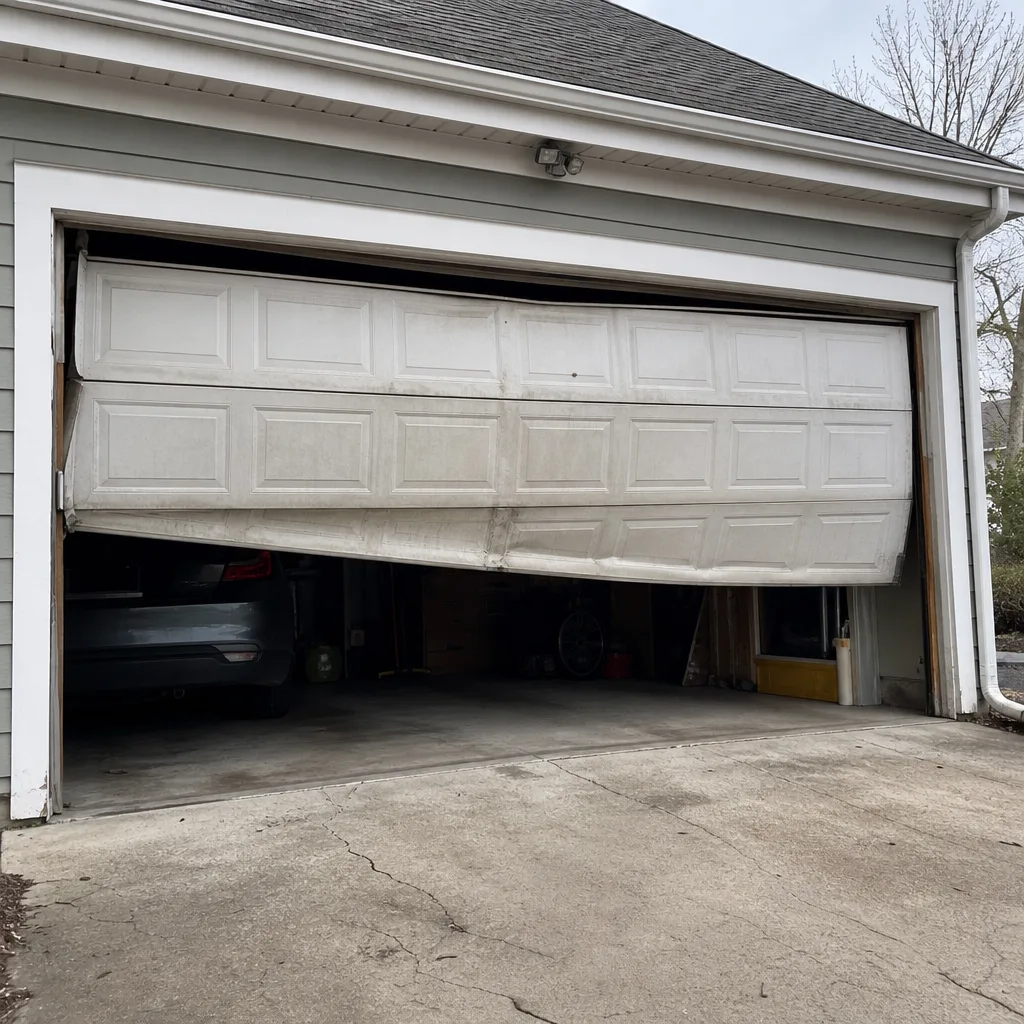
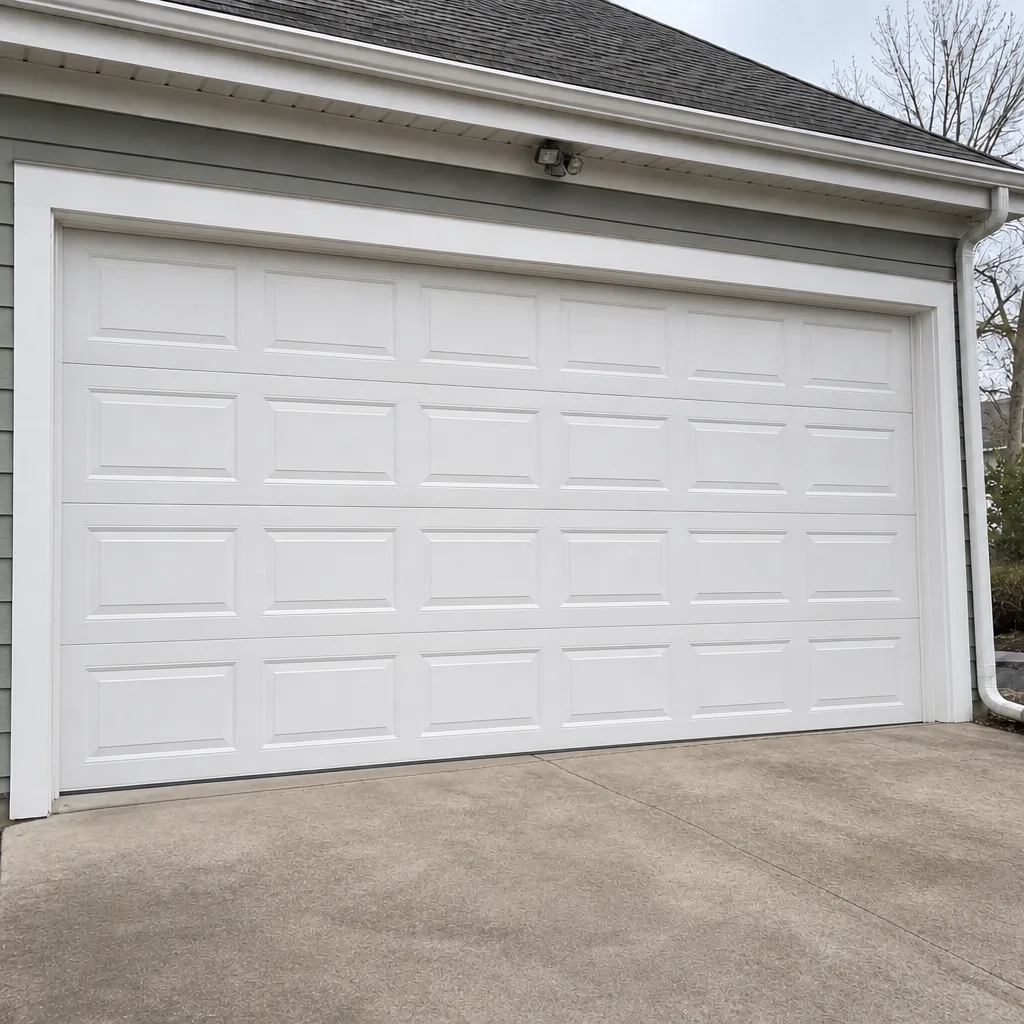
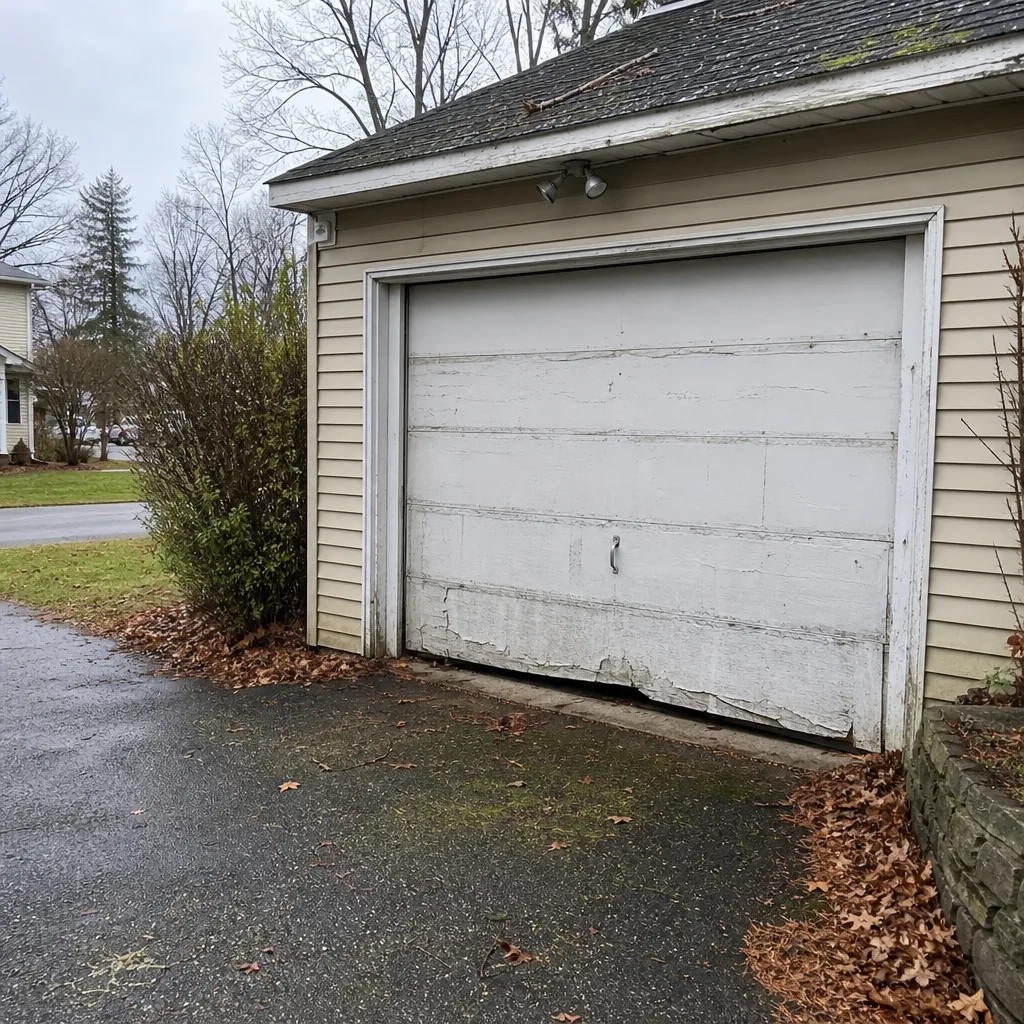
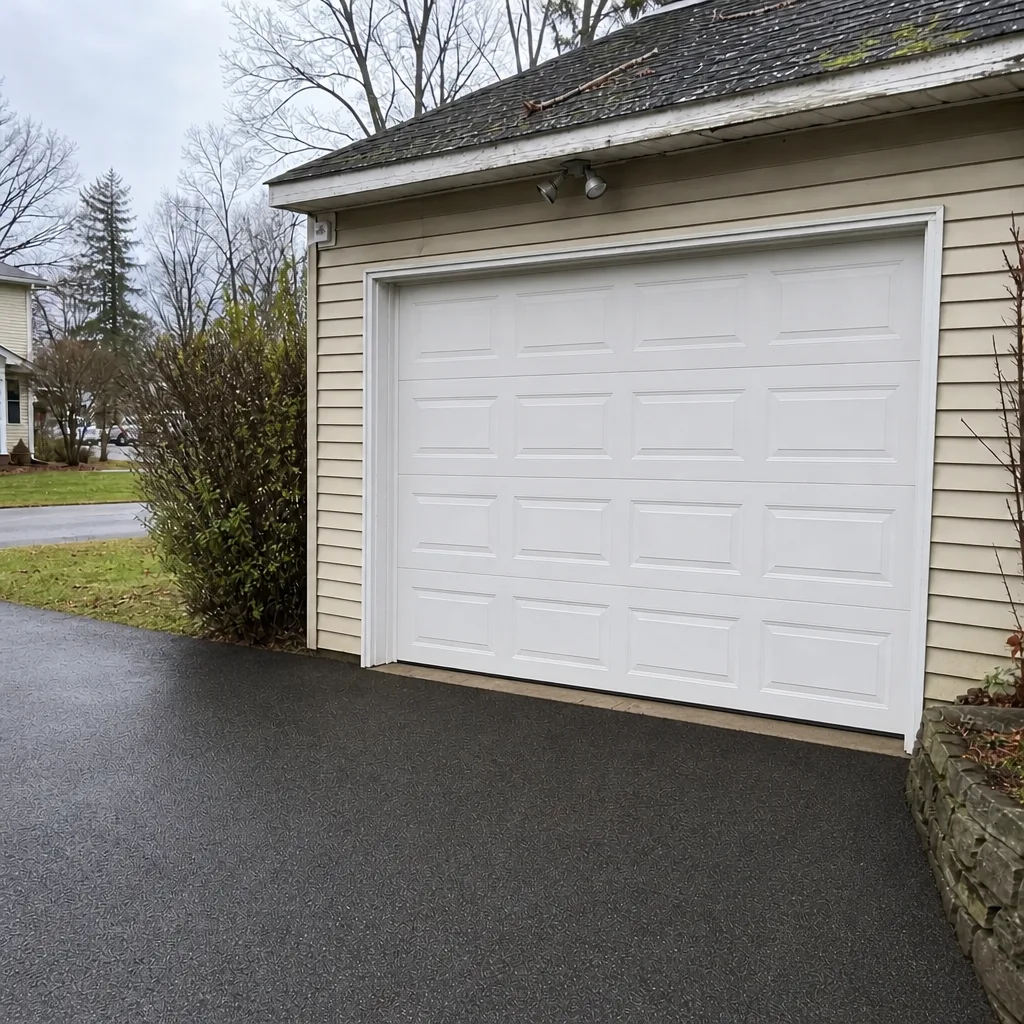
See the difference
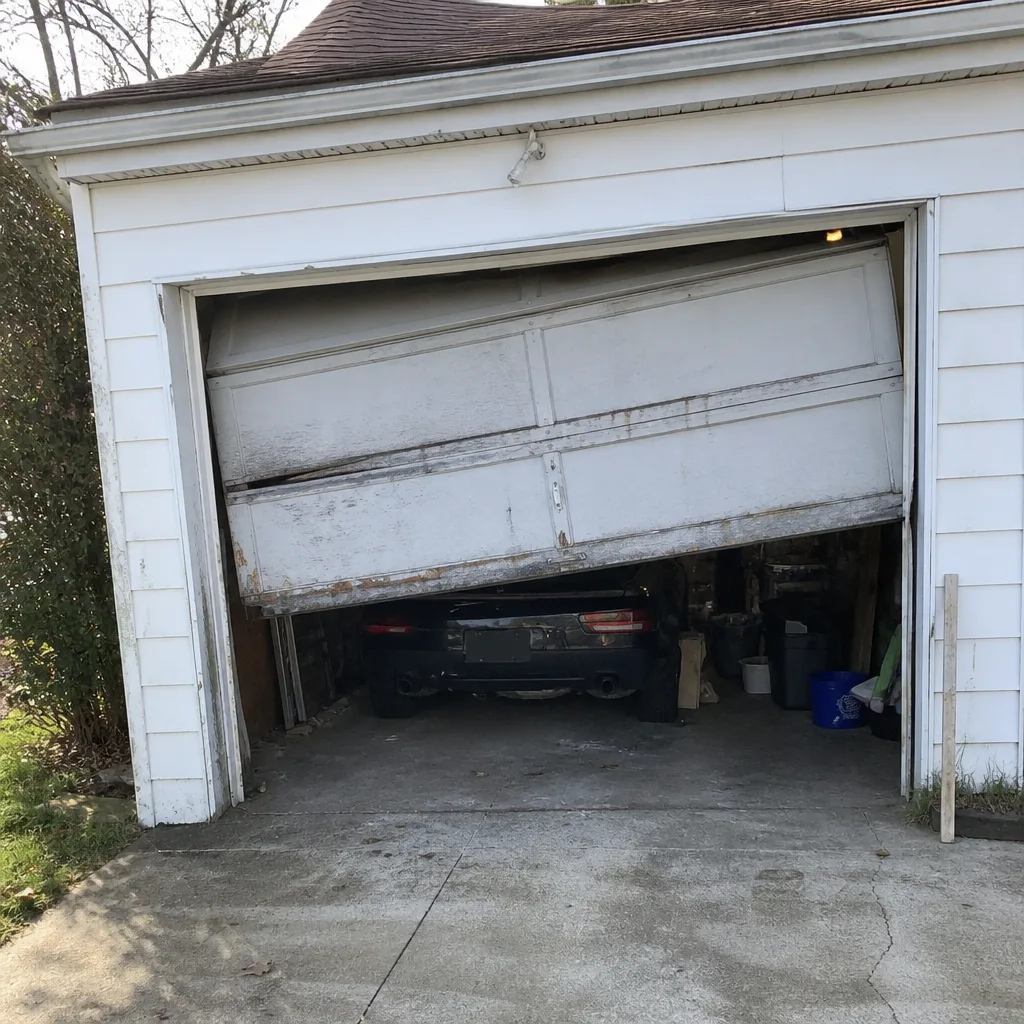 Before
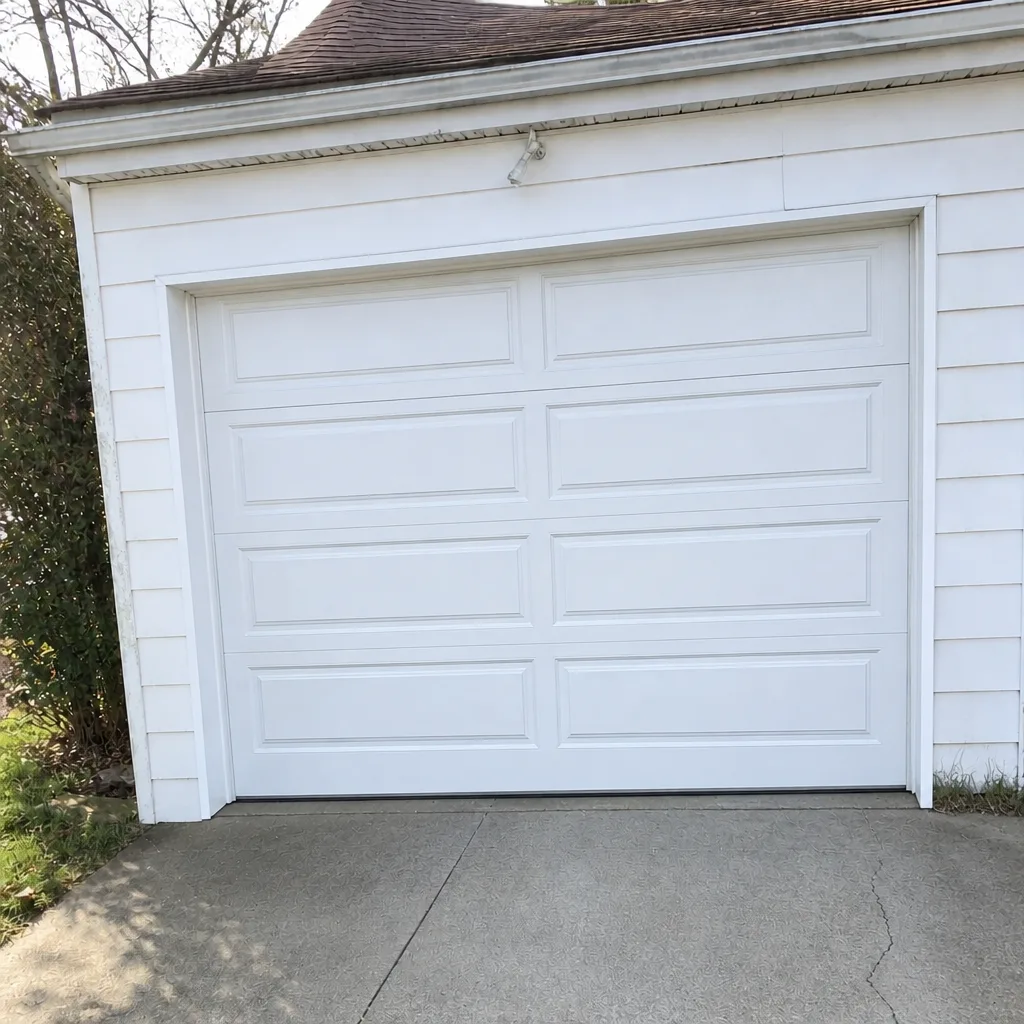 After
 Before
 After
 Before
 After
When to Call a Professional
Call a specialist if the door has a broken spring, a snapped cable, a dropped side, or a sagging panel. Call if the opener hums without moving the door, if the door reverses unpredictably, or if the safety-reverse test fails. Call if a panel is bent, if a track is visibly kinked, or if the door looks crooked from the street. Call if your equipment is still under warranty and the fix is anything beyond a seal or a lube. And call if a small fix hasn’t solved the problem twice – you’re treating a symptom and the real cause is still there. Middletown Garage Door Repair Pros offers free estimates in Middletown Township – call (855) 425-4845.
Frequently Asked Questions
You shouldn’t, and we don’t recommend it to anyone.
A torsion or extension spring holds enough stored energy to cause serious injury if it releases unexpectedly, and the winding process requires tools sized to your specific spring. Even experienced techs treat this as the highest-risk job on the door. The correct spring also has to match your door’s weight, which isn’t visible from the outside. If a spring has failed, call (855) 425-4845 – estimates are free, and the price is agreed before any work starts.
Bottom seal replacement, hinge and roller lubrication, sensor alignment, and visual inspection are all safe for a careful homeowner with a ladder and the right tools.
Those jobs don’t involve stored tension or electrical work. Everything else – springs, cables, panels, tracks, and opener wiring – belongs with a specialist. If you’re ever unsure which bucket a task falls into, ask before you start.
Typical spring repair in the Middletown Township area runs $180 to $340 for one spring installed. A matched pair is usually replaced together, so a pair costs about twice that.
The figure depends on the spring size and the door weight, and the written quote sets the final price. Call (855) 425-4845 for an exact quote – estimates are free.
It can, and often does, when the work involves springs, wired openers, or panel replacement with a mismatched part.
Manufacturers write their coverage around install standards. A wrong spring size, a non-approved wiring change, or a mismatched panel can give them grounds to decline a claim. If your equipment is still under warranty, a specialist is usually the cheaper route in the long run.
Start with the sensors – clean the lenses and check alignment – because that’s usually the issue and it’s a five-minute fix.
If the door still reverses, or if the reversing comes and goes, a binding track or a tired spring is the more likely cause. Running the door by hand will tell you: if it feels heavy or catches, stop and call. A specialist can diagnose it in a single visit and quote it on the spot.
Most likely, yes. We work on the brand already in your garage, including Chamberlain and Genie openers and Clopay and Amarr doors.
Our technicians arrive familiar with the system you own, which shortens diagnosis and keeps the repair to the part that actually failed. You don’t need to know the model before you call – a photo of the opener and the door is usually enough.
The Bottom Line
The DIY vs professional question for garage doors isn’t about your confidence or your skill. It’s about stored energy and warranty terms. Bottom seals, lubrication, sensor alignment, and inspections are genuinely doable – the tools are simple, the risk is low, and doing them yourself saves money. Springs, cables, panels, tracks, and opener wiring are a different animal: a mistake can hurt you and can quietly void the coverage on equipment you already paid for. When a small fix hasn’t fixed the problem twice, that’s your signal to stop guessing and get a diagnosis. Middletown Garage Door Repair Pros handles the full job, from spring replacement to a complete new door, so you don’t need a second company as your needs change. Call (855) 425-4845 for a free estimate in Middletown Township – the price is quoted and agreed before any work starts.
Written by the team at Middletown Garage Door Repair Pros.