Last updated November 21, 2026
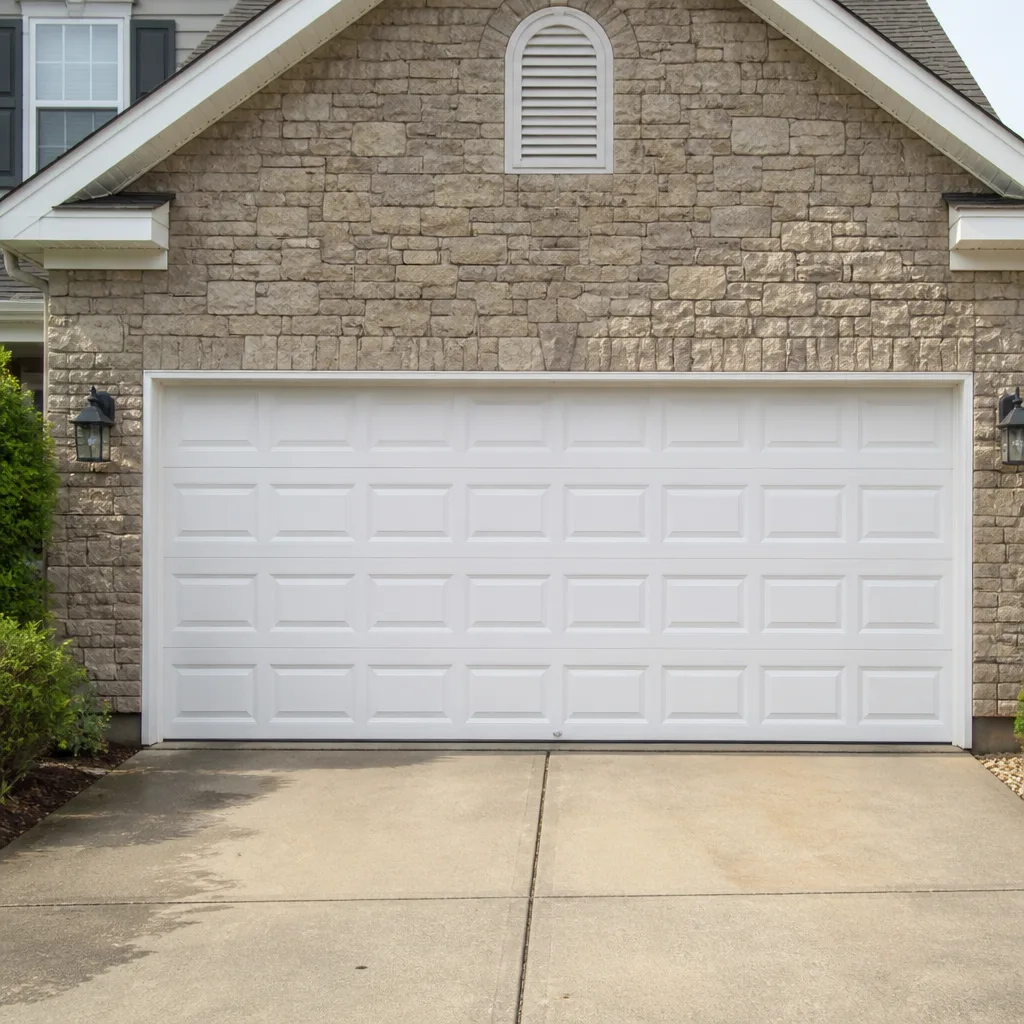 Raised-panel steel
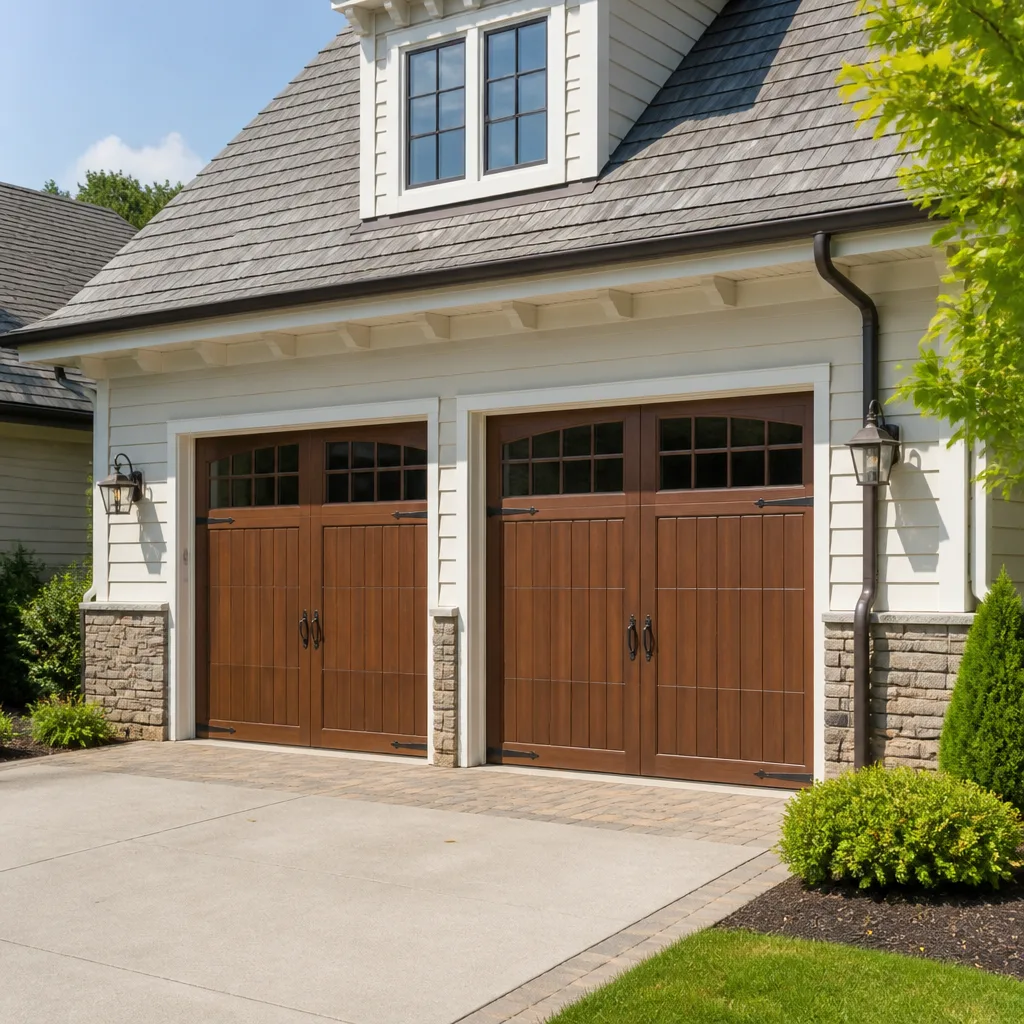 Carriage house
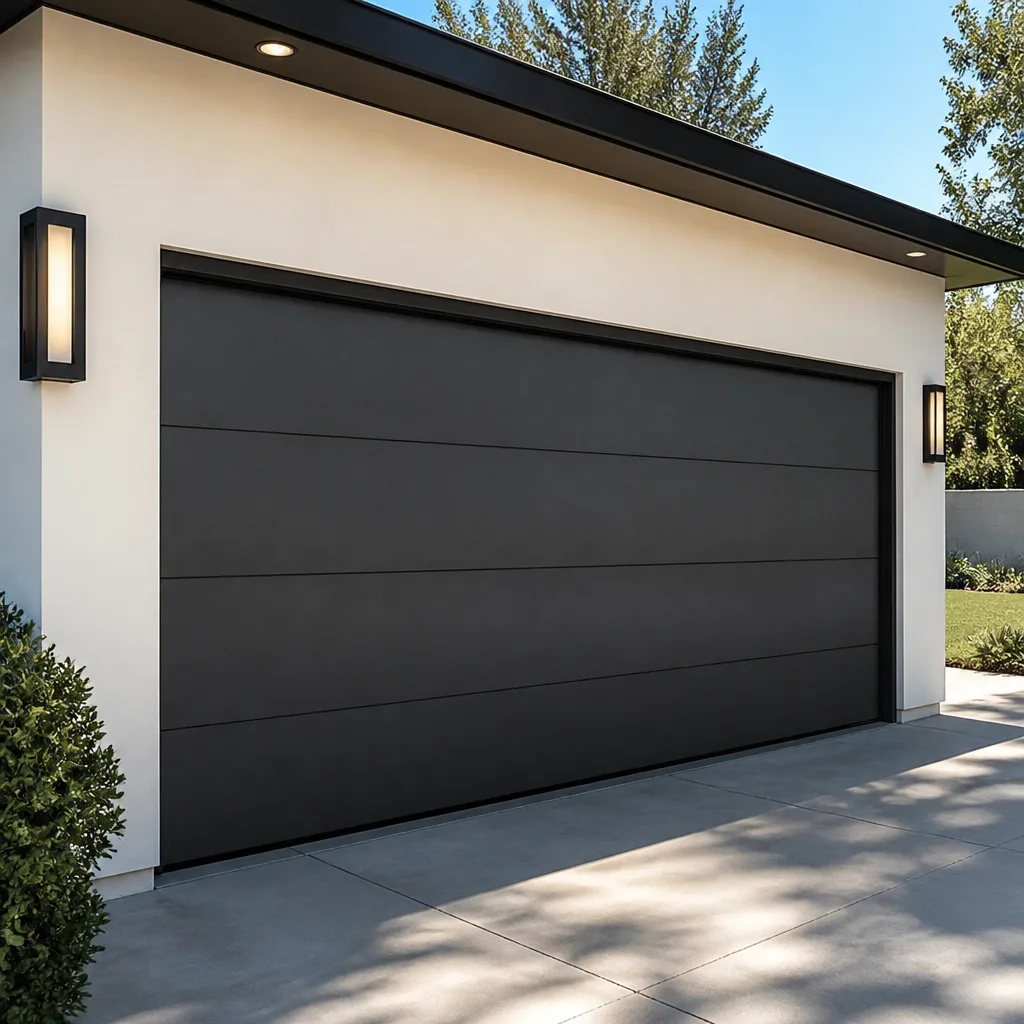 Modern flush
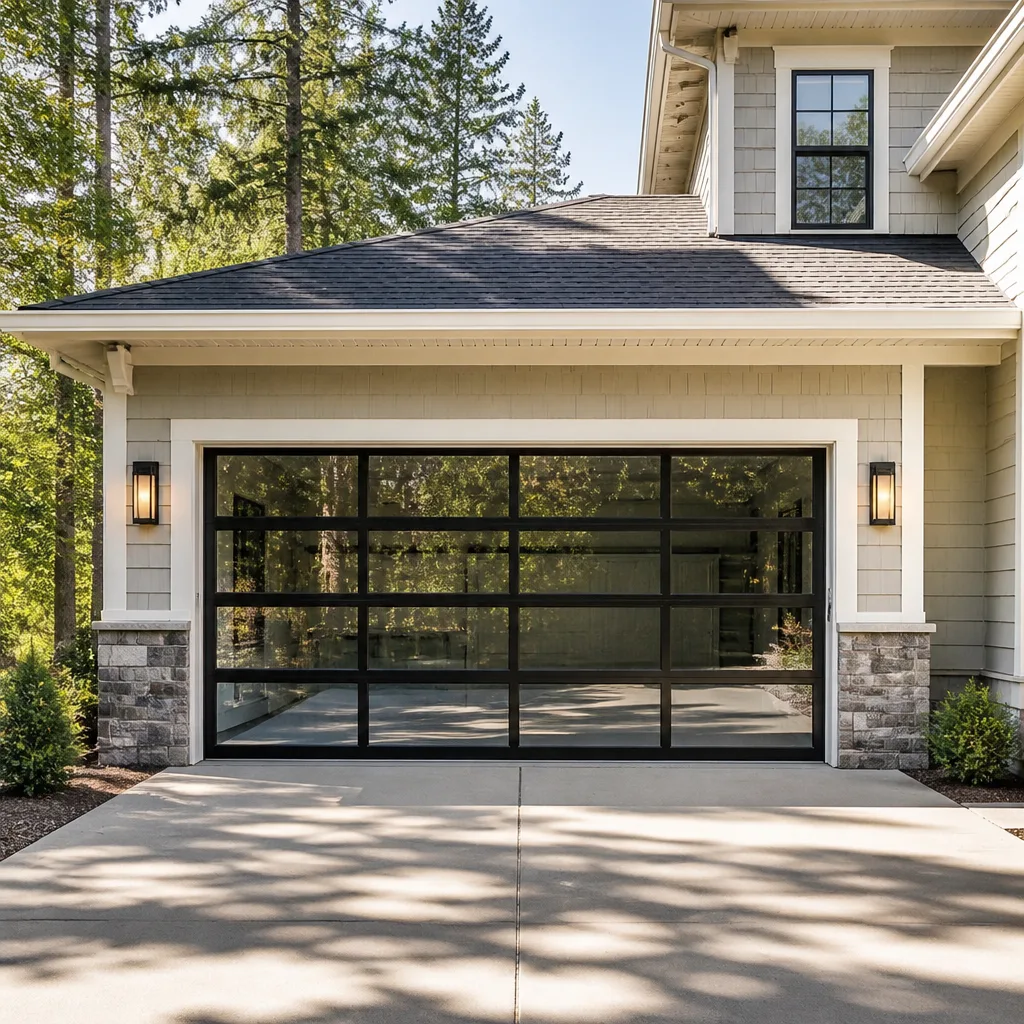 Full-view glass
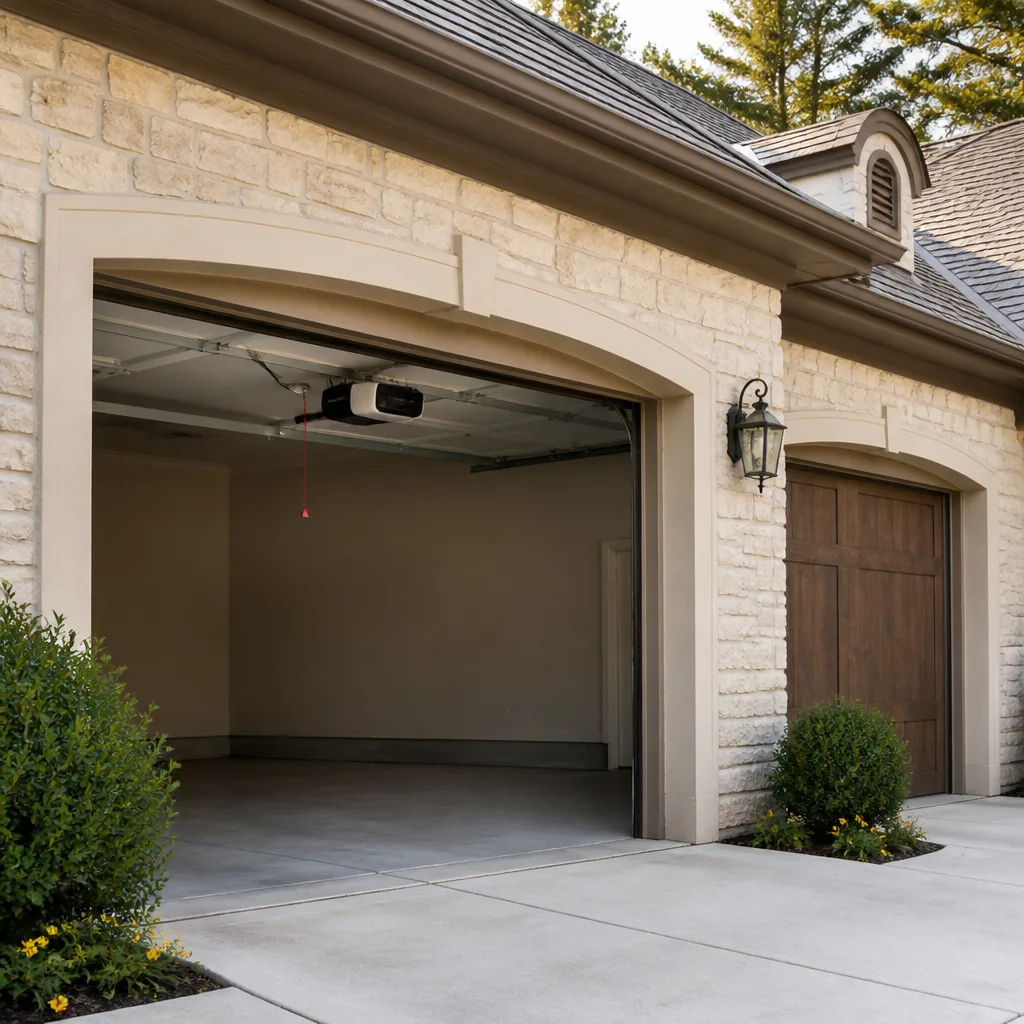 LiftMaster openers
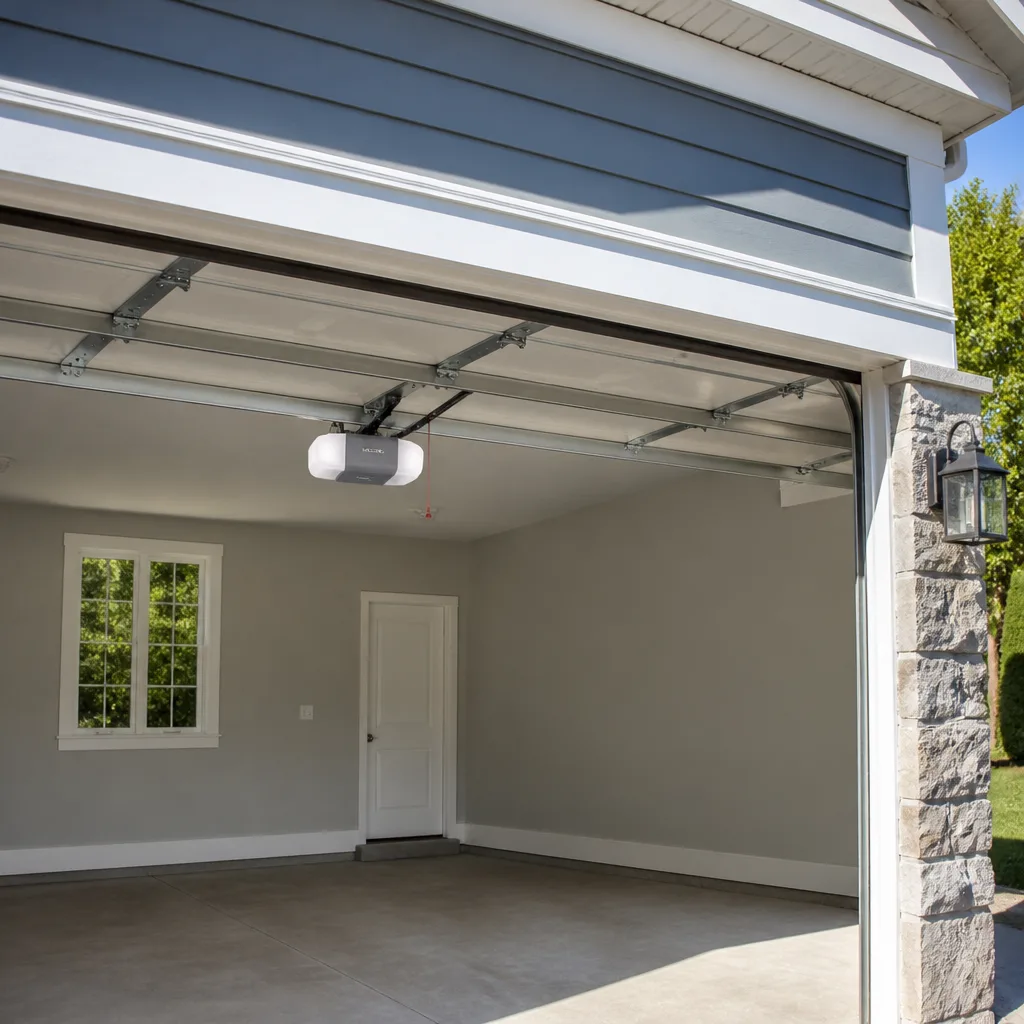 Chamberlain openers
Full 25-point door and opener safety check with every visit - springs, cables, rollers, tracks, and your LiftMaster or Chamberlain opener included
You get a price before we start. It does not change when the pro arrives.
Get your free estimateGarage Door Repair Maintenance Checklist for Middletown Township Homeowners
There are exactly two things on a garage door that a homeowner should never adjust themselves: torsion springs and cable drums. Every other checklist item in this guide exists so you can catch problems before those two components fail. Most online maintenance lists treat a torsion spring the same as a door hinge, which is how homeowners end up winding a spring under load with a pair of pliers and a ladder. This guide splits garage door upkeep into three tiers: what you can safely do monthly, what needs an annual professional inspection, and what should never leave the hands of a trained technician. We’ll cover lubrication done right, visual checks that won’t put you near tension-bearing parts, the seasonal adjustments Middletown Township weather demands, and how to log it all so your warranty and a future home sale stay protected.
Quick Answer
A garage door maintenance checklist for Middletown Township homeowners covers three tiers: monthly homeowner checks (visual inspection of rollers, cables, seals, and hardware plus correct lubrication), an annual professional inspection of springs, cables, and opener torque, and a hard-stop list of jobs no homeowner should perform (torsion springs and cable drums). Annual professional service and monthly visual checks are what keep a door out of emergency-failure territory.
Styles & brands we work with
- Raised-panel steel
- Carriage house
- Modern flush
- Full-view glass
- LiftMaster openers
- Chamberlain openers
Table of Contents
- Why a Real Garage Door Checklist Matters in Middletown Township
- Tier 1: What You Can Safely Do Every Month
- Lubrication Done Right (and What Never to Spray)
- Visual Inspection Without Touching Tension
- Seasonal Adjustments for New Jersey’s Temperature Swings
- Tier 2: The Annual Professional Inspection
- Tier 3: The Never-DIY List
- Logging Maintenance History for Warranty and Home Sale
Why a Real Garage Door Checklist Matters in Middletown Township
A garage door is the largest moving object in the home and the one most homeowners trust with their daily entry and exit. In Middletown Township, that combination matters more than in most places. The garage is often the primary door, not a secondary one. When it fails, the whole household feels it, and the house sits less secure.
What we’ve seen across the years is that door failures rarely announce themselves. They build slowly: a roller that starts flat-spotting, a cable that frays one wire at a time, a spring that loses tension as the seasons shift. Each of those is cheap and quick to correct during maintenance. The same problem left alone turns into a snapped component, a door stuck halfway, and a call that can’t wait until the next available slot.
Middletown Township homes also carry a mix of door ages. Some neighborhoods have newer construction with factory-fresh Clopay or Amarr doors; others have doors well into their second decade, where the original hardware is finally asking for attention. The checklist in this guide is written to serve both. Whether your door is young or old, the tiers stay the same: monthly visuals, annual professional inspection, and a firm no-touch line around the high-tension parts.
If you’d like to know what a full Middletown Garage Door Repair Pros service visit covers, that page outlines the scope. For now, work through the tiers in order. Each builds on the last.
Tier 1: What You Can Safely Do Every Month
Monthly homeowner checks take about ten minutes and involve no tools beyond your eyes, ears, and a rag. The goal is detection, not repair. You’re looking for anything that changed since last month. Follow these in order:
- Listen before you look. Run the door up and down and stand still. Grinding, squealing, rattling, or a door that sounds like it’s laboring are all early warnings. A healthy door is quiet enough that you’ll notice the difference.
- Watch the door’s travel. A door that starts crooked, jerks mid-trip, or reverses for no reason needs a technician. A door that floats slowly and evenly is behaving.
- Check the hardware by eye. Look for loose bolts on the hinges and door brackets, and use a screwdriver to snug (not overtighten) any clearly loose bolts on the panel brackets.
- Inspect rollers and tracks visually. Rollers should look round and turn without wobble. Tracks should be parallel and free of dents or debris.
- Test the safety reverse. Place a small box or piece of wood in the door’s path and close the door. It must reverse on contact. If it doesn’t, stop using the automatic opener until it’s fixed.
- Check the bottom seal. The rubber seal along the bottom should sit flush against the concrete. Gaps waste energy and let in pests.
- Clean and lubricate (see the next section for what to use).
None of these steps puts your hands near a torsion spring or cable drum. All of them catch most early failures in Middletown Township homes before they become emergencies.
Lubrication Done Right (and What Never to Spray)
Lubrication is where homeowners cause the most avoidable damage. The single most common mistake we see: spraying WD-40 on the springs. WD-40 is a solvent-based penetrant, not a garage door lubricant. It cuts through grease and leaves the metal dry, which accelerates wear and attracts grit. It also does nothing for the torsion spring, which needs a proper lithium-based or silicone garage door lubricant.
Here’s the correct approach:
- Hinges, rollers, and bearings: a light spray of white lithium grease or a garage door-specific silicone lubricant. One short burst per hinge, and a small amount on each roller stem.
- Track surface: nothing. Tracks should stay dry. Lubricant collects dirt and causes the rollers to slide instead of roll.
- Torsion spring: a light coat of garage door lubricant designed for springs. Never WD-40.
- Weatherstripping: a silicone spray keeps the rubber supple and prevents cracking, especially through a New Jersey winter.
- Opener chain or screw drive: check the opener manual; some require grease, some require nothing.
Frequency matters as much as product. A monthly light application is better than a heavy annual one. If you’re not sure what your door already has on it, wipe the components clean before applying anything new.
Visual Inspection Without Touching Tension
Visual inspection is where homeowners gain the most ground. You can spot the majority of developing problems without putting a finger on a single tension-bearing component. The trick is knowing what “worn” looks like.
Rollers: Rollers should feel firm and spin without wobble. On steel rollers, look for flat spots, chipped edges, or a rusted core. On nylon rollers, look for cracks or a color shift. A worn roller is a door that drags.
Cables: A healthy cable is straight, stainless, and snug against its drum. What you don’t want to see:
- Individual wires broken or “birdcaged” (unwound and splayed)
- Fraying at the drum or where the cable meets the bracket
- Rust streaks along the cable length
- Cables hanging slack or sagging away from the door
Any of those is a reason to call a professional, not a reason to grab pliers.
Bottom seal and weatherstripping: Run your hand along the bottom seal (door at rest, opener off). It should be soft and continuous. Cracks, chunks missing, or a seal that’s peeled away from its track all reduce the door’s weather resistance and let water into the garage.
Panels and hinges: Look for bent or dented panels, rust spots, and hinges that have worked loose. Panel denting combined with a jammed hinge can skew the door’s travel, which puts strain on the springs.
If any of those checks turns up something, don’t touch the parts that hold tension. Make the call. That’s what our garage door repair service is for.
Seasonal Adjustments for New Jersey’s Temperature Swings
New Jersey’s climate swings hard across the year: cold winters, hot humid summers, and a lot of freeze-thaw cycles in between. Each of those affects a garage door in specific ways, and Middletown Township doors feel all of it.
Spring tension. Steel contracts in cold and expands in heat. A torsion spring set correctly in summer may feel slightly under-tensioned in a cold snap, which makes the door feel heavy. A spring set tight in winter can feel stiff on a hot July day. This is why we don’t recommend homeowners adjust springs to match the season. A slight difference is normal. A door that feels dramatically heavier after a cold snap is telling you the spring may be near failure and needs a technician’s eye.
Track alignment. Freeze-thaw movement shifts the ground beneath a garage slab a fraction each year, and door tracks can drift with it. In spring, look for tracks that were parallel last fall and aren’t now. A door that rubs along one edge or has to be pushed to close is often a track problem, not an opener problem.
Weatherstripping. Winter cold makes rubber brittle. Summer heat softens it and lets it sag. Both stretch the seal’s life, and both lead to water infiltration and higher heating bills. Replacing weatherstripping in early fall is the best time of year in Middletown Township.
Lubricant behavior. Cold makes grease thicken and drag. Come October, a door that moved freely in August may need a fresh application of silicone or garage door lubricant to glide through January.
The seasonal rhythm to remember: check rollers and tracks in early spring (post-freeze damage), lubricate in early fall (pre-winter), and schedule your annual professional inspection in the shoulder season, either spring or fall.
Tier 2: The Annual Professional Inspection
An annual professional inspection covers everything a homeowner shouldn’t touch. That’s the whole point. It’s not an upsell: it’s the once-a-year moment when the parts you’re right to avoid get checked by someone trained to handle them.
A thorough inspection includes:
- Torsion spring tension check. Measuring balance, cycle count estimate, and whether the spring is within its working range.
- Cable and drum inspection. Full cable integrity, winding condition, and drum wear.
- Opener torque and force settings. Confirming the opener’s force limits are calibrated correctly, not cranked up to compensate for a dragging door.
- Safety reverse test. Both the mechanical pressure test and the optical safety eye test.
- Track and hinge torque check. Snugging every fastener to spec and checking alignment.
- Roller and bearing wear assessment. Catching items that need replacement this year versus next.
- Door balance test. Lifting the door manually halfway and confirming it holds. A door that won’t hold its position signals spring or balance trouble.
- Seal and weatherstripping evaluation. Best done annually so replacement happens before weather turns.
We handle this work on the door and opener brands Middletown Township homes actually have: LiftMaster, Chamberlain, Genie, Clopay, Amarr, Wayne Dalton, Craftsman, and Raynor. That means our technicians arrive already familiar with the system in front of them. Spring work, in particular, is a dedicated core service here, not an afterthought, because springs are the most frequently mishandled component on the door. For a closer look at that side of the work, see garage door spring repair.
Inspection interval: once a year for a residential door in the Middletown Township area is the standard. A door that’s used many times a day or is older than fifteen years may need twice-yearly attention. Ask during the inspection.
Tier 3: The Never-DIY List
This is the tier that protects lives. If any item below is on the problem list, close the door’s breaker, leave the door alone, and call a professional. No exceptions.
- Torsion springs. A wound torsion spring stores enough energy to break bones or worse. It’s not a matter of strength; it’s a matter of knowing how to unload the energy safely. Adjusting or replacing one yourself is genuinely dangerous, full stop.
- Extension springs. The same category of danger, slightly different mechanism. Extension springs can also snap violently when they fail, and they require specific containment hardware if they don’t already have it.
- Cable drums and cables under tension. Cables are the second-most dangerous component on the door. If a cable has slipped, snapped, or needs re-winding, stop using the door and call. Never attempt to rewind a cable by hand.
- Replacing torsion spring hardware. Even the mounting hardware that holds the spring is under continuous torque. Replacing it requires the spring to be fully unloaded first.
- Opener wiring changes. The opener’s low-voltage control circuitry is safe to test at the buttons, but the high-voltage line and the wall outlet it connects to are strictly a licensed electrician’s job.
- Anything that requires lifting the door while it’s off track. A door that has come off its track is under load in a way you can’t see. Don’t try to lift or re-seat it.
If you remember one thing from this guide, this list is it. For the rest of the panel, keep the checklist going. For anything in Tier 3, call. That’s the whole point of a dedicated specialist. Our garage door opener repair and spring work exist precisely because these components are the most frequently attempted and most frequently botched DIY jobs in the trade.
Logging Maintenance History for Warranty and Home Sale
A maintenance log sounds tedious until you need it. Two moments in a Middletown Township homeowner’s life where records pay off:
Warranty claims. Most garage door and opener manufacturers honor warranty coverage only when the door has been properly maintained. If you bought a Wayne Dalton door with a manufacturer’s finish warranty, or a LiftMaster opener with an electronics warranty, the paperwork matters if something fails within the coverage window. A log with dates of professional inspections, lubrication notes, and parts replaced is proof of upkeep. No log means a manufacturer can argue neglect.
Home sale disclosure. Some states require disclosure of known defects in a home sale. Even where disclosure isn’t strictly mandated by the form, a buyer’s inspector will look at the door, and a homeowner who can show a clean maintenance record has an easier time through the sale. A buyer looking at an older door wants to see that it wasn’t left to rot.
How to log it:
- One sheet or one spreadsheet column. Keep it simple. Date, item serviced, notes.
- Every professional visit. Save the technician’s report and the invoice. Note the brand and model of the door and opener.
- Every homeowner maintenance step. Note lubrication dates, seal replacement, and any issue you spotted that didn’t need servicing yet.
- Any parts replaced. Rollers, hinges, spring, opener gear, safety sensors – note the date and the part number.
- Any failed safety-reverse test. Log it immediately along with the resolution date. This matters for both safety and warranty.
Ten minutes of record keeping once a year turns a garage door’s whole history into something you can hand to a buyer or a warranty department.
Common Mistakes to Avoid
- Spraying WD-40 on the torsion spring. It’s a penetrant, not a lubricant. It cuts through the protective grease and accelerates wear. Use a proper garage door lubricant.
- Lubricating the tracks. Dry tracks are correct. Any lubricant on the tracks collects grit and causes the door to drag.
- Adjusting the spring to match a seasonal change. A slightly heavier or lighter door after a cold snap is normal. A dramatic change is a warning sign that requires a professional, not a homeowner wrench.
- Cranking up the opener’s force setting to compensate. When an opener struggles, the answer isn’t more force. That’s a symptom of a balance or spring problem. Increasing force hides the symptom and strains the opener.
- Ignoring a slow-start or loud noise because the door still moves. Slow onset failures are the ones that become emergencies. Catching them early is cheap and quick.
- Failing to test the safety reverse monthly. It’s the most important safety feature on the door, and it’s the one most homeowners stop checking. A door that won’t reverse can injure a child or a pet.
- Skipping the annual professional inspection because the door “seems fine.” The parts most likely to fail are the parts you can’t see or shouldn’t touch. The annual inspection is what keeps the two-tier system working.
See the difference
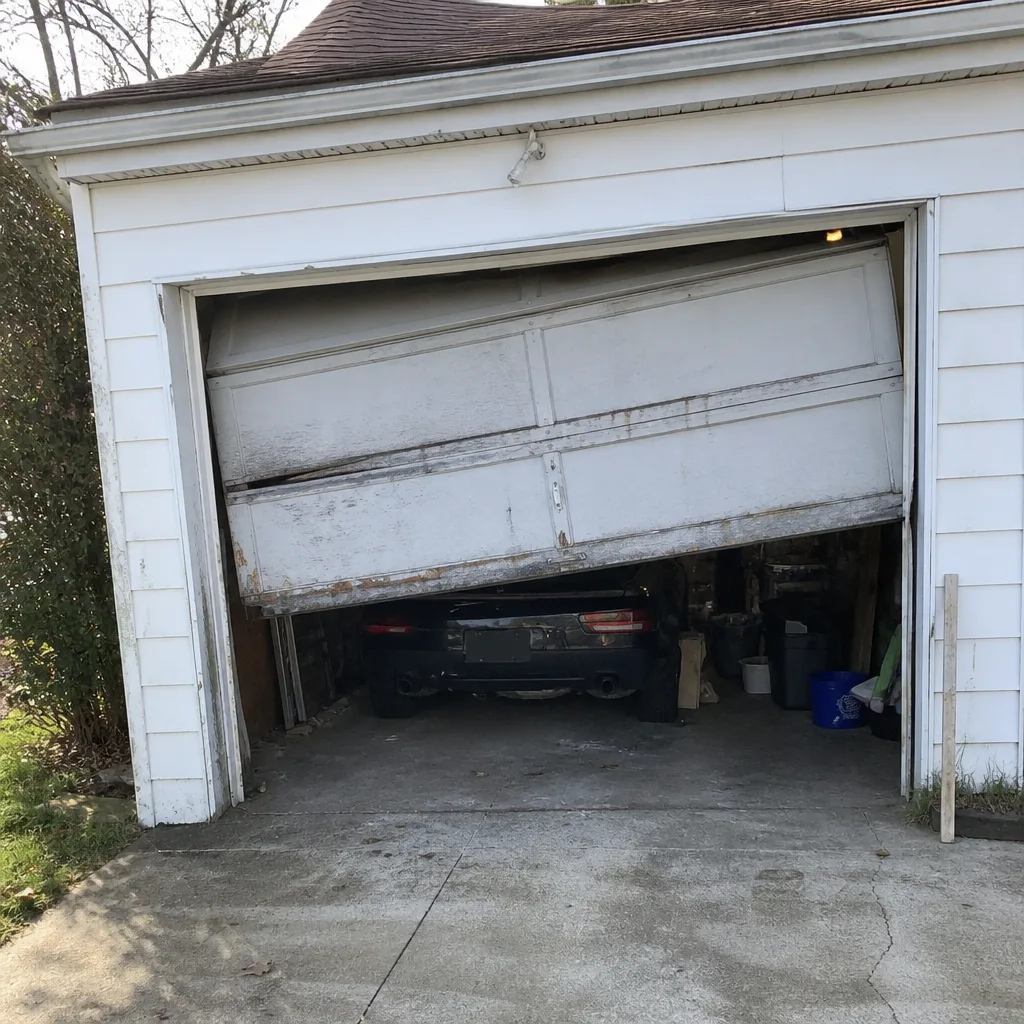 Before
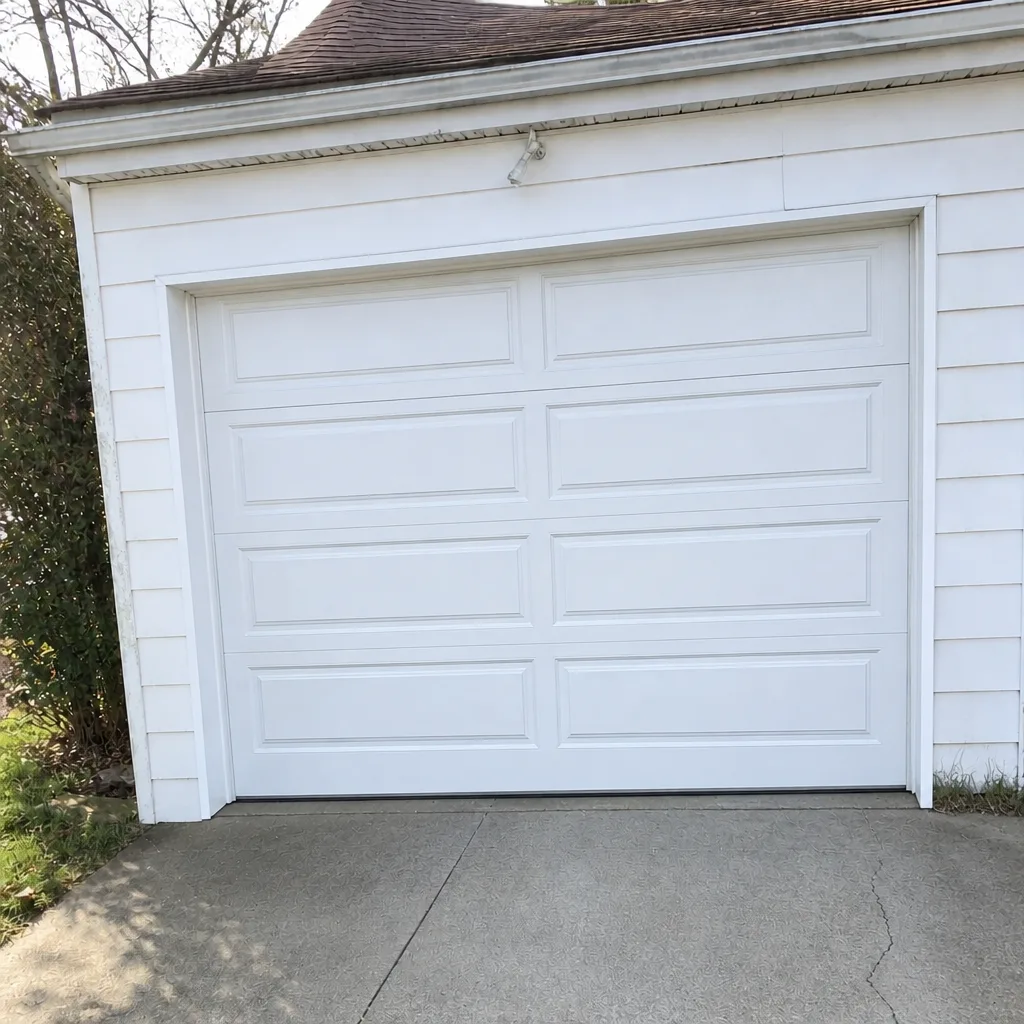 After
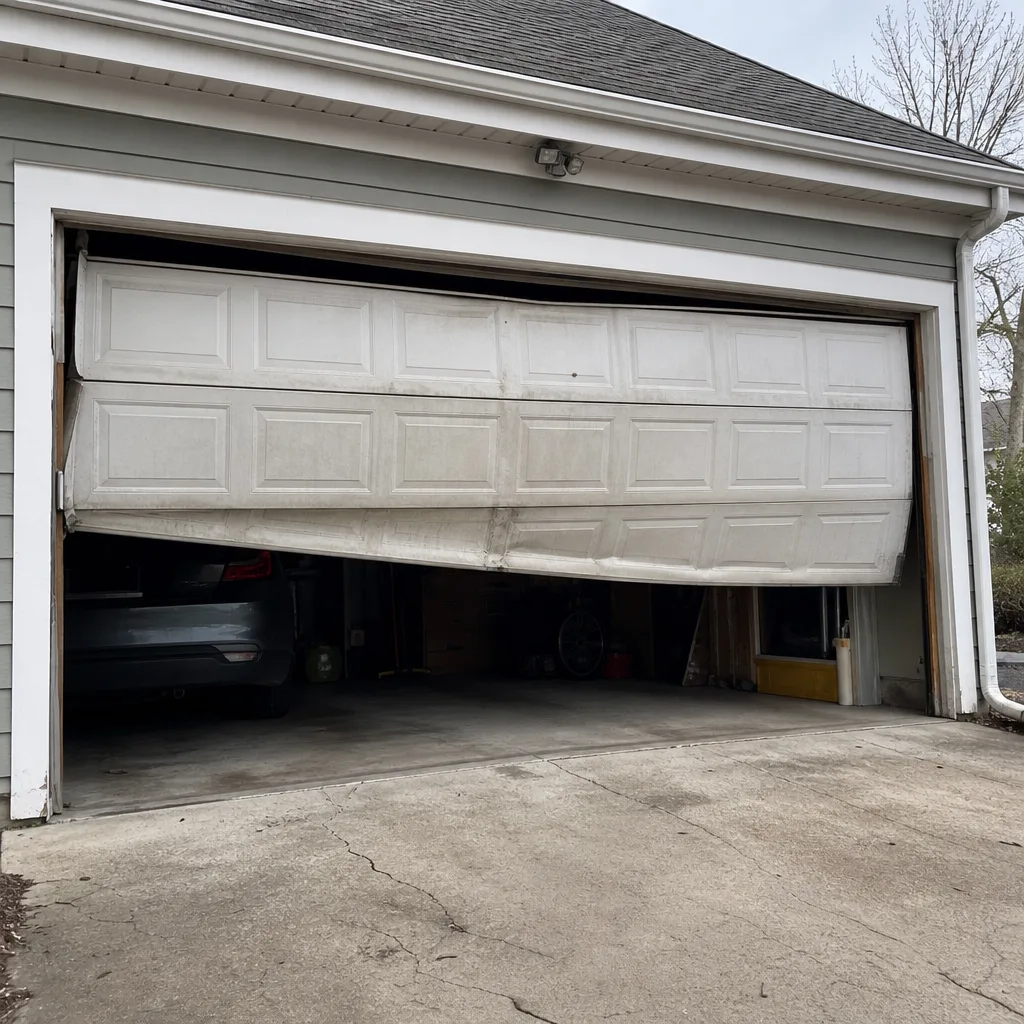 Before
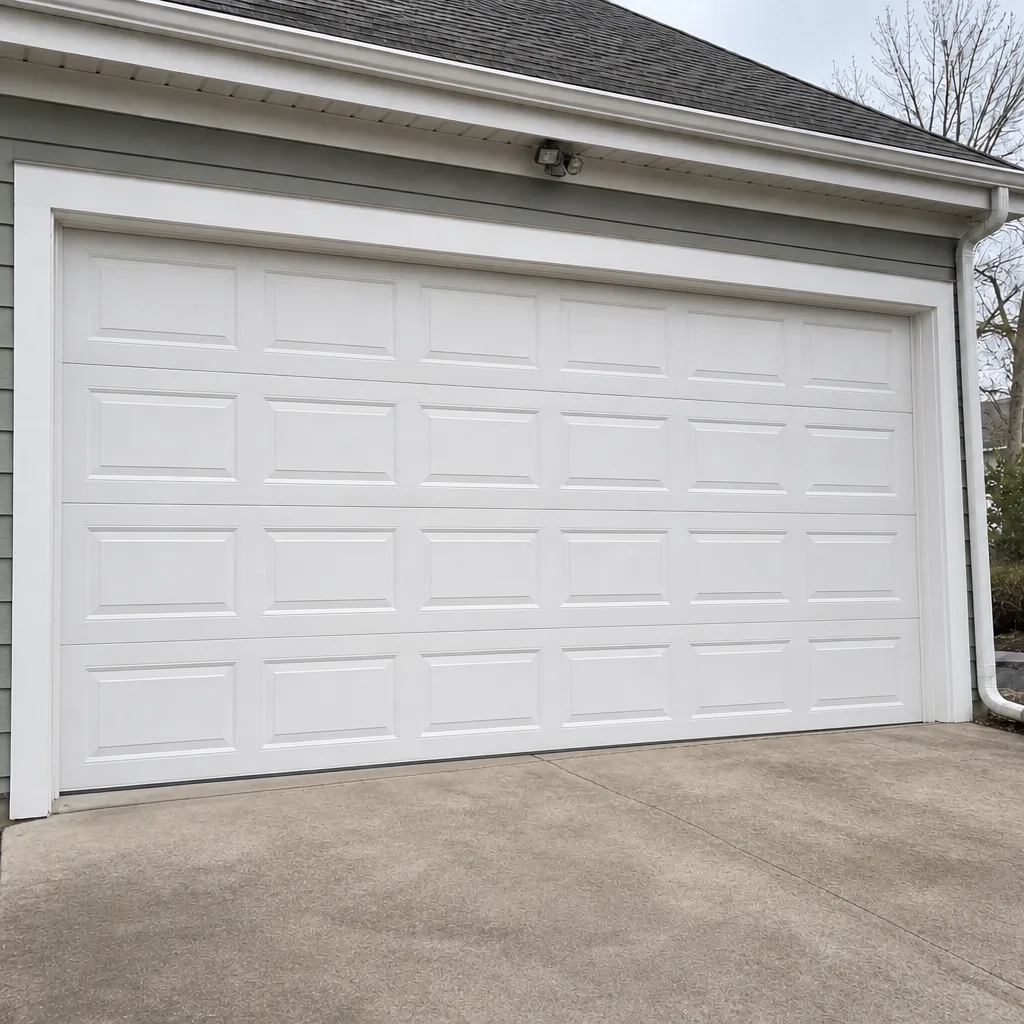 After
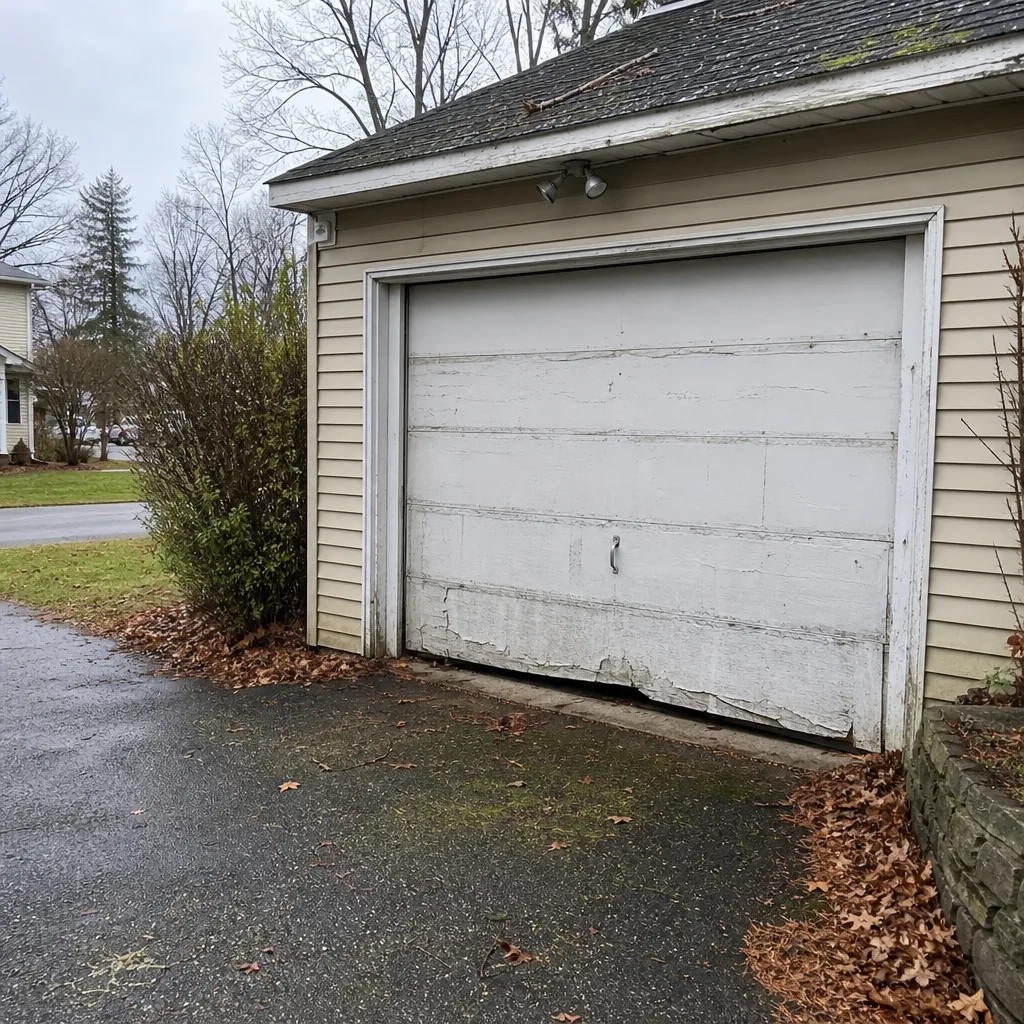 Before
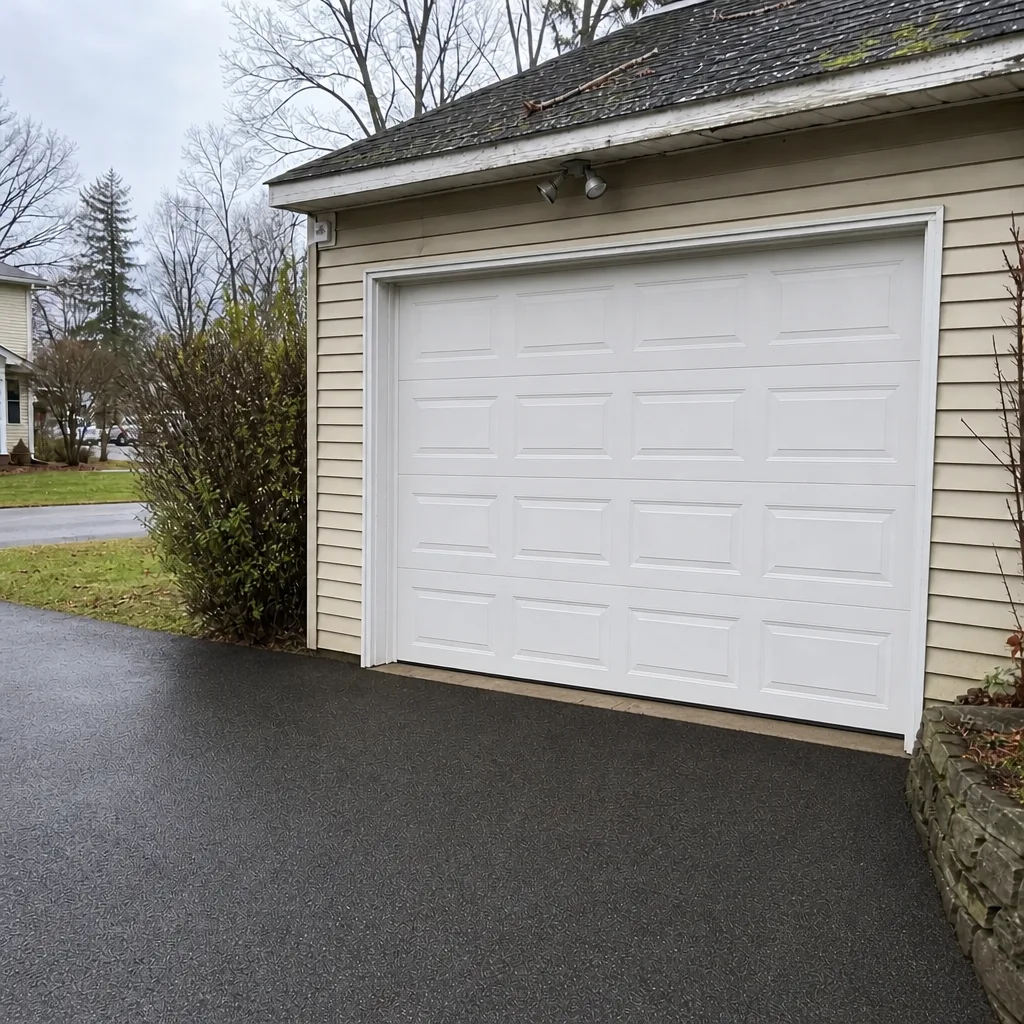 After
When to Call a Professional
Call a professional for any of the following: a spring that’s snapped or visibly bent, a cable that’s frayed, slack, or off its drum, a door that went off track, a door that reverses for no reason, a safety reverse test that fails, an opener that makes grinding noises or won’t respond, or an annual inspection that’s simply due. Also call if a door feels dramatically heavier than it used to after a cold snap. That’s a warning that a spring is close to failure.
Middletown Garage Door Repair Pros offers free estimates in Middletown Township. Our technicians have up to 13 years of experience, and we work on the door and opener brands Middletown Township homes actually use. Call (855) 425-4845 to book an inspection or a repair. Emergency garage door service is available when a broken door becomes an access or security problem, not a future appointment.
Frequently Asked Questions
Once a year for a professional inspection, plus monthly homeowner checks and lubrication. New Jersey’s freeze-thaw cycle makes annual service more important than in milder climates because tracks shift and springs change tension seasonally. Add a second professional visit if the door is older than fifteen years or gets used many times a day. Call (855) 425-4845 to schedule your annual inspection; estimates are free.
Use a white lithium grease or a garage door-specific silicone lubricant on hinges and rollers, and a spring-specific lubricant on the torsion spring. Never use WD-40, and never lubricate the tracks. A light monthly application works better than one heavy annual coat, particularly as temperatures drop into winter. If you’re unsure what’s already on the door, wipe the components clean first. Call (855) 425-4845 with questions about your specific door.
No. Never. Torsion springs hold enough stored energy to cause serious injury, and seasonal adjustment is exactly the kind of small tweak that seems safe and isn’t. If the door feels dramatically heavier after a cold snap, stop using it and call a professional. Call (855) 425-4845 and we’ll have a trained technician assess it.
Rollers need replacement when they show flat spots, cracks, rusted cores, or wobble. Cables need replacement the moment you see fraying, broken wires, rust streaks, or slack. You can see all four without touching tension-bearing parts. If you spot any, don’t attempt the replacement yourself. Call (855) 425-4845 for a professional inspection and quote.
Yes, in both cases. Manufacturers often honor warranty coverage only when proper maintenance is documented, and buyers or inspectors will treat a clean maintenance log as evidence a door was cared for. Save every professional invoice, note every homeowner lubrication and seal replacement, and record any parts replaced with dates. Call (855) 425-4845 to start a maintenance record with a professional inspection.
Service calls and inspections are quoted per job. We give a written price before any work starts, and estimates are free. Typical maintenance visits involve lubrication, safety reverse testing, spring and cable inspection, and opener force calibration. If a repair is needed, we quote it separately before starting. Call (855) 425-4845 for your free estimate.
The Bottom Line
The three-tier system works because it keeps homeowners safely at the top tier and lets professionals handle the bottom. Monthly visuals and lubrication catch most developing problems early. An annual professional inspection catches the parts you can’t see or shouldn’t touch. The never-DIY list keeps you alive. Middletown Township’s seasonal swings demand a real maintenance rhythm: spring roller check, fall lubrication, annual inspection, and a logged record you can hand to a warranty department or a buyer. Done consistently, maintenance turns an emergency-prone door into a quiet, reliable one that just works. Call (855) 425-4845 for a free estimate.
Written by the team at Middletown Garage Door Repair Pros.